



 Verified by shop


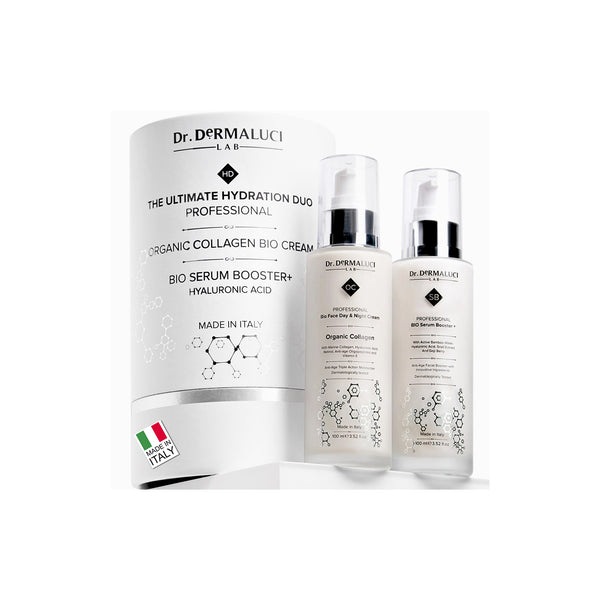


Sun Damage: Can You Reverse It? What Science Actually Says

Part of our pillar
This article belongs to our pillar on Complete Guide to Skin Aging - the foundational framework for understanding what slows visible ageing and what doesn't.
The honest answer to "can I reverse sun damage?" is partially yes and partially no. Some kinds of sun damage respond well to topical and procedural intervention. Other kinds - particularly deep structural damage and DNA-level changes - are largely beyond what skincare can address. The skill is knowing which is which, what realistically improves, and what to focus on for the best outcome.
This article walks through what UV actually does to skin over years and decades, which forms of damage respond to which interventions, what topical treatments have evidence behind them, what professional procedures genuinely help, and how much improvement is realistic to expect.
What UV actually does to skin
UV damage is cumulative and layered. The visible signs of "sun-damaged skin" come from several overlapping mechanisms:
- Collagen and elastin breakdown - UVA penetrates the dermis and activates enzymes that degrade structural proteins
- DNA damage in skin cells - UVB directly damages cellular DNA, which the body repairs imperfectly over time
- Melanocyte dysregulation - UV damages the pigment-producing cells, leading to uneven tone and persistent spots
- Microvascular damage - broken capillaries, persistent redness, telangiectasia
- Glycation acceleration - UV-induced oxidative stress drives faster glycation
- Inflammation cascade - chronic low-grade inflammation that compounds with every UV exposure
- Barrier compromise - repeated UV thins the stratum corneum over years
- Increased skin cancer risk - cumulative DNA damage raises the long-term cancer probability
Most of these are happening simultaneously in anyone who has spent meaningful time outdoors over decades. The skill of "reversing sun damage" is really the skill of addressing several of these processes at once.
What can be substantially reversed
- Hyperpigmentation - sun spots, freckling, post-inflammatory pigmentation respond well to vitamin C, niacinamide, retinoids, and professional treatments over 3-12 months
- Surface texture roughness - retinoids, AHAs, and microdermabrasion improve this within weeks to months
- Fine surface lines from dehydration and barrier compromise - hydration support and barrier repair improve these substantially
- Dullness and uneven tone - antioxidants, gentle exfoliation, and microcirculation support address these
- Some early collagen breakdown - retinoids and peptides drive new collagen production that partially offsets old loss
- Sebum and pore changes from UV - niacinamide and retinoids over months
- Mild barrier dysfunction - ceramide-rich routines rebuild this
What cannot be reversed (only prevented from worsening)
- Deep structural collagen loss - the deepest, etched-in wrinkles require professional intervention (laser, fillers) for meaningful change
- Severe broken capillaries - only laser or IPL substantially fades these
- DNA-level damage - the body's own DNA repair handles some of this; topical skincare does not
- Established skin cancer or precancerous lesions - medical treatment required, not skincare
- Deeply set elastin damage - solar elastosis is largely permanent
The honest framing: skincare can improve the texture, tone, pigmentation and surface quality of sun-damaged skin substantially. It cannot rebuild the deep structural architecture. Professional treatments fill some of the gap; the rest is accepted as part of the cost of past exposure.
The topical reversal protocol
For pigmentation
- Vitamin C - daily morning, derivative forms for sensitive skin, LAA for resilient skin
- Niacinamide - twice daily for melanin transfer inhibition
- Retinoids - nightly or 5 nights weekly for accelerated turnover
- Azelaic acid - 10-20% for stubborn pigmentation, particularly melasma
- Tranexamic acid - topical version helps recalcitrant pigmentation
- Alpha arbutin - gentler skin brightener, suitable for sensitive types
- SPF 30+ daily - without this, no pigmentation treatment works long-term
For texture
- Retinoids - the foundational treatment
- AHAs (glycolic, lactic) once or twice weekly
- Niacinamide for tone refinement
- Peptides for collagen support
For barrier compromise
- Ceramide-rich moisturiser
- Hyaluronic acid for hydration
- Niacinamide for barrier signalling
- Reduce all aggravators (acids, fragrances, alcohol-based products)
Professional treatments that fill the gap
- Chemical peels - surface and superficial damage, pigmentation
- Laser resurfacing - deeper texture and pigmentation correction
- IPL (intense pulsed light) - broken capillaries, brown spots, redness
- Microneedling - controlled injury that drives collagen response
- Radiofrequency / ultrasound - modest skin tightening
- Fractional laser - significant texture and structural support
- Cryotherapy - targeted removal of individual lesions
Professional treatments compound with consistent topical and lifestyle work. They are less effective when used in isolation.
Realistic timeline of improvement
- Weeks 1-4 - surface brightness improves; barrier comfort returns
- Weeks 5-12 - pigmentation begins to fade visibly; texture improves
- Months 3-6 - significant pigmentation reduction; some softening of fine lines
- Months 6-12 - substantial cumulative improvement in tone, texture and clarity
- Beyond 12 months - maintenance phase; professional treatments may add additional improvement
Sun damage that took 30 years to accumulate cannot be reversed in 8 weeks. The honest expectation is gradual, cumulative improvement over months and years.
Frequently asked questions
Can my skin ever look "like it did" before sun damage?
Partially. Surface quality, tone, and texture can return close to pre-damage condition. Deep structural changes (etched lines, severe elastosis) require professional intervention for meaningful change.
How much can vitamin C fade dark spots?
Substantially. Most pigmentation responds to consistent vitamin C use over 8-12 weeks, with deeper or older spots needing 3-6 months.
Is retinol enough to reverse sun damage?
It is the single most effective topical for surface and intermediate damage. Combined with vitamin C, niacinamide, and SPF, retinol does as much as topical skincare can.
When should I consider professional treatments?
When topical results plateau and visible concerns remain - usually after 6-12 months of consistent topical work.
Does sun damage get worse if I don't address it?
Yes - UV damage continues to compound with ongoing exposure. SPF use stops the worsening; topical treatments improve what's already there.
Are at-home devices effective for sun damage?
Modest effect; substantially weaker than professional equivalents. Useful as maintenance; not a substitute for proper professional treatment.
How important is SPF after damage is done?
Critical. Continued UV exposure undoes the work of every other treatment. SPF is the only intervention that prevents new damage.
Is laser worth the cost?
For significant damage that hasn't responded to topical work, yes. For mild damage, topical interventions deliver most of the available benefit.
Your sun damage repair checklist
- Daily SPF 30+ without exception - non-negotiable for any reversal work
- Vitamin C serum morning, for pigmentation and antioxidant defence
- Niacinamide twice daily, for pigmentation and barrier
- Retinol nightly or 5 nights weekly, for turnover and structural support
- Consider azelaic acid or alpha arbutin for stubborn pigmentation
- Ceramide-rich moisturiser for barrier compromise
- One gentle exfoliation weekly
- Reduce ongoing UV exposure aggressively - hats, sunglasses, shade
- Address lifestyle drivers: stop smoking, limit alcohol, manage stress
- Give topical routine 6-12 months before considering professional treatments
- Consider professional treatments (chemical peel, laser, IPL) for stubborn damage
- Accept what cannot be reversed; protect what remains
Related reading


