



 Verified by shop


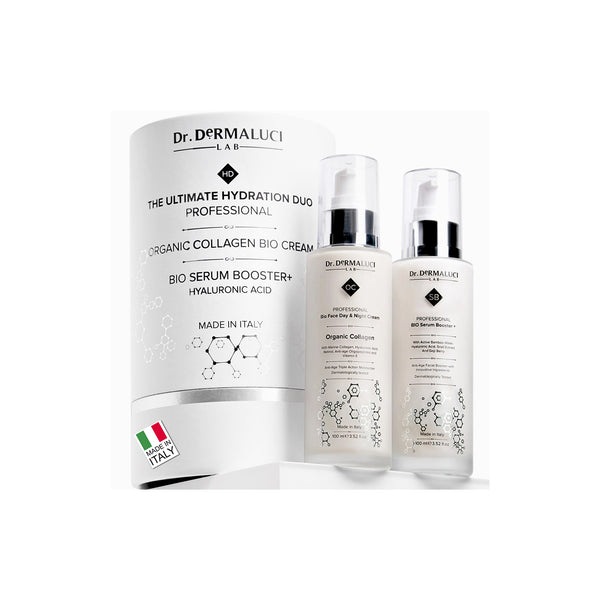


What Made in Italy Actually Means in Skincare

"Made in Italy" appears on more skincare products every year. The label is short, the meaning is ambiguous, and the regulatory protection around it is weaker than most people think. A brand that bottles in Italy can use the mark. A brand that formulates in Italy can use the mark. A brand that designs the packaging in Italy and produces the rest in a third country sometimes uses the mark too, depending on which regulatory interpretation they lean on.
This article is part of our Holistic Skin Health pillar cluster. For the foundational framework, see our complete guide to holistic skin health.
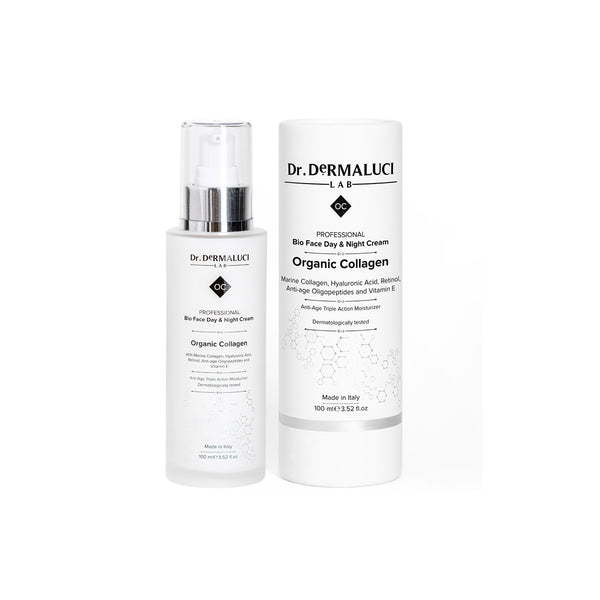
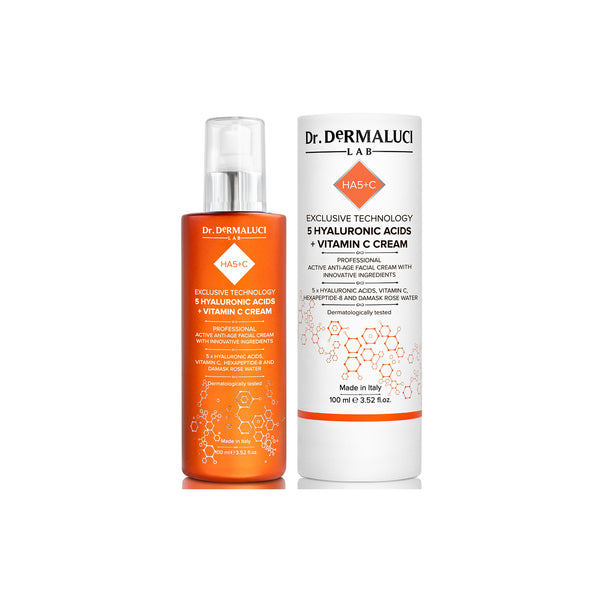
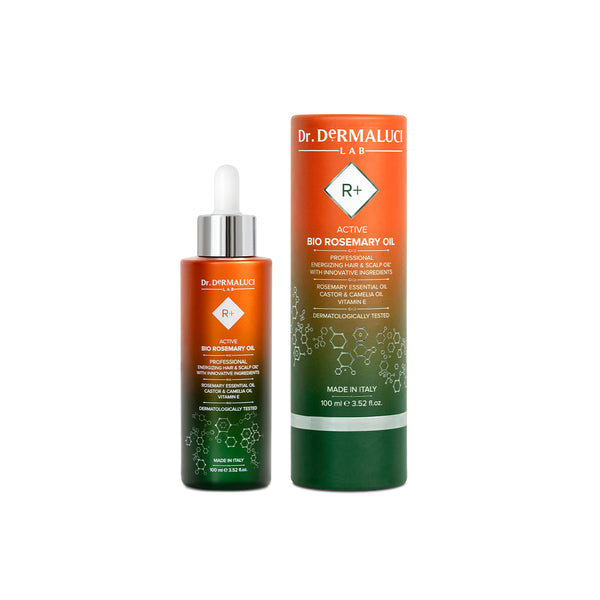
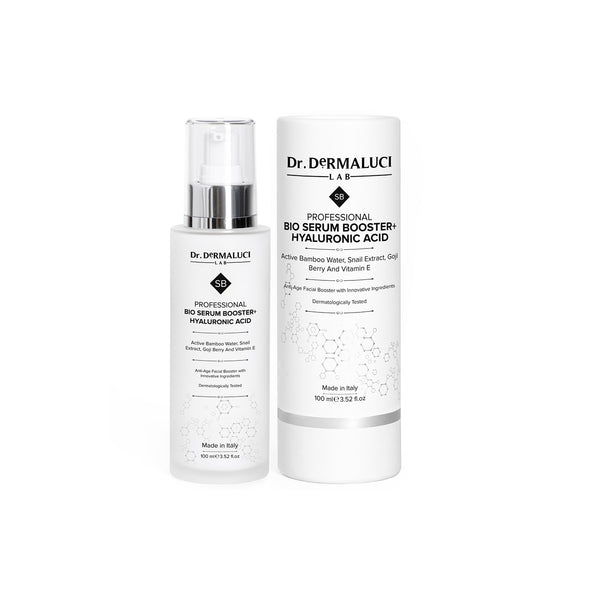
For us, "Made in Italy" means something specific: the same Italian lab since 2022, formulated by Italian cosmetic scientists, audited under Italian organic standards, and shipped from Italian facilities. This article explains what the label actually means, what it doesn't mean, why Italian production matters in skincare specifically, and how to verify any Made in Italy claim before you trust it.
What "Made in Italy" Legally Means
Italian law (Codice del Consumo + decreto-legge 135/2009) defines "Made in Italy" as a product whose substantial transformation occurred in Italy. For cosmetics, "substantial transformation" generally requires that the formulation, mixing, and final processing happen on Italian soil. Packaging alone does not qualify.
EU regulation runs alongside Italian law and is sometimes more permissive. A product that completed final assembly in Italy can carry the Italian origin mark under EU rules even if formulation happened elsewhere. This gap is where ambiguous claims live, and why a careful buyer needs to look beyond the label.
Italian Skincare's Dermocosmetic Tradition
Italian skincare has a long heritage of dermocosmetic formulation — an approach that sits between pharmaceutical-grade actives and conventional cosmetic luxury. The tradition is rooted in three things:
- Italian dermatology has historically been more interventionist on sensitive skin than most national medical traditions, generating decades of clinical literature on tolerance, irritation thresholds and barrier-supportive formulation
- Italian cosmetic labs have always operated under EU pharmaceutical-adjacent standards, with stricter raw material traceability than non-EU producers
- The Italian aesthetics market is unusually mature: smaller brands have been able to compete with global giants for decades, which keeps formulation standards genuinely competitive rather than dominated by marketing alone
This is why "Italian skincare" reads as a quality signal in the international market — the heritage is real, not invented. The risk is brands that lean on the heritage without participating in the production system that created it.
Our Italian Lab — Same Partner Since 2022
Dr. Dermaluci Lab has worked with the same Italian formulation lab since the brand launched in 2022. The relationship matters more than the location: continuity with one production partner means consistent quality control, traceable ingredient sourcing, batch documentation, and the ability to influence formulation decisions over time. A brand that switches labs every two years cannot maintain the same standards even with the same INCI list.
Specifically, our lab partnership covers:
- Formulation development with Italian cosmetic scientists familiar with our sensitive-skin philosophy
- Raw material sourcing from EU-certified suppliers, with documented chain of custody for organic-certified ingredients
- Production under GMP (Good Manufacturing Practice) cosmetic standards as defined by EU Regulation 1223/2009
- Batch testing for nickel content, microbial load and active concentration before any product ships
- Annual re-audit by AIAB for the certified-organic skincare line (covered in our AIAB certification guide)
None of this is unique to us — many serious Italian skincare brands operate the same way. But it is also not the norm for every brand that uses the Made in Italy label. The label without the operational details is marketing; with them, it is supply chain.
Why Italian Production Matters for Skincare Specifically
1. Regulatory Framework
EU cosmetic regulation (Regulation 1223/2009) is among the strictest in the world. Over 1,600 ingredients are banned outright. Every product sold in the EU must have a Cosmetic Product Safety Report (CPSR) signed by a qualified safety assessor before launch. This applies whether the product is made in Italy, Germany, France or imported — but Italian production keeps the entire regulatory chain on EU soil, which simplifies traceability and dispute resolution.
2. Raw Material Sourcing
Italian agriculture has a long tradition of organic farming, and Italy is one of the largest organic producers in Europe. For skincare brands using plant-derived actives (botanical extracts, vegetable oils, certified-organic ingredients), sourcing within Italy or via established Italian importers shortens the supply chain and reduces the risk of substituted or contaminated materials.
3. Dermocosmetic Expertise
Italian cosmetic chemistry programs at universities like Pavia, Milan and Naples produce formulators who are specifically trained on sensitive-skin tolerance, dermatological compatibility and barrier-supportive design. This is the same expertise that drives the Italian pharmacy-skincare tradition. It is why so many globally-recognised dermocosmetic lines have Italian production roots, even when the brand identity is built elsewhere.
4. AIAB and Italian Organic Standards
If a brand carries organic certification through an Italian body like AIAB, Italian production is a natural fit: AIAB's auditors operate in Italy, speak the same regulatory language as the lab, and can do site visits without international logistics. Brands that source AIAB certification but produce elsewhere face longer audit cycles and more scope for documentation gaps.
What "Made in Italy" Does NOT Guarantee
- ✓ It does not guarantee organic ingredients (organic requires separate certification, see our AIAB guide)
- ✓ It does not guarantee clean ingredients (synthetic ingredients are allowed and common in Italian-made cosmetics)
- ✓ It does not guarantee superior clinical efficacy (formulation quality varies brand to brand regardless of country)
- ✓ It does not guarantee sustainability (production location says nothing about packaging or carbon footprint)
- ✓ It does not guarantee cruelty-free (EU cosmetics are cruelty-free by regulation, but that is an EU-wide rule, not an Italian one)
- ✓ It does not guarantee small-batch or artisanal production (large-scale industrial cosmetic manufacturing happens in Italy too)
How "Made in Italy" Gets Misused
Three common patterns to watch for:
1. "Designed in Italy" or "Italian-Inspired"
These phrases sit deliberately close to "Made in Italy" but mean something different. A product that is conceptualised, branded or even formulated in Italy but manufactured elsewhere may carry these claims. They are not the same as Italian production.
2. Bottling-Only Origin
Some brands import bulk formulation from outside Italy, bottle it in an Italian facility, and claim Italian origin. Technically borderline under Italian law; ambiguous under EU interpretation. The giveaway is usually a brand that lists no Italian formulation partner or refuses to name its lab.
3. Italian Branding, Multi-Country Production
A brand with an Italian-sounding name, Italian-style packaging design, and a Made in Italy mark on selected SKUs while others are produced elsewhere. Look at the small print on the back of pack — the country of manufacture is legally required there and is sometimes different from the marketing impression.
Quick Reference: How to Verify Made in Italy Claims
- ✓ Find the small-print country of origin on the back of pack (legally required, sometimes differs from front-of-pack impression)
- ✓ Look for the brand's named Italian lab or production partner on the website or packaging
- ✓ Check if the brand carries Italian-issued certifications (AIAB, Bio Eco Cosmesi) — these require Italian audit
- ✓ Verify the responsible person address (legally required on EU cosmetics) is in Italy
- ✓ Look for batch numbers and CPSR documentation traceable to an Italian facility
- ✓ Check the brand discloses raw material sourcing — opacity here usually means imports or unclear chain of custody
- ✓ Read the brand's stance on "Designed in Italy" vs "Made in Italy" claims — serious brands explain the difference
Frequently Asked Questions
What does "Made in Italy" legally mean on a skincare product?
Under Italian law, it means substantial transformation (formulation, mixing, final processing) happened in Italy. Under EU law, final assembly in Italy can also qualify even if formulation happened elsewhere. This regulatory gap is where ambiguous claims sit.
Are all Italian-made cosmetics organic?
No. "Made in Italy" describes production location, not ingredient sourcing or organic content. Organic certification is separate and requires an audit by a recognised body like AIAB, ECOCERT or COSMOS — covered in our AIAB certification guide.
Is Italian-made skincare safer for sensitive skin?
Not automatically. But Italian dermocosmetic tradition has strong sensitive-skin formulation expertise, and EU regulatory framework (which all Italian production sits within) is among the world's strictest on cosmetic safety. The combination tends to produce more tolerant formulas, though it depends on the specific brand and formula.
How do I tell if a brand really produces in Italy?
Look at the back-of-pack country of manufacture (legally required). Look for a named Italian lab or production partner disclosed on the website. Check for Italian-issued certifications. A brand that produces in Italy will usually be open about its facility and partners; opacity is a warning sign.
Does "Made in Italy" cost more?
Italian production carries higher labour and regulatory costs than non-EU manufacturing, so genuinely Italian-made cosmetics tend to sit in the mid to premium price range. A product claiming Made in Italy at unusually low prices warrants extra scrutiny — the economics rarely add up unless something is being substituted.
What is the difference between "Made in Italy" and "Designed in Italy"?
"Made in Italy" requires Italian production. "Designed in Italy" only requires Italian conceptualisation, branding or formulation design. The product itself may be manufactured anywhere. These phrases look similar on packaging but mean very different things.
Why does Dr. Dermaluci Lab keep using the same Italian lab?
Continuity. Same lab since 2022 means consistent quality control, deepening knowledge of our formulation philosophy, traceable ingredient sourcing across years, and the ability to influence formulation decisions over time. Switching production partners every few years undermines all of this even when the INCI list stays identical.
→ Want to understand the organic certification side of our Italian production? Read What AIAB Certification Means for Your Skincare.
→ Want to read more about our overall clean beauty philosophy? Read Is Dr. Dermaluci Lab a Clean Beauty Brand?


