



 Verified by shop


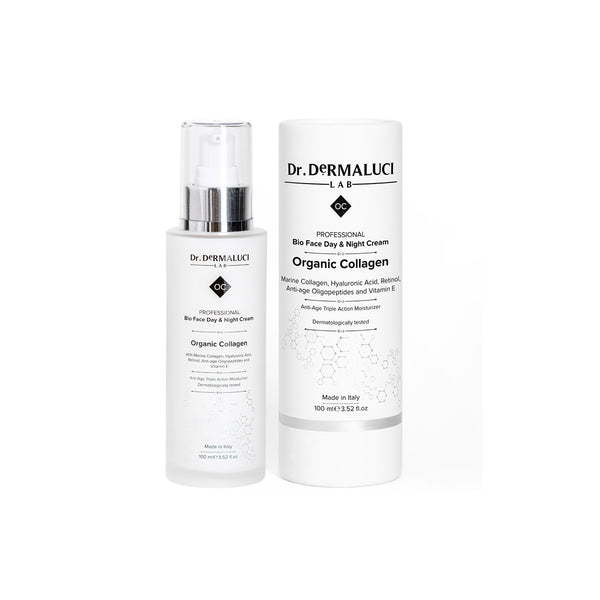
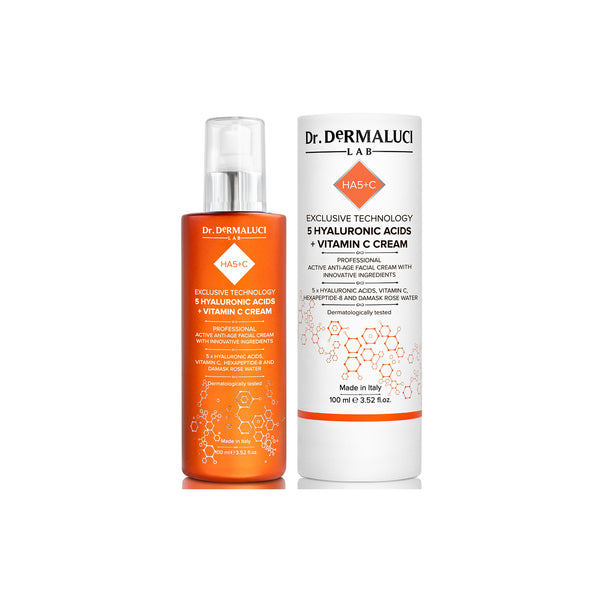
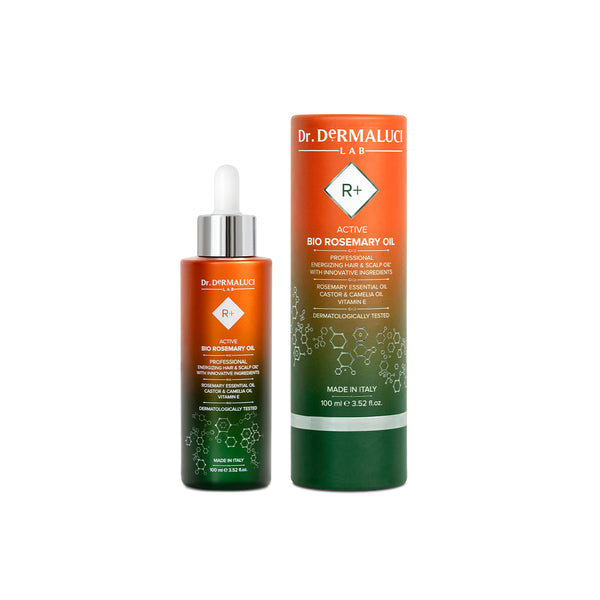
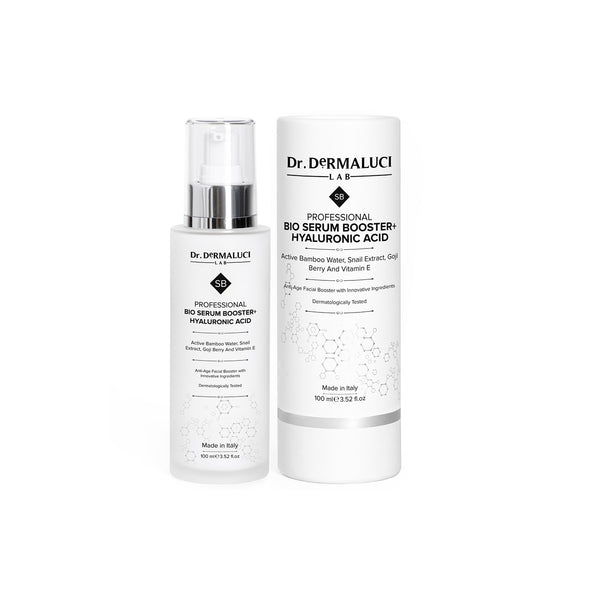


What Makes Dr. Dermaluci Lab Makeup Different from Conventional Cosmetics

Not all makeup is created with the same intention. While most conventional cosmetics are designed primarily for visual effect, a new category is emerging: makeup that is developed with the same principles as skincare.
This article is part of our Holistic Skin Health pillar cluster. For the foundational framework, see our complete guide to holistic skin health.
Dr Dermaluci Lab approaches makeup not as a separate category, but as an extension of skin health. This changes not only what goes into the formula, but how the product interacts with the skin over time.
The Difference Between Traditional Makeup and Skin-Focused Formulation
Most conventional makeup prioritises:
- coverage
- texture
- long-lasting visual effect
These goals often come before skin compatibility.
In contrast, skin-focused formulations aim to:
- respect the skin barrier
- support hydration
- reduce the risk of irritation
- maintain long-term skin balance
This difference is not always visible immediately, but it becomes clear with consistent use.
Why Ingredient Selection Matters More Than Marketing Claims
Many cosmetic products are marketed as “clean” or “natural,” but these terms are not always linked to formulation quality.
What matters more is:
- the function of each ingredient
- how ingredients interact with the skin
- the overall balance of the formula
Dr Dermaluci Lab formulations are developed with a focus on:
- avoiding unnecessary fillers
- reducing exposure to potentially irritating substances
- including functional ingredients with a clear role
This is what defines a product that is not only cosmetic, but also skin-compatible.
Skincare-Grade Actives in Makeup: Why It Changes Everything
One of the key differences lies in the use of ingredients typically found in skincare.
These may include:
- peptides that support skin firmness
- antioxidants that protect against external stress
- hydrating agents that maintain moisture balance
When these ingredients are integrated into makeup, the product no longer only covers the skin — it contributes to its condition.
This reflects the same logic explained in: Why Clean Makeup Should Also Be Skincare.
Avoiding Common Triggers Found in Conventional Cosmetics
Many traditional formulas include components that may not be suitable for sensitive or reactive skin.
These can include:
- heavy occlusive agents
- low-quality fillers
- ingredients that disrupt the skin barrier
Repeated exposure to such formulations may contribute to:
- increased sensitivity
- uneven skin texture
- difficulty maintaining hydration
This is particularly relevant for skin that already shows signs of reactivity.
For more on how skin becomes reactive over time, see: Skin Memory: Why Past Damage Shapes Present Reactions.
Designed for Skin That Needs More Than Coverage
For individuals with sensitive, reactive, or easily irritated skin, makeup is often a compromise.
The challenge is not only how the product looks, but how it feels and behaves throughout the day.
A formulation designed with skin compatibility in mind aims to:
- minimise discomfort
- reduce visible stress responses
- maintain a stable skin environment
This allows makeup to be worn consistently without negatively affecting the skin.
Why This Approach Matters More Over Time
The difference between conventional and skin-focused makeup may not always be immediate.
However, over time, the impact becomes more noticeable:
- skin remains more balanced
- fewer reactions occur
- overall texture improves
- routines become easier to maintain
This long-term perspective is what defines a more advanced approach to cosmetics.
(FAQ )FREQUENTLY ASKED QUESTIONS
What makes Dr Dermaluci Lab makeup different
It is formulated using skincare principles, focusing on skin compatibility, hydration and long-term tolerance rather than only visual effect.
Does makeup really affect skin health
Yes, repeated use of certain formulations can influence hydration, barrier function and skin sensitivity.
What are skincare-grade ingredients in makeup
These are ingredients such as peptides, antioxidants and hydrating agents that support the skin beyond cosmetic appearance.
Is this type of makeup better for sensitive skin
In many cases yes, as it is designed to reduce irritation and support the skin barrier.
Why is formulation more important than marketing claims
Because real skin compatibility depends on ingredient function and balance, not just labels such as “natural” or “clean.”
CHECKLIST — HOW TO IDENTIFY SKIN-FRIENDLY MAKEUP
Look for formulas that support hydration
Avoid heavy or overly occlusive textures
Choose products with functional ingredients
Prioritise long-term tolerance over instant effect
Simplify your routine when skin is reactive
Observe how skin behaves with consistent use
Next in This Series
Understanding how makeup interacts with the skin is essential for building better routines.
Next in this series: Why Conventional Makeup Can Trigger Skin Problems and How to Avoid It.
→ Want to learn more? Read Sensitive Skin: Causes, Triggers and How to Restore Balance
Quick Reference: How to Spot Genuine Skincare-Grade Makeup
- ✓ Active ingredients (peptides, hyaluronic acid, botanicals) listed in middle of INCI, not at the very bottom
- ✓ No talc, bismuth oxychloride, parabens, silicones, heavy mineral fillers
- ✓ Tolerance-tested on sensitive or reactive skin panels
- ✓ Italian or EU manufacturer with traceable lab documentation
- ✓ Test on jawline (not back of hand) for both shade match and skin response
- ✓ Avoid "24-hour wear" claims that rely on heavy silicone bases
- ✓ Look for matching skincare line from the same brand (formulation continuity)
Frequently Asked Questions
How is skincare-based makeup different from regular makeup?
Skincare-based makeup is formulated using the same ingredient standards as a serum or moisturiser: barrier support, hydration, no irritant fillers. Conventional makeup is built around coverage and finish first, with skin tolerance treated as a secondary concern. The functional ingredients and the testing standards are different.
Will the coverage be comparable to regular makeup?
Yes, with a softer finish. Our Liquid Contour Essentials cover unevenness and add dimension while letting the skin look like skin, not like a mask. If you need full opaque coverage for an event, layer with concealer at the target areas only.
Can I wear it over my skincare?
Yes. Skincare-based makeup is designed to layer on top of an active skincare routine. Apply your serum, moisturiser and (in daytime) SPF first, let each layer absorb for one minute, then apply the makeup.
Is it suitable for very dry or very oily skin?
Yes. The formula is balanced enough for both extremes. Very dry skin can layer a hydrating mist before application; very oily skin can set with a light translucent powder at the t-zone if needed.
How long does it last on the skin?
A full day of normal wear (six to eight hours) without touch-ups. Performance is comparable to mid-tier conventional makeup but with better wear in heat and humidity because the formula does not contain pore-clogging waxes.
Is it AIAB-certified like the skincare?
The Liquid Contour Essentials line uses the same clean formulation philosophy but is not currently AIAB-certified. AIAB certification is line-specific and our makeup line is newer (launched April 2026). The certification process for cosmetic colour formulations is more complex than for skincare actives.
→ Want to read more about why clean makeup matters? Read Why Clean Makeup Should Also Be Skincare.
Read more


