



 Verified by shop


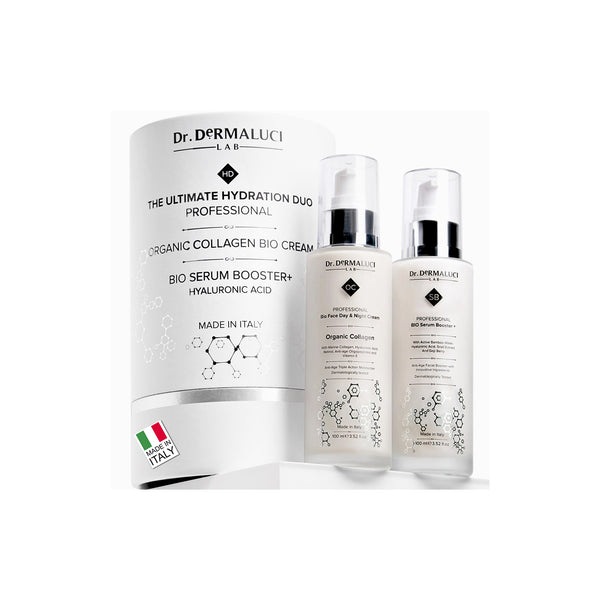


Niacinamide Sensitivity: When a Good Ingredient Becomes Too Much

Niacinamide is one of the most recommended skincare ingredients for a reason. It is known for supporting the skin barrier, helping with uneven tone, and calming visible signs of stress. But sometimes a product that is supposed to feel gentle can suddenly cause stinging, redness, flushing, or small irritation bumps. That does not always mean niacinamide is a bad ingredient for your skin. More often, it means the concentration is too high, the barrier is already compromised, or the routine contains too many active products at once. In other words, the problem is often not niacinamide itself, but how and when it is being used. With the right approach, many people can keep the benefits without overwhelming their skin.
This article is part of our Niacinamide pillar cluster. Foundational read: our niacinamide cornerstone. Related: sensitive skin causes triggers.
Why Niacinamide Can Start Feeling Irritating
Niacinamide, also called nicotinamide, is a form of vitamin B3 widely used in skincare. It is generally considered well tolerated, especially compared with niacin, also known as nicotinic acid, which is associated with classic flushing.
Still, even a well-regarded ingredient can feel too strong in the wrong context.
Niacinamide and Niacin Are Not the Same
One common source of confusion is the difference between niacinamide and niacin.
Niacin is linked to vasodilation and visible flushing, particularly in oral forms and higher doses. Niacinamide does not share that same profile, which is why it is often preferred in cosmetic formulations.
So why do some people still experience redness with niacinamide products? Usually because formulation, barrier status, and layering matter.
The Most Common Reasons Niacinamide Feels Too Strong
A Compromised Skin Barrier
If your barrier is already disrupted, even gentle ingredients can sting. Skin is more likely to react when there is increased water loss, micro-inflammation, or visible sensitivity.
This often happens after:
- over-exfoliation
- starting retinoids too quickly
- sun overexposure
- cold weather and indoor heating
- post-procedure recovery
A Concentration That Exceeds Your Tolerance
Some people do very well with higher percentages, while others do not. If your skin is reactive, a strong niacinamide serum may feel hot, itchy, or irritating even if the ingredient itself is generally beneficial.
Starting lower and building slowly is often more effective than going straight to a high-strength formula.
pH and Formulation Stress
Redness is not always caused by niacinamide alone. The way a product is formulated can influence how comfortable it feels. In sensitive skin, combining niacinamide with multiple low-pH or irritating products may increase the chance of flush-like redness or irritation.
Too Many Actives at Once
Niacinamide usually pairs well with many ingredients, but skin can still become overwhelmed by the total irritation load.
This often happens when people combine:
- exfoliating acids
- retinoids
- benzoyl peroxide
- fragranced products
- multiple new leave-on treatments
The result may look like acne, but it often behaves more like irritation.
Irritation or allergy?
Not every reaction means an allergy. Sometimes the issue is an irritant response or sensitivity to other parts of the formula, such as preservatives, fragrance, or solvents.
If symptoms are severe, persistent, or include swelling or hives, the product should be stopped and the reaction assessed by a clinician.
Why Niacinamide Is Still Worth Using
Niacinamide remains a valuable skincare ingredient because it can support several important skin functions.
Benefits of Niacinamide
Barrier Support
Niacinamide is often used to support the skin barrier and improve the appearance of dryness and sensitivity.
Calming Visible Redness
It is widely used in routines for stressed or reactive skin because of its anti-inflammatory profile.
Uneven Tone Support
Niacinamide is also commonly included in products targeting post-inflammatory marks and uneven-looking tone.
The goal is not to fear the ingredient. It is to use it in a way your skin can tolerate.
How to Reintroduce Niacinamide Without Overloading Skin
A barrier-first strategy is usually the best place to start.
Reset the Routine First
If your skin is actively reacting, simplify for a few days.
Focus on:
- gentle cleansing
- a basic moisturizer
- daily SPF
- pausing exfoliating acids and retinoids temporarily
Reintroduce Slowly
Start niacinamide every other night instead of daily. Give the skin time to adjust before increasing frequency.
Use the Sandwich Method if needed.
If your skin is easily irritated, applying moisturizer before and after niacinamide may improve comfort.
Be Selective With Pairings
Avoid stacking too many strong actives in the same routine early on. A simpler routine makes it easier to identify what your skin actually tolerates.
Purging vs Irritation
Niacinamide does not usually cause the kind of purge associated with retinoids or exfoliants. If you notice burning, tightness, diffuse redness, or bumps that appear with discomfort, irritation is the more likely explanation.
Niacinamide is a good ingredient, but even good ingredients can become too much when the barrier is stressed, the concentration is too high, or the routine is overloaded. That does not automatically mean you need to avoid it forever. In many cases, success depends on using it with more restraint: lower concentration, slower introduction, and less layering. The barrier should lead the strategy. When skin is stable, niacinamide is far more likely to deliver benefits without triggering unnecessary sensitivity.
Related Reading
For a complementary article on its benefits, read:
Why Niacinamide Deserves a Place in Every Routine
FAQs
Q: Is niacinamide usually safe for sensitive skin?
A: Generally, yes. It is widely considered well tolerated, but irritation can still happen depending on barrier condition, formulation, and concentration.
Q: Can niacinamide cause flushing?
A: Classic niacin flush is linked to niacin, not niacinamide. However, some people may still experience redness or irritation depending on how a niacinamide product is formulated and layered.
Q: What concentration should beginners start with?
A: Beginners or reactive skin types often do better starting with a lower-strength formula and increasing gradually as tolerance improves.
Q: Can niacinamide help with uneven tone?
A: Yes. Niacinamide is commonly used to support a more even-looking complexion and reduce the appearance of discoloration over time.
About Dr. Dermaluci Lab
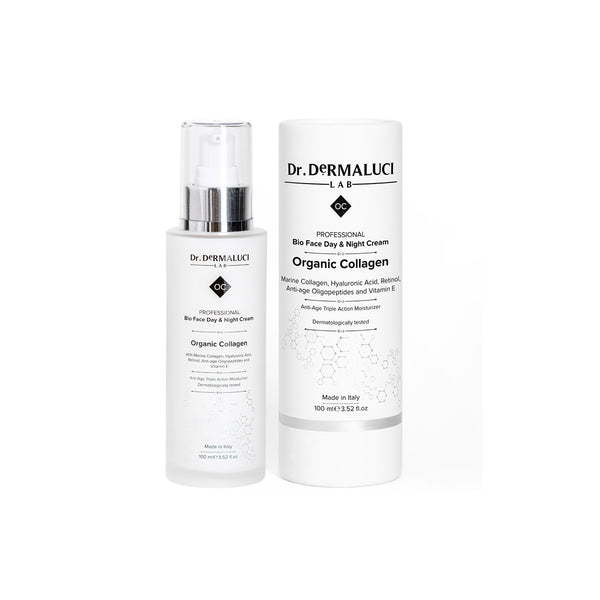
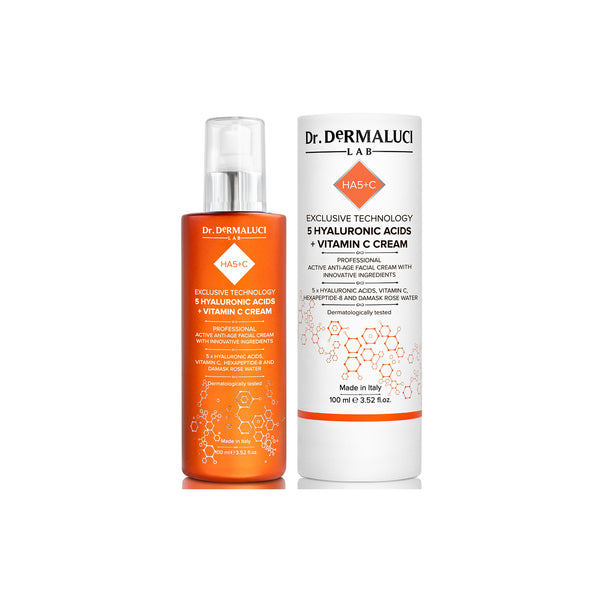
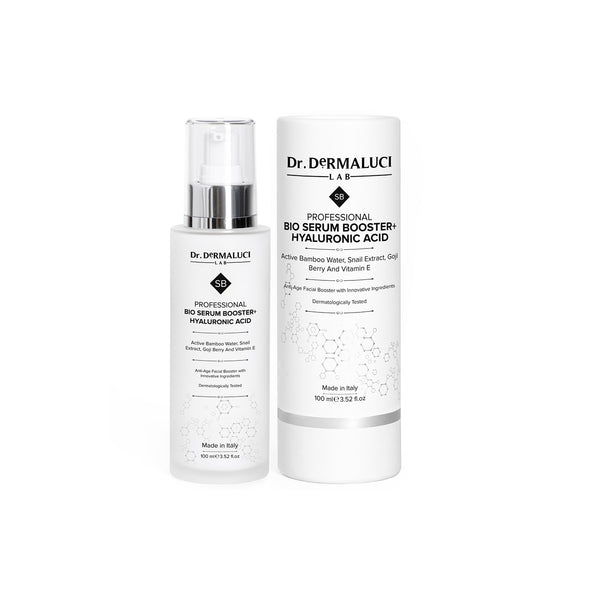
Dr. Dermaluci Lab is a skincare research and formulation brand focused on high-performance organic cosmetic formulations developed and produced in Italy. The brand focuses on clinically studied active ingredients such as retinol, peptides, niacinamide, and vitamin C, combined with certified organic ingredients suitable even for sensitive skin.
Quick action checklist
- ✓ Start with low concentration (2-5%) niacinamide if your skin is reactive
- ✓ Apply at night first; build up to AM use over 2-3 weeks
- ✓ Pause other actives (retinol, vitamin C, acids) during niacinamide introduction
- ✓ Pair with hyaluronic acid and barrier cream for support
- ✓ If reaction persists, drop concentration or pause for 2 weeks
- ✓ Avoid mixing 5%+ niacinamide with strong vitamin C in the same step
- ✓ Resume gradually once barrier feels stable
Frequently asked questions
Why does niacinamide suddenly irritate my skin?
Usually too high concentration, compromised barrier, or stacking with other actives. Niacinamide itself is generally well-tolerated when used correctly.
What concentration of niacinamide is safe?
2-5% suits most skin types. 10%+ can irritate sensitive skin. Higher is not always better — diminishing returns above 5%.
Can I use niacinamide with retinol?
Yes, often in the same routine. Apply niacinamide first to support barrier, then retinol. For reactive skin, alternate nights.
Does niacinamide cause flushing like niacin?
No. Niacin (nicotinic acid) causes vasodilation flushing; niacinamide (nicotinamide) does not. Brand confusion is rare.
How long until my skin adjusts to niacinamide?
Most skin adjusts in 1-2 weeks of low-concentration daily use. If reaction persists, the formula or concentration is wrong, not the ingredient.
Can I combine niacinamide and vitamin C?
Yes — modern formulations do this safely. Old concerns about reaction were specific to unstable older formulations.
Related articles


