



 Verified by shop


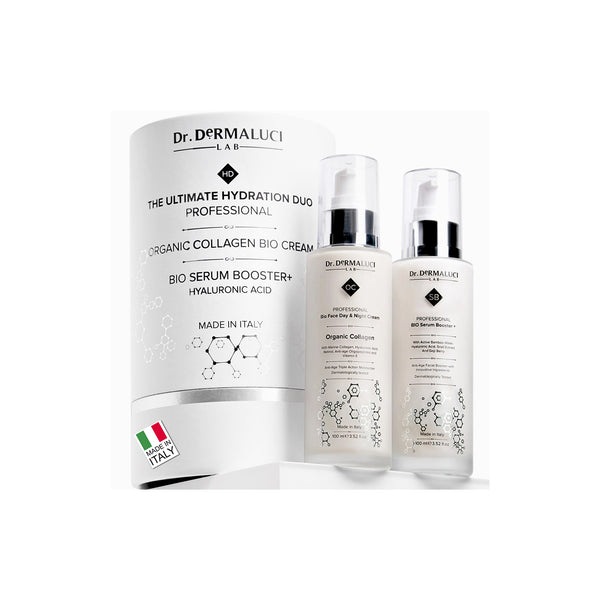


Dry vs Dehydrated Skin: Why Your Skin Barrier Determines Both

Dry or Dehydrated Skin? The Skin Barrier Is the Missing Link
Many people struggle to understand whether their skin is dry or dehydrated. While these conditions are often confused, they are not the same — yet they are closely connected. The key factor linking both conditions is your skin barrier.
This article is part of our Skin Barrier pillar cluster. For the foundational framework, see our complete guide to skin barrier.
When the skin barrier is compromised, the skin loses both water and lipids, which can make dry and dehydrated skin appear at the same time.
If you’d like a general overview of the difference, read: Dry vs Dehydrated Skin: How to Tell the Difference.
This article explains why the skin barrier determines both conditions and how to restore balance effectively.
What Is the Skin Barrier?
The skin barrier is the outermost layer of the skin, often described as a brick-and-mortar structure:
- Skin cells = bricks
- Lipids (ceramides, fatty acids, cholesterol) = mortar
This structure:
- Locks moisture inside
- Protects against irritants
- Maintains hydration
- Reduces sensitivity
When the barrier weakens, the skin struggles to retain both water and oils, leading to dryness, dehydration, or both.
If you’d like to learn more, read: Why Skin Barrier Repair Is the Foundation of Every Skincare Routine.
Dry Skin vs Dehydrated Skin: Why the Barrier Matters
Dry Skin = Lack of Lipids
Dry skin lacks natural oils, which help seal hydration into the skin.
When lipids are insufficient:
- Skin becomes rough
- Elasticity decreases
- Sensitivity increases
- Barrier becomes weaker
Dry skin is often genetic or long-term.
Dehydrated Skin = Lack of Water
Dehydrated skin lacks water, not oil.
This can affect:
- Oily skin
- Combination skin
- Sensitive skin
- Normal skin
Dehydrated skin often shows:
- Dullness
- Fine dehydration lines
- Tightness
- Increased sensitivity
When the barrier is compromised, water escapes more easily, leading to dehydration.
Why Many People Experience Both
A weakened barrier leads to:
- Increased water loss (dehydration)
- Reduced lipid protection (dryness)
This is why many people experience:
- Tight skin with oiliness
- Flaking with dullness
- Sensitivity and dehydration lines
If you’d like to understand how inflammation affects hydration, read: What Is Skin Inflammation and Why It Matters.
Common Causes of Skin Barrier Disruption
- Over-cleansing
- Harsh surfactants
- Over-exfoliation
- Retinol overuse
- Environmental stress
- Cold weather
- Air conditioning
- Lack of sleep
These factors weaken the barrier and increase moisture loss.
How to Repair the Skin Barrier
Barrier repair requires:
Hydration First
Water-binding ingredients:
- Hyaluronic acid
- Glycerin
- Panthenol
- Aloe vera
If you’d like to learn more, read: Skin Barrier Intelligence: How to Repair, Train, and Future-Proof Your Skin
Lipid Support
Barrier-supporting ingredients:
- Ceramides
- Fatty acids
- Squalane
- Shea butter
These help seal moisture into the skin.
Gentle Routine
Barrier-friendly habits:
- Avoid harsh cleansing
- Reduce exfoliation
- Use gentle formulations
- Protect with SPF
Example Routine for Dry and Dehydrated Skin
- Gentle cleanser
- Hydrating serum
- Barrier-support cream
- Daily SPF protection
Consistency helps rebuild skin resilience.
Frequently Asked Questions (FAQ)
Frequently Asked Questions (FAQ) answer common questions about dry and dehydrated skin.
Can I have dry and dehydrated skin at the same time?
Yes. A damaged barrier often causes both conditions.
How long does barrier repair take?
Usually 2–4 weeks with consistent care.
Does dehydration cause wrinkles?
Dehydration can cause temporary fine lines.
Can oily skin still have barrier damage?
Yes. Oil production does not prevent dehydration.
Should I stop exfoliating?
Reduce frequency if your skin is irritated.
Checklist
Dry skin lacks lipids
Dehydrated skin lacks water
Barrier damage causes both
Hydration and lipids are both important
Gentle routines support recovery
Barrier repair improves skin resilience
More Articles to Read About Skin Barrier
The following articles explore these topics in more depth: What Dermatologists Mean by “Fix the Barrier First”.
Read more


