
 Verified by shop




Can Skincare Help Stress-Affected Skin?
Can Skincare Help with Stress-Affected Skin? Cortisol, Inflammation, and Barrier Breakdown Explained
Many clients notice the same pattern: during periods of intense stress, their skin suddenly changes. Breakouts appear, redness increases, dehydration worsens, and products that once felt comfortable begin to sting.
This is not a coincidence.
Stress has a measurable physiological impact on the skin, mediated primarily by the hormone cortisol. Understanding what skincare can—and cannot—do in this context is essential to managing expectations and choosing the right approach.
How Stress Communicates with the Skin
The skin is not isolated from the nervous system. In fact, it is a neuro-immuno-endocrine organ, meaning it responds directly to psychological stress.
When stress levels rise:
- Cortisol increases
- Inflammatory mediators are released
- Barrier recovery slows
- Immune responses become dysregulated
Over time, this creates a cascade of visible skin changes.
The Role of Cortisol in Stress-Affected Skin
Cortisol is not inherently bad—it helps the body respond to challenges. But chronically elevated cortisol can negatively affect the skin by:
- Increasing inflammation
- Reducing lipid synthesis in the barrier
- Increasing transepidermal water loss (TEWL)
- Delaying wound healing
- Worsening acne, eczema, and sensitivity
This explains why stressed skin often feels tight, reactive, inflamed, and unpredictable.
Common Signs of Stress-Affected Skin
Stress-related skin changes often include:
- Sudden breakouts or flare-ups
- Increased redness or flushing
- Dehydration and dullness
- Heightened sensitivity
- Slower recovery from irritation
- Worsening of pre-existing conditions (eczema, acne, rosacea)
Importantly, these changes can occur even when skincare routines remain unchanged.
What Skincare Can Realistically Do
Skincare cannot eliminate stress or stop cortisol production. However, it can reduce the skin’s vulnerability to stress-related damage.
Effective skincare can:
- Strengthen the skin barrier
- Reduce baseline inflammation
- Improve hydration retention
- Support recovery and comfort
- Minimize secondary irritation
This supportive role is critical during stressful periods.
What Skincare Cannot Do
It’s important to be honest:
- ❌ Skincare cannot “neutralize cortisol.”
- ❌ Skincare cannot replace sleep or stress management
- ❌ Aggressive treatments worsen stress-affected skin
Expecting skincare to override systemic stress often leads to frustration—and overuse of actives.
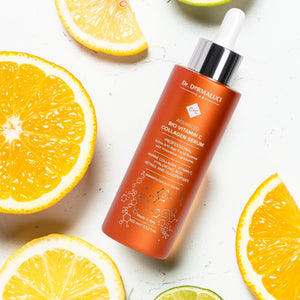
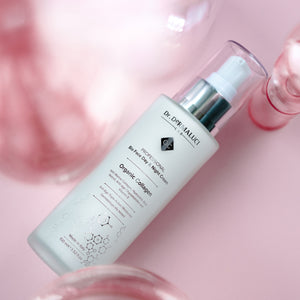
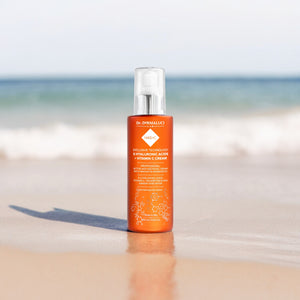
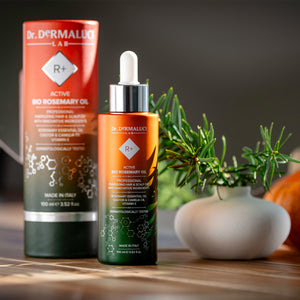
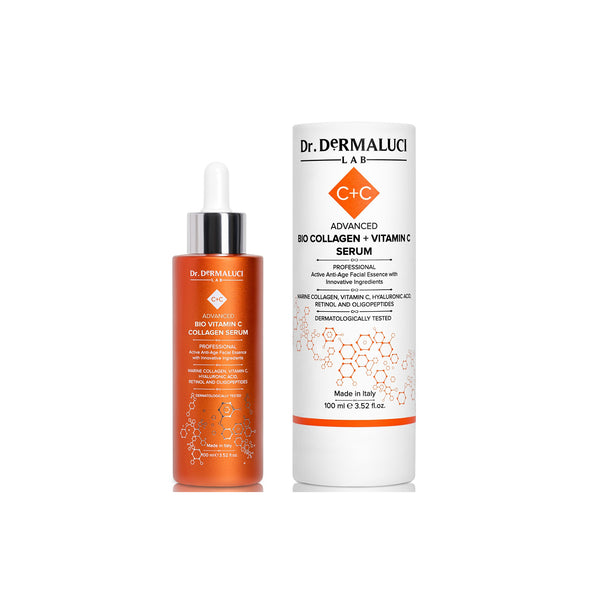
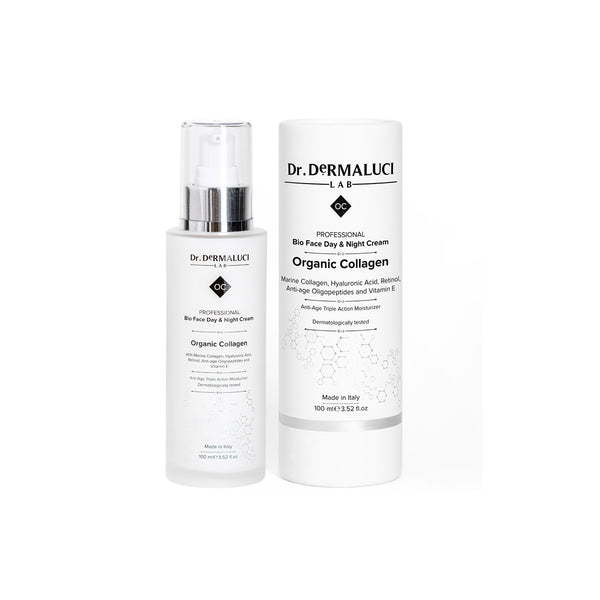
Dermalucilab’s Barrier-Centered Approach to Stress-Affected Skin
Dr. Dermaluci Lab formulates with the understanding that stressed skin needs protection, not stimulation.
Key formulation principles include:
- Multi-weight hyaluronic acid to maintain hydration despite barrier stress
- Niacinamide to support lipid synthesis and reduce inflammation
- Peptides & collagen to improve comfort and resilience
- Organic aloe & chamomile to calm irritation
- Nickel-tested, AIAB-certified organic formulas
- Avoidance of essential oils and aggressive fragrance
This approach helps the skin remain stable even when external stressors are unavoidable.
How to Adjust Your Routine During Stressful Periods
- Reduce exfoliation frequency
- Pause new active ingredients
- Focus on hydration and barrier repair
- Use sunscreen daily (UV amplifies inflammation)
- Keep routines simple and consistent
Often, doing less—but more intentionally—produces better results.
Coming next:
👉 👉 The Exposome and Your Skin: Understanding How Modern Life Accelerates Aging
❓ FAQs
Q: Can stress really cause breakouts and redness?
Yes. Stress-induced cortisol increases inflammation and disrupts the barrier.
Q: Should I change my skincare during stressful times?
Yes—simplify and reduce irritation.
Q: Is stronger skincare helpful during stress?
No. It often worsens sensitivity.
Q: Are Dermalucilab products suitable for stressed skin?
Yes. They are designed to calm, hydrate, and protect the barrier.
Checklist
✅ Stress directly affects skin physiology
✅ Cortisol increases inflammation and TEWL
✅ Barrier support reduces stress impact
✅ Gentle skincare works best under stress
✅ Dermalucilab supports skin resilience


