



 Verified by shop


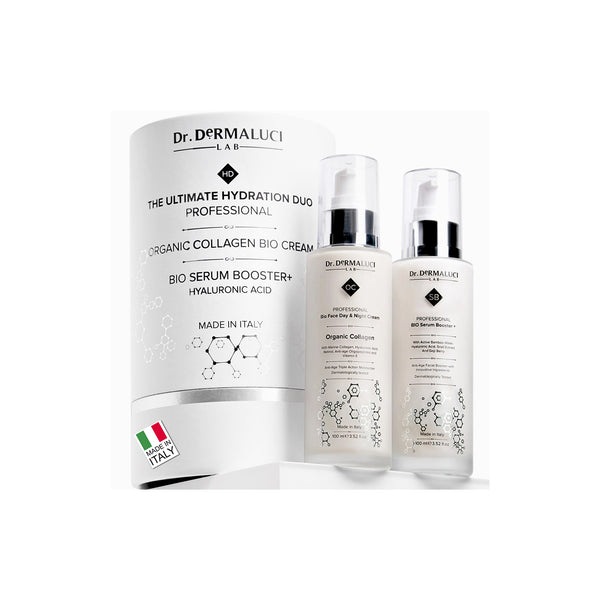


Why Glass Skin Is a Light Reflection Problem, Not a Product

People often say that glass skin comes from just one serum, one toner, or one perfect step in a routine. But most of the time, what people call "glass skin" isn't an effect of a product. This is an effect of light reflecting. When light reflects evenly off a smoother, calmer, and better-hydrated surface, skin looks bright. When roughness, dehydration, congestion, flaking, or irritation get in the way of that reflection, it looks dull. That's why two people can use the same glow product and get very different results. A lot of the time, the bottle isn't the difference. The physics of the skin's surface itself. If you want your skin to look like glass, the best thing to do is not to chase shine. It is making the conditions better so that light reflects more evenly.
This article is part of our Skin Barrier pillar cluster. Foundational read: our skin barrier cornerstone. Related: why your skin looks dull even when healthy.
What Glass Skin Really Means
Glass skin is not a formal dermatology term. It is a visual ideal based on how the skin surface appears under light.
In practical terms, skin looks more “glass-like” when it appears:
- smoother
- more even
- well hydrated
- less inflamed
- less disrupted by rough texture or flaking
This is an optical result, not just a product claim.
Why Light Reflection Matters More Than Product Hype
When light hits the skin, some of it reflects directly from the surface and some travels into deeper layers before scattering and returning outward. That means glow depends on more than adding shine.
For skin to look luminous, the surface needs to reflect light in a more regular and controlled way.
Why the Same Product Looks Different on Different People
Two people can apply the same product and get different results because
- one surface is smoother
- one barrier is calmer
- one complexion is better hydrated
- one skin texture scatters light more evenly
If the skin surface is rough, dehydrated, irritated, or congested, even a good product may sit on top without creating that polished effect.
Why Roughness Reduces Glow
One of the biggest reasons skin does not look radiant is surface irregularity.
How Rough Texture Changes Appearance
When skin is rough, light reflects less evenly. Instead of a smoother reflective effect, the surface scatters light in different directions.
This is why skin can look dull even when it is clean.
Common Causes of Surface Roughness
Skin often loses that luminous look when there is:
- dead-cell buildup
- dehydration
- flaking
- irritation
- congestion
- slower visible renewal
The issue is usually not poor cleansing. It is uneven surface texture.
Does hydration improve light reflection?
Yes, but hydration helps most when it is balanced.
Hydration can make the outer layer of the skin look more optically uniform. That often improves visible radiance because light is scattered less chaotically.
Why More Hydration Is Not Always Better
Hydration helps glow, but over-layering does not automatically create better reflection. If too many layers leave the skin coated, sticky, or congested, the result may be shine without clarity.
What supports glow better is:
- balanced hydration
- barrier support
- the right texture for the climate
- less surface disruption
Why Oil Is Not the Same as Glow
Another common mistake is assuming shiny skin equals luminous skin.
Oil can increase visible reflectance, but glow is not just surface shine.
Shine vs Radiance
Oily skin can still look dull if the surface is:
- uneven
- inflamed
- dehydrated underneath
- congested
- rough in texture
Glass skin is closer to controlled light reflection than uncontrolled oiliness.
Why One Product Cannot Create Glass Skin Alone
A product can support glow, but it cannot override skin biology and skin optics by itself.
If the surface is rough or the barrier is irritated, one product cannot fully compensate for that.
What Actually Creates a Glass-Skin Effect
A more realistic system includes:
- gentle support for smoother texture
- balanced hydration
- barrier lipid support
- reduced irritation
- daily SPF
- consistency over time
That is why glow usually comes from routine architecture, not a miracle formula.
How to Build the Conditions for Better Reflection
If the goal is more radiance, the routine should improve the skin conditions that affect optics.
Support Surface Smoothness
A smoother surface reflects light more evenly. This does not mean aggressive exfoliation. It means supporting texture carefully and consistently.
Keep Hydration Balanced
Hydrated skin usually looks more reflective than dehydrated skin, but it still needs the right barrier support to stay visually even.
Protect the Barrier
A calm barrier reduces roughness, sensitivity, and visible redness, all of which affect how light reflects.
Control Congestion Without Chasing Shine
More oil does not automatically create glow. Managing buildup and congestion helps keep the surface optically cleaner.
Use SPF Every Day
UV exposure worsens uneven tone, visible roughness, and texture changes that interfere with luminosity.
Glass skin is not a single-product result. It is the visual effect of skin reflecting light more evenly because the surface is smoother, the barrier is calmer, hydration is balanced, and roughness is minimized. In other words, glow is an optical event built on skin biology. The most effective skincare strategy is not chasing shine or hype. It is improving the conditions that let light reflect beautifully from the skin you already have.
For a complementary article on why skin can lose radiance, read:
Why Does Healthy Skin Look Dull?
FAQs
Is glass skin the same as oily skin?
No. Oil can add shine, but glass skin depends more on smooth, even light reflection than on surface sebum alone.
Can hydration improve how skin reflects light?
Yes. Better hydration can help the outer layer look more uniform, which can improve visible radiance.
Why does rough skin look dull?
Because surface irregularity scatters light unevenly, which reduces the appearance of glow.
Can one serum give me glass skin?
A serum can help support the effect, but glow usually depends on hydration, texture, barrier health, and overall routine consistency.
About Dr. Dermaluci Lab
Dr. Dermaluci Lab is a skincare research and formulation brand focused on high-performance organic cosmetic formulations developed and produced in Italy. The brand focuses on clinically studied active ingredients such as retinol, peptides, niacinamide, and vitamin C, combined with certified organic ingredients suitable even for sensitive skin.
Quick action checklist
- ✓ Focus on barrier hydration first — water content drives reflection more than oil
- ✓ Gentle exfoliation 1-2x/week smooths the surface for even light bounce
- ✓ Layer hyaluronic acid AM and PM for sustained hydration
- ✓ Use a barrier-repair moisturizer with ceramides at night
- ✓ Avoid harsh cleansers — they disrupt the smooth surface you need
- ✓ Daily SPF prevents UV damage that creates uneven texture
- ✓ Skip glitter or shimmer products that fake glow without addressing roughness
Frequently asked questions
What actually creates glass skin?
Even light reflection off a smooth, hydrated, low-inflammation skin surface. It is an optical effect from barrier health, not a single product.
Can one product give me glass skin?
No. Glass skin requires consistent barrier care: hydration, gentle exfoliation, sun protection, and reduced inflammation. No single serum delivers it alone.
Why doesn't my skin look as smooth as influencer photos?
Most are filtered or use specific lighting setups. Real glass skin is achievable but takes weeks of barrier-first care, not a quick fix.
Is dehydrated skin compatible with glass skin?
No. Dehydrated skin scatters light unevenly. Restoring hydration with hyaluronic acid and ceramide creams is the first step toward glass-like reflection.
How often should I exfoliate for glass skin?
1-2 times per week is enough for most. More risks barrier damage, which then increases roughness — the opposite of what you want.
Do I need oils or serums to get glass skin?
Serums help, oils are optional. The biggest gains come from barrier-supporting moisturizers, daily SPF, and reduced inflammation — not from glow products.
Related articles


