



 Verified by shop




Why Skin Breaks Down During Illness or Recovery

Your skin keeps a record of what your body has been through. A flu, a fever, a course of antibiotics, surgery, an autoimmune flare - all of it tends to show up on the face within days. Skin that was calm becomes reactive. Pores that were quiet break out. The routine that worked last month suddenly stings. None of this is imagination, and none of it is a moral failure of your skincare. It is your skin telling you the body underneath has reallocated resources toward survival and repair, and the barrier is paying part of the bill. This article unpacks the mechanism and what to do about it.
This article is part of our Holistic Skin Health pillar cluster. For the foundational framework, see our complete guide to holistic skin health.
Why illness changes the skin within days
Skin is not a separate organ that ignores the rest of the body. It is a barrier organ, an immune organ, and part of the stress-response network. When the immune system mobilises against infection, when the adrenal glands push cortisol, when fever drives water out of cells, the skin is one of the first places those changes show. Maintaining the barrier is energetically expensive, and during illness the body prioritises survival over surface.
The cellular machinery that builds ceramides, secretes sebum, repairs micro-damage and replaces dead corneocytes runs on glucose, amino acids, fatty acids, and a long list of micronutrients. When those resources are diverted toward immune cells and tissue repair elsewhere, the barrier gets the leftovers.
- Immune diversion - cytokines redirect amino acids and energy substrates toward the infection site
- Cortisol elevation - the stress hormone suppresses collagen synthesis and slows wound healing
- Fluid loss - fever, sweating and reduced intake dehydrate the body from the inside out
- Sleep disruption - the overnight repair window shrinks or fragments
- Microbiome shifts - illness and medications change both gut and skin bacterial populations
- Nutrient depletion - zinc, vitamin C, vitamin D and B vitamins are consumed faster than usual
This is also one of the reasons skin can look noticeably tired before you realise you are getting sick. The barrier responds to systemic change earlier than the brain registers symptoms.
Inflammation and the rise in transepidermal water loss
The single most measurable change during illness is a rise in transepidermal water loss, the rate at which water evaporates through the skin. A healthy barrier holds water in. An inflamed barrier leaks. The pro-inflammatory cytokines that circulate during infection (interleukin-1, interleukin-6, tumour necrosis factor alpha) interfere with the production of ceramides and other lipids that seal the stratum corneum. The result is rougher texture, tighter feel, and skin that drinks moisturiser without ever feeling quenched.
Common visible signs that the barrier has lost integrity:
- Dry, flaky patches around the nose, jawline and forehead
- Tightness immediately after cleansing that does not settle
- Stinging on application of products that used to be tolerated
- Dull tone, with the cellular debris of slowed turnover sitting on the surface
- Breakouts in unusual places, often along the chin and temples
- Heightened redness around the cheeks and nostrils
The relationship between barrier damage and inflammation is bidirectional. A weakened barrier lets more irritants in, which triggers more inflammation, which weakens the barrier further. Our explainer on how the skin barrier and inflammation feed each other walks through this feedback loop in detail.
Cortisol, healing speed and the post-illness slump
Cortisol is the body's primary stress hormone, and it serves you well in the short term. It mobilises glucose, dampens excessive inflammation, and keeps you upright when you would rather collapse. Chronically elevated cortisol, however, slows almost every repair process the skin depends on.
What sustained cortisol does to skin tissue:
- Suppresses fibroblast activity, which slows new collagen production
- Reduces ceramide and free fatty acid synthesis in the stratum corneum
- Thins the dermal layer over time with repeated exposure
- Increases sebum production and shifts its composition, contributing to breakouts
- Slows wound healing measurably, even for small abrasions
This is why the week after a high fever often looks worse than the fever itself, and why post-illness skin recovery can lag the body's recovery by several days. The cortisol curve does not drop the moment the temperature does. Our deep dive on how stress accelerates skin aging through the cortisol pathway covers the longer-term version of this same mechanism.
Antibiotics, the microbiome and the gut-skin axis
Antibiotics save lives. They also reshape the bacterial communities that live on your skin and in your gut, and that reshaping can show up on your face for weeks after the prescription ends. The skin microbiome plays an active role in defending the surface against pathogens and signalling to the immune system; when broad-spectrum antibiotics flatten that population, the surface ecology has to reorganise from scratch.
The gut connection is just as important. The gut microbiome influences systemic inflammation through short-chain fatty acid production, vitamin synthesis, and modulation of the intestinal lining. When antibiotics disrupt that population, intestinal permeability can rise temporarily, which raises circulating inflammation, which the skin feels. We unpack this network in our piece on the gut-skin axis and how digestive health shapes glow.
Typical patterns after a course of antibiotics:
- Breakouts that look like stress acne, often along the chin and jaw
- Dryness that resists normal moisturiser
- Increased sensitivity to products that were previously well-tolerated
- Slower healing of any existing blemishes
- A two-to-six-week window before the microbiome reaches a new baseline
If you have recently finished a course of antibiotics, expect the surface to feel different for longer than the medication itself stayed in your system. Probiotics in the diet help. Gentle skincare helps more.
Fever skin, sleep loss and the overnight repair window
A fever is a controlled rise in core body temperature, and the skin pays for that temperature rise. Fluid loss accelerates. Sweating disrupts the lipid layer. The visible result is often a tight, parched feeling that no amount of regular moisturiser fully addresses for the first few days.
Sleep is the other casualty. The overnight window is when the skin runs the bulk of its repair programme: keratinocyte renewal peaks, blood flow to the dermis rises, and growth hormone supports tissue maintenance. Illness fragments this window. Coughs, congestion, fevers and medication side effects all chip at sleep quality. Our reference on how sleep quality shapes skin health covers the mechanism in full, and it explains why two weeks of broken sleep can look on the face like a year of aging.
Practical steps that help during the fever stage:
- Drink water with a small amount of salt or an electrolyte blend, not just plain water
- Keep the bedroom cool and dim to support whatever sleep is available
- Apply moisturiser to slightly damp skin to lock surface water in
- Use a humidifier if heating or air-conditioning is running
- Avoid hot showers, which strip lipids the barrier cannot afford to lose
Autoimmune and chronic illness skin
Some forms of skin breakdown are not tied to a single acute illness but to a chronic immune background. Hashimoto's thyroiditis, Graves' disease, psoriasis, eczema and other autoimmune conditions all involve immune-system signalling that affects the skin even when nothing on the surface looks dramatically wrong. The barrier of an autoimmune body works harder for the same result, and it tires faster under additional stress.
The founder of Dr. Dermaluci Lab lives with both Hashimoto's and Graves', which is part of why the brand was built around sensitive, reactive, autoimmune-friendly formulation. Thyroid disorders in particular can shift skin behaviour through three pathways: changes in skin hydration via altered sweat and sebum, changes in healing speed through hormonal effect on collagen turnover, and changes in pigmentation in some cases.
Patterns common in autoimmune skin during a flare:
- Dryness that does not respond to standard hydration
- Increased sensitivity to ingredients that were fine a month earlier
- Cyclical flares aligned with stress, sleep, or hormonal shifts
- Slower healing of small injuries and post-inflammatory marks
- Higher baseline redness, even on calm days
For more on this overlap between immune activation and surface reactivity, see our explainer on sensitive skin, its triggers and how to restore balance.
The recovery routine - simplify, then rebuild
The instinct during a skin crisis is often to add more products. The opposite is usually correct. During peak illness and the first week of recovery, fewer, simpler steps protect the barrier better than any active ingredient would correct it.
The minimum viable routine during illness:
- Gentle pH-balanced cleanser - once a day in the evening, lukewarm water, no foaming sulphates
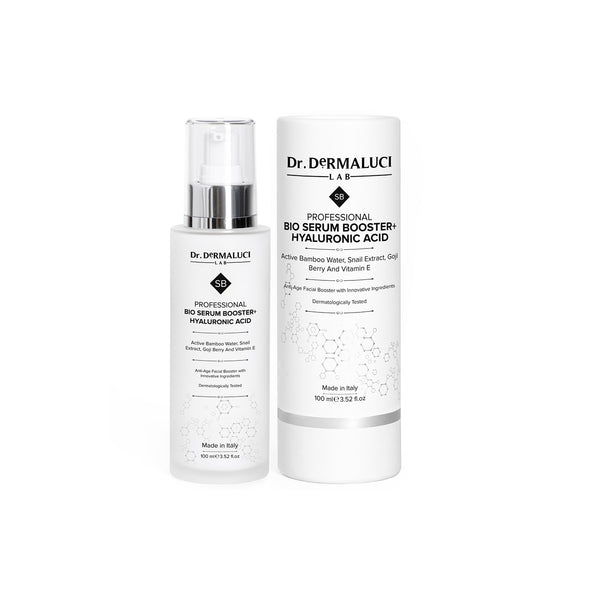
- Hydrating serum - multi-weight hyaluronic acid for barrier hydration applied to damp skin
- Ceramide-rich moisturiser - twice a day, more generously than usual
- Daily SPF - non-negotiable, even if you are not leaving the house, because UVA passes through windows
What to pause until skin stabilises:
- Retinol and retinaldehyde of any strength
- AHAs and BHAs, including the gentle ones
- High-percentage vitamin C, including L-ascorbic acid serums
- Strong peptide stacks
- Any new product introduced in the previous month
Reintroduction matters as much as withdrawal. When you bring actives back, do it slowly - one product, one application per week for the first fortnight, then build cadence from there. The temptation to "make up for lost time" by going hard on the comeback routine is exactly how post-illness barriers get pushed into a second crisis. Our guide on why hydration matters more than anti-aging actives explains why patience pays better than aggression here.
Feeding the recovery from the inside
Topical care does about half the work. The other half is what you eat while the body rebuilds. The micronutrients skin needs for repair are the same ones illness depletes fastest.
- Water plus electrolytes - rehydration is faster with a pinch of salt and a squeeze of lemon than with plain water alone
- Protein - amino acids are the raw material for new collagen and ceramides
- Zinc - depleted quickly during immune activation, needed for wound healing
- Vitamin C - consumed during oxidative stress, needed for collagen crosslinking
- Omega-3 fatty acids - support barrier lipid synthesis and dampen residual inflammation
- Vitamin D - involved in barrier function and immune regulation, often low after winter illness
Supplementation is not a substitute for food. But a deliberate week or two of nutrient-rich meals during recovery matters more than people credit. Our explainer on antioxidants for skin health covers the topical side of the same defence.
Quick action checklist
- ✓ Strip your routine back to cleanser, hyaluronic acid, ceramide moisturiser and daily SPF for the duration of illness
- ✓ Pause retinol, AHA/BHA exfoliants, high-percentage vitamin C and any peptide stack until skin feels stable for at least seven days
- ✓ Hydrate with water plus electrolytes, not just water, especially during fever or after sweating
- ✓ Apply moisturiser to slightly damp skin to lock the surface water in while the barrier rebuilds
- ✓ Protect sleep as if it were a prescription, because the overnight repair window does most of the work
- ✓ Do not introduce any new product during recovery, because reactive skin cannot reliably tolerate testing
- ✓ Reintroduce actives one at a time, once a week for the first fortnight, then build cadence gradually
- ✓ Expect a two-to-six-week tail after antibiotics before the microbiome rebalances and skin settles
- ✓ Treat post-illness sensitivity as information, not failure, and adjust the routine accordingly
Frequently asked questions
Why does my skin worsen the week after I recover from being sick?
The cortisol curve and the barrier lipid pool both take longer to recover than the underlying infection. Your immune system has stood down but your skin is still rebuilding. Expect a one-to-two-week tail of dryness, sensitivity or breakouts after the body itself feels well, and protect the barrier through it rather than trying to correct what looks wrong.
Should I stop my whole skincare routine when I am ill?
No. Reduce, do not stop. A gentle cleanser, hyaluronic acid serum, ceramide moisturiser and daily SPF is enough during illness, and it actively supports recovery. The actives that come out are retinol, exfoliating acids, high-percentage vitamin C and anything new. The basics that come in are the ones that hold water in and keep the lipid layer intact.
Why do I break out after a fever or surgery?
Stress hormones, particularly cortisol, spike during physical recovery and increase sebum production while shifting its composition. Combined with a weaker barrier and disrupted sleep, this creates a fertile environment for breakouts, often along the chin and jaw. The breakouts usually settle within two to three weeks if the barrier is supported and no harsh corrective acids are added.
Can antibiotics really change my skin for weeks?
Yes. Antibiotics reshape the gut and skin microbiome populations, and rebuilding those takes longer than the prescription itself. Expect two to six weeks of unsettled skin after a course finishes, with possible dryness, sensitivity or breakouts. Fermented foods, fibre and gentle skincare all help the rebalancing process.
Is post-illness skin sensitivity permanent?
No, in almost all cases. The barrier is designed to rebuild, and most acute post-illness sensitivity resolves within four to six weeks of supportive care. Persistent sensitivity beyond that often points to a chronic background factor such as autoimmune activity, hormonal shifts or a product the routine is no longer tolerating, rather than the original illness itself.
Can autoimmune conditions like Hashimoto's affect skin recovery?
Yes. Autoimmune conditions involve baseline immune activation, which means the skin starts every recovery from a more inflamed and more reactive baseline. Hashimoto's and Graves' both affect thyroid output, which influences hydration, healing speed and pigmentation. Expect recovery to take longer and plan the routine around barrier support rather than active correction.
Should I introduce a new product to fix my post-illness skin?
No. Reactive skin cannot reliably tell you whether a new product is helping or hurting, because everything stings on a compromised barrier. Wait until your baseline returns and your routine feels predictable again before testing anything new. The exception is replacing a missing barrier-support product with another barrier-support product of similar profile.
Related articles


