



 Verified by shop




How Shift Work Damages Skin And How to Protect It

Introduction
Working nights, rotating shifts, or long irregular hours can leave skin looking dull, tight, puffy, uneven, or unexpectedly reactive. The issue is not always that your products have stopped working. Irregular sleep and light exposure can disturb the timing that supports hydration, barrier recovery, stress regulation, and visible repair. Understanding how shift work damages skin helps you simplify your routine and protect the functions most likely to become strained.
This article forms part of our Holistic Skin Health pillar cluster. For the foundational framework, see our Holistic Skin Health: The Inside-Out Framework.
Why shift work can affect skin balance
Skin changes across the day. Water loss, sebum activity, temperature, blood flow, antioxidant defenses, and repair are influenced by signals such as light, sleep, meals, and activity. Repeated night work or rapid rotation between schedules can make those signals less predictable. One difficult shift will not permanently age the skin, but recurring short sleep, dry indoor air, inconsistent cleansing, stress, and daylight exposure after work can make dehydration and sensitivity more persistent.
The main ways shift work damages skin
Hydration can fall and fine lines may look more visible
Night workers often notice tightness, rough texture, reduced glow, or makeup that sits unevenly. These signs can reflect dehydration, which is a lack of water rather than a lack of oil. Use one humectant step, apply it to slightly damp skin, and follow with moisturizer instead of layering several hydrating products.
The skin barrier may become less resilient
Irregular sleep, harsh cleansing, air conditioning, repeated wiping, and overuse of active ingredients can weaken the barrier. Warning signs include tightness after cleansing, stinging, redness, and rough patches. Barrier support requires both water-binding ingredients and lipids that reduce moisture loss.
Stress can increase reactivity
Shift work places wakefulness, meals, commuting, and bright light at unusual times. This does not automatically cause a skin disorder, but it can contribute to redness, discomfort, breakouts, or slower recovery in people who are already prone to sensitivity. When a familiar product suddenly stings, reduce routine intensity rather than adding another treatment.
Skin can look oily and dehydrated at the same time
Surface shine does not prove that skin is well hydrated. Sebum and water content are different systems, so aggressive oil removal can worsen tightness and irritation.
Daylight exposure can be overlooked
A night shift may finish after sunrise. Sunscreen is relevant whenever the commute, errands, or window exposure occur during daylight. Apply broad-spectrum sunscreen before leaving work when exposure is expected, even if you are going home to sleep.
A realistic skincare routine for night-shift workers
Build the routine around skin function rather than clock labels. Before activity, protect. Before your main sleep period, cleanse and support recovery. The routine should remain manageable when you are tired.
Before your shift: hydrate and protect
Cleanse only when needed. Follow with a hydrating serum and moisturizer. Use sunscreen when you will travel or work in daylight. Avoid stacking several serums with overlapping functions.
During your shift: prevent avoidable irritation
Air conditioning, heating, protective equipment, face touching, and wipes can increase discomfort. Avoid repeated full-face cleansing. If tightness develops, a small amount of with minimal fragrance moisturizer is usually more useful than a mist that evaporates without being sealed.
After your shift: cleanse gently and recover
Remove sunscreen, makeup, sweat, and workplace residue with lukewarm water and a mild cleanser. Apply a hydrating serum to slightly damp skin, then moisturizer. Pause exfoliating acids or strong retinoids when the skin stings, peels, or feels unusually tight.
Active ingredients without overloading tired skin
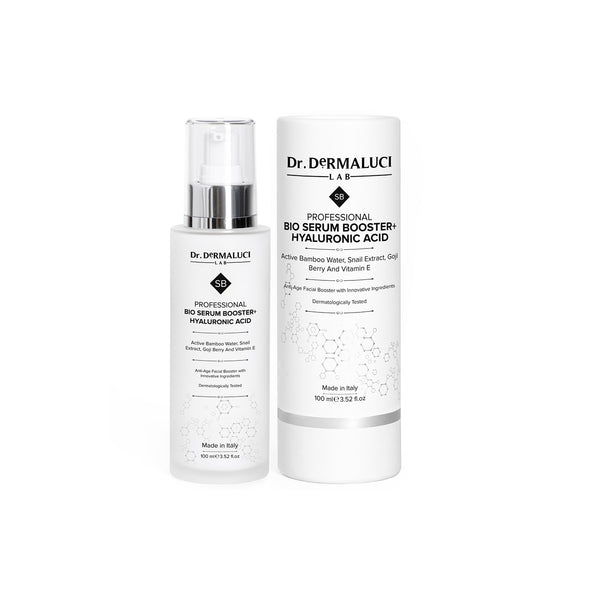
Hyaluronic acid
Useful for temporary tightness and dehydration. Apply before moisturizer; it does not replace barrier lipids.
Niacinamide
Can support barrier function and improve the appearance of uneven tone or redness. Moderate concentrations may be easier to tolerate than very strong formulas.
Ceramides and panthenol
Ceramides support barrier lipids, while panthenol can improve comfort and moisture retention. They are useful when skin feels dry, reactive, or over-cleansed.
Retinoids and exfoliating acids
Use them according to tolerance, not a rigid calendar. Never compensate for a missed application by using extra product after the next shift.
Common mistakes that make night-shift skin worse
Using harsh wipes repeatedly during the shift.
Sleeping in sunscreen or makeup because the routine feels too long.
Exfoliating every time the skin looks dull, even when dehydration is the cause.
Skipping sunscreen because the work period has ended.
Changing several products at once when irritation appears.
Expecting skincare to replace adequate rest.
Adapting the routine to rotating schedules
Use the protective routine before periods of activity and daylight, and the recovery routine before your main sleep period. Keep a small kit with cleanser, one hydrating step, moisturizer, and sunscreen. For two to four weeks, note consecutive shifts, sleep duration, active ingredients, and symptoms such as stinging, flaking, or tightness. The purpose is to identify patterns, not to create perfect data.
Shift work can affect skin through disrupted timing, reduced recovery, dehydration, barrier stress, and overlooked daylight exposure. The answer is not a longer routine. Cleanse gently, restore water, seal hydration, protect against daylight, and reduce strong actives when the barrier is struggling. A consistent, low-friction routine gives skin the best chance to remain comfortable when the work schedule is irregular.
Quick Action Checklist
✓ Cleanse gently after the shift to remove sunscreen, makeup, sweat, and workplace residue.
✓ Apply a hydrating serum to slightly damp skin and follow with moisturizer.
✓ Use sunscreen whenever the commute or activities occur during daylight.
✓ Reduce acids and retinoids when skin stings, peels, or feels persistently tight.
✓ Keep the routine limited to repeatable steps during demanding work periods.
✓ Protect the main sleep period with a cool, dark, comfortable environment when possible.
Frequently Asked Questions
Does shift work really damage the skin?
It can contribute to dehydration, visible fatigue, barrier stress, and sensitivity, especially when it causes repeated sleep restriction. Effects vary and are not necessarily permanent.
Why does my skin look dull after night shifts?
Dullness may reflect dehydration, reduced sleep quality, stress, inconsistent cleansing, or a temporarily weakened barrier. Exfoliation is not always the correct response.
Can sleep deprivation make wrinkles look worse?
Dehydration and reduced resilience can make fine lines appear more visible. One poor night does not necessarily create permanent wrinkles.
What is the best routine for a night-shift worker?
Use gentle cleansing, one hydrating step, moisturizer, and sunscreen whenever daylight exposure is expected.
Should I apply sunscreen after a night shift?
Yes, when the commute, errands, or time near windows includes daylight exposure.
When should I pause exfoliation or retinoids?
Reduce or pause them when skin stings, peels, develops unusual redness, or feels persistently tight. Resume gradually after comfort returns.
→ Related Articles
→ Holistic Skin Health: The Inside-Out Framework
→ How Sleep Quality Shapes Skin Health
→ Circadian Skincare: The Science of Day-Night Skin Rhythms and Why Timing Matters
→ Hyaluronic Acid and Skin Barrier Hydration


