



 Verified by shop




Heat-Stressed Skin: The Hidden Ageing Trigger of 2025 — and How to Strengthen Your Thermal Barrier

Climate change, hotter cities, infrared heat, saunas, and indoor heating are creating a new dermatological concern: thermal ageing.
This article is part of our Skin Barrier pillar cluster. For the foundational framework, see our complete guide to skin barrier.
Heat, even without direct sun exposure, can trigger inflammation, weaken the skin barrier, and worsen pigmentation. Dermatologists now recognize that visible ageing is not driven only by UV exposure, but also by daily heat stress.
This concept is closely linked to what we explored in The Exposome and Your Skin: Understanding How Modern Life Accelerates Aging, where environmental stressors like pollution, blue light, and climate all contribute to premature aging.
Heat exposure is cumulative. Your daily commute, cooking, workouts, hot showers, and warm indoor environments all contribute to long-term skin stress.
This article is part of the Complete Guide to Skin Aging: Causes, Prevention and Science-Backed Anti-Aging, a structured knowledge hub exploring how environment, hydration, stress, and collagen decline influence visible aging.
How Heat Affects the Skin
When skin is exposed to heat — whether from urban temperatures, steam rooms, hot showers, saunas, or infrared radiation — several biological processes occur:
- Inflammation increases (triggering “inflammaging”)
- Vasodilation leads to redness and sensitivity
- Melanocyte activity increases, worsening pigmentation
- Collagen fibers weaken due to enzyme activation
- Dehydration increases TEWL, weakening the barrier
Research suggests that infrared radiation (IR-A) penetrates deeper than UV, reaching the dermis and contributing to elasticity loss over time.
This dehydration effect is closely connected to the mechanisms discussed in Dry vs Dehydrated Skin: Why Your Skin Barrier Determines Both, where increased water loss leads to sensitivity, dullness, and premature aging.
The Thermal Barrier — Your First Line of Defense
Just as we protect the skin from UV, we also need to protect it from thermal stress.
A strong thermal barrier relies on:
- Hydration
- Antioxidant protection
- Barrier repair
- Collagen support
Heat exposure increases transepidermal water loss (TEWL), making hydration especially important. This is why layering hydration — as explained in Multi-Step Hydration Routine: Layering Serums, Creams & Humectants — becomes essential for maintaining resilience.
Thermal aging is also linked to stress responses in the skin, making adaptogenic ingredients particularly useful, as discussed in Adaptogenic Skincare: How Adaptogens Help Skin Resist Stress and Aging.
The Dermaluci Thermal Defense Routine
At Dr. Dermaluci Lab, thermal protection focuses on three pillars:
- Antioxidants
- Barrier repair
- Deep hydration
Morning — Shield Phase
- Gentle Facial Cleanser with Aloe & Niacinamide - Calms inflammation and prepares the skin barrier.
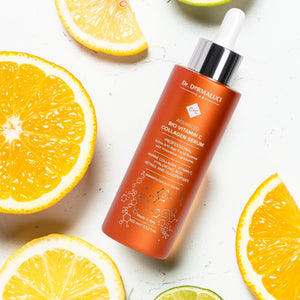
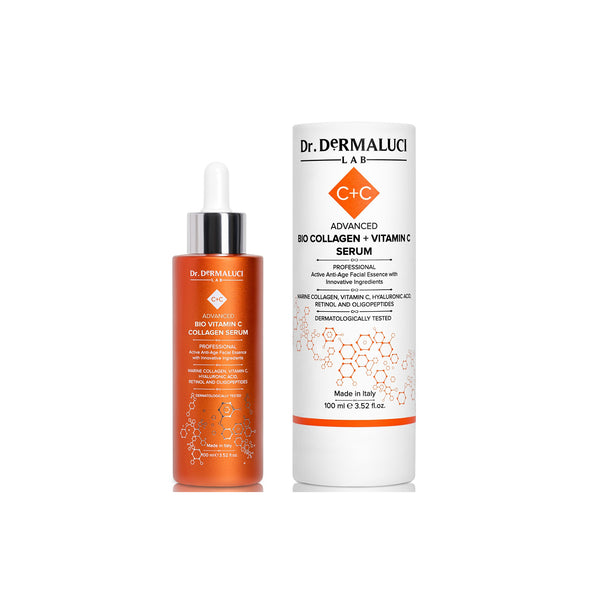
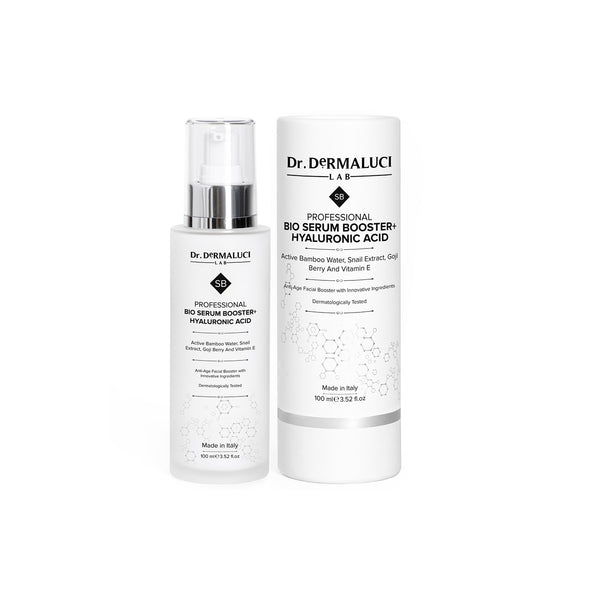
- Vitamin C + Collagen Serum - Helps neutralize heat-generated free radicals and support collagen.
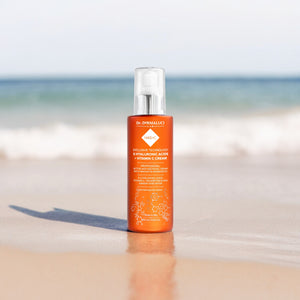
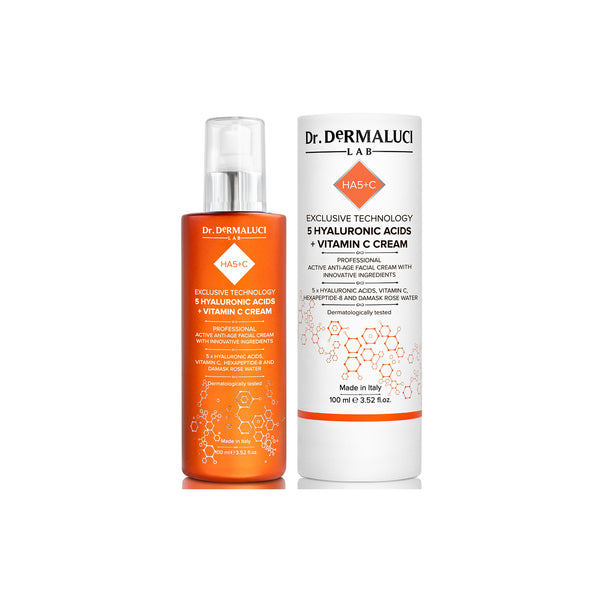
- 5x Hyaluronic Acid + Vitamin C Cream - Restores hydration lost through heat exposure.
- SPF 50 Daily Defense - Protects against UV and supports overall environmental defense.
Night — Repair Phase
- Gentle cleansing to remove sweat and heat-related buildup
- Reapply hydration cream for overnight repair
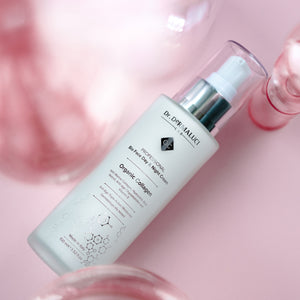
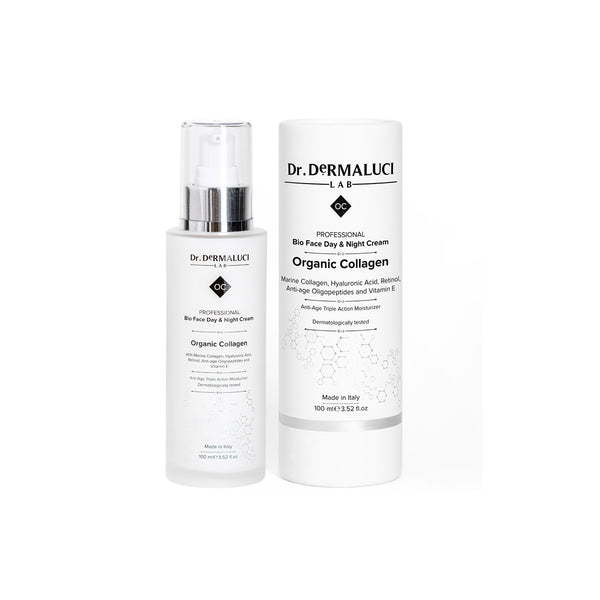
- Optional peptide-rich night cream for elasticity support
Peptides play an important role in repair, as explored in Peptides Unveiled: The Building Blocks of Youthful Skin.
Smart Heat-Protection Tips
- Avoid very hot showers
- Limit excessive steaming
- Avoid exercising with heavy makeup
- Increase hydration during hot weather
- Use antioxidants daily
Heat combined with occlusion (sweat + makeup) increases inflammation and sensitivity.
Frequently Asked Questions (FAQ)
Can heat age the skin even without sunlight?
Yes. Heat increases inflammation, collagen breakdown, and pigmentation even without UV exposure.
Does sauna use damage the skin?
Not necessarily, but repeated heat exposure without hydration and barrier repair may increase dryness and sensitivity.
Can heat worsen melasma?
Yes. Heat activates melanocytes and can worsen pigmentation even without direct sunlight.
How can I protect skin from thermal aging?
Hydration, antioxidants, and barrier-supporting skincare help reduce thermal stress.
Is thermal aging becoming more common?
Yes. Climate change, urban heat, and indoor heating are increasing exposure to thermal stress.
Key Takeaways Checklist
- Heat accelerates collagen breakdown
- Heat increases pigmentation
- Heat weakens the skin barrier
- Hydration helps protect skin
- Antioxidants reduce thermal stress
Read Next in These Series
Morning vs Night Skincare: Understanding Your Skin’s Daily Cycle


