



 Verified by shop




Is Eyebrow Thinning Normal? Causes, Hormones and How to Support Brow Regrowth

You haven't overplucked. You don't use harsh products on your brows. Yet you notice they look thinner, sparser, less defined than they used to. Eyebrow thinning that happens without obvious cause is common — and almost always traces to a small number of biological and lifestyle factors that have nothing to do with how you treat your brows.
This article is part of our Sensitive Skin pillar cluster (with relevance to Skin Inflammation for the hormonal-shift mechanism). For the foundational read on the underlying skin/follicle systems, see our cornerstone on sensitive skin: causes, triggers and how to restore balance and the deeper inflammation piece skin inflammation: the root cause of aging, sensitivity and skin damage.
The main reasons brows thin without overplucking
Hormonal shifts
This is the leading cause for women in their 30s, 40s and beyond. Thyroid function, estrogen levels, and androgens all influence hair-follicle activity. Hypothyroidism is particularly associated with eyebrow thinning, especially in the outer third (the lateral eyebrow). Perimenopause and post-pregnancy also drive measurable thinning. If brow thinning appears alongside other symptoms (fatigue, cycle changes, mood shifts), a thyroid panel is worth requesting from your doctor.
Nutritional deficiencies
Hair follicles need specific micronutrients to maintain a normal growth cycle. The most common deficiencies linked to brow thinning are:
- Iron / ferritin — low ferritin (below 70 ng/mL) is associated with diffuse hair loss including brows
- Vitamin D — chronic low levels affect follicle cycling
- Zinc — required for the anagen growth phase
- Biotin — true deficiency is rare but contributes when present
- Protein intake — chronic low protein affects all keratinous tissues including brows
A blood panel covering ferritin, vitamin D, zinc, and B12 reveals most of these. The connection between systemic nutrition and visible skin/hair quality is broader than just brows — see our work on the gut-skin axis for the absorption side of the equation.
Stress and cortisol
Chronic stress affects hair follicle cycling system-wide, brows included. The mechanism is the same one covered in our how stress accelerates skin aging piece — sustained cortisol disrupts the anagen (growth) phase and pushes more follicles into the telogen (resting) phase, where they shed prematurely.
Aging
Hair follicles, including brow follicles, become less productive with age. After about 40, hair grows back finer and slower than it did at 25. The thinning is not pathological — it is normal cellular aging. It can be slowed but not prevented. The broader principles of skin aging apply to follicle aging too.
Medication side effects
Several common medications can cause diffuse hair thinning that includes brows: certain antidepressants, blood thinners, blood pressure medications, hormonal contraceptives (especially during/after stopping), some chemotherapy agents. If brow thinning coincided with a new medication, that is worth flagging with your prescriber.
Autoimmune conditions
Alopecia areata, frontal fibrosing alopecia, and other autoimmune conditions can cause brow loss. Usually distinguishable from age-related thinning by the pattern (patchy, sudden, sometimes accompanied by other hair loss). A dermatologist can diagnose definitively.
What actually supports regrowth
Brow follicles can be supported but not forced. Realistic interventions:
Address the underlying cause first
Topical treatments alone will not work if there is a sustained nutritional, hormonal or stress driver. Order matters: blood work → address deficiencies → then layer topicals.
Topical lash/brow serums
Peptide-based brow serums (similar to lash serums) can support follicle activity. The mechanism is the same one covered in our lash serum science guide. Avoid prostaglandin-based serums on brows — they can cause unwanted darkening of surrounding skin and unpredictable hair color changes.
Castor oil
Topical castor oil has limited but real evidence for follicle support. The ricinoleic acid coats existing hairs (giving an immediate fuller-looking appearance) and may support follicle environment over months. Apply a small amount nightly with a clean brush. See our rosemary and castor oil guide for the underlying mechanism applied to scalp hair.
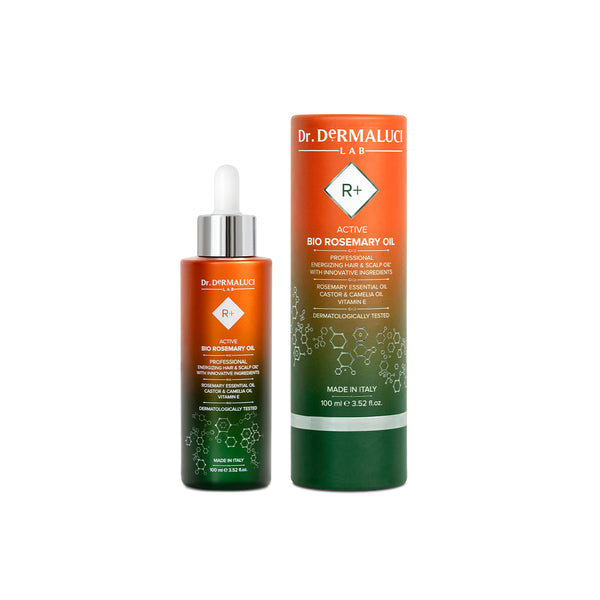
Rosemary oil
The 2015 Skinmed trial that showed rosemary oil comparable to minoxidil for scalp hair growth supports similar use on brows. Apply diluted (rosemary essential oil in a carrier like jojoba), avoid getting into the eyes.
Minoxidil
Off-label use for brows has supporting evidence but requires consistency over 6+ months. Talk to a dermatologist before starting. Some side effects (skin irritation, applied to wrong area) are common.
What does NOT work (despite marketing)
- "Brow growth" supplements with no evidence base — most just contain biotin
- Generic biotin supplementation without confirmed deficiency — does nothing for brows in non-deficient people
- Massaging brows aggressively — does not stimulate follicles, can damage existing hairs
- Most "natural" brow oils sold expensively — castor oil at 1/10 the price does the same thing
- Brow tattoos as a "regrowth solution" — they cover, they do not regrow
Timeline expectations
Brow hair grows about 0.16mm per day, much slower than scalp hair. A full growth cycle is 4-7 months. So:
- Weeks 1-4: Existing hairs look healthier (oils, peptides coating shaft). No new growth visible.
- Weeks 4-12: If follicles were dormant and have been stimulated, fine new growth becomes visible.
- Months 3-6: Visible density change. Assess at 6 months.
- After 6 months: If no visible change despite addressing underlying causes + consistent topical use, follicle decline may be too advanced — brow tinting, microblading, or makeup are then the practical paths.
Quick action checklist
- ✓ If thinning is sudden or patchy, see a dermatologist before topicals — rule out autoimmune cause
- ✓ Get a blood panel: ferritin, vitamin D, zinc, thyroid (TSH minimum, ideally full panel)
- ✓ Address any deficiency found — diet first, supplements if needed under medical guidance
- ✓ Reduce chronic stress where possible — direct effect on follicle cycle
- ✓ Apply castor oil OR a peptide-based brow serum nightly
- ✓ Avoid prostaglandin-based serums on brows (color/skin pigmentation risk)
- ✓ Be patient — minimum 4-6 months for visible regrowth
- ✓ Stop overplucking AND stop over-grooming — minimum-intervention approach during regrowth
Frequently asked questions
Is eyebrow thinning a sign of a thyroid problem?
It can be. Hypothyroidism is particularly associated with thinning of the outer third of the eyebrow. If thinning is accompanied by fatigue, weight changes, cold sensitivity, or cycle changes, request a TSH (thyroid panel) from your doctor.
Can eyebrows grow back after years of overplucking?
Sometimes. If follicles are dormant rather than damaged, consistent topical support (castor oil, peptide serum) over 4-6 months can recover noticeable growth. If follicles were repeatedly damaged over decades, recovery may be partial — microblading or tinting becomes a practical complement.
Does castor oil really make eyebrows grow?
The evidence is modest. Castor oil coats existing hairs (immediate cosmetic effect) and may support follicle environment over months. It is one of the lower-risk, lower-cost interventions to try. Combined with addressing underlying causes, it is more effective than alone.
Why are my eyebrows thinning in my 40s when I've barely touched them?
Age-related follicle decline plus hormonal shifts (perimenopause) are the leading combined cause for women in their 40s. The thinning is biological, not behavioral. Addressing nutritional status, managing stress, and using a topical brow serum can slow it.
Should I take biotin supplements for my brows?
Only if a true biotin deficiency is confirmed by blood work, which is rare. Most "biotin for hair" supplements have no measurable effect in people with normal biotin levels and can interfere with thyroid blood tests. Better diagnostic-first approach.
How long does it take eyebrows to grow back?
A full growth cycle is 4-7 months. First signs of regrowth (after addressing causes) appear at 4-12 weeks. Visible density change at 3-6 months. Be patient.
Are lash serums safe to use on eyebrows?
Most peptide-based serums are. Avoid prostaglandin-based serums on brows because they can darken the surrounding skin and change hair color unpredictably (a real reported side effect for eyebrow application). Apply only to the brow hair itself, not the skin around it.
Can stress really make my eyebrows fall out?
Yes. Chronic stress disrupts the hair follicle cycle, pushing more follicles into the shedding phase. Brows are affected the same way scalp hair is. The recovery follows the stress reduction by 4-12 weeks.
Related articles


