



 Verified by shop


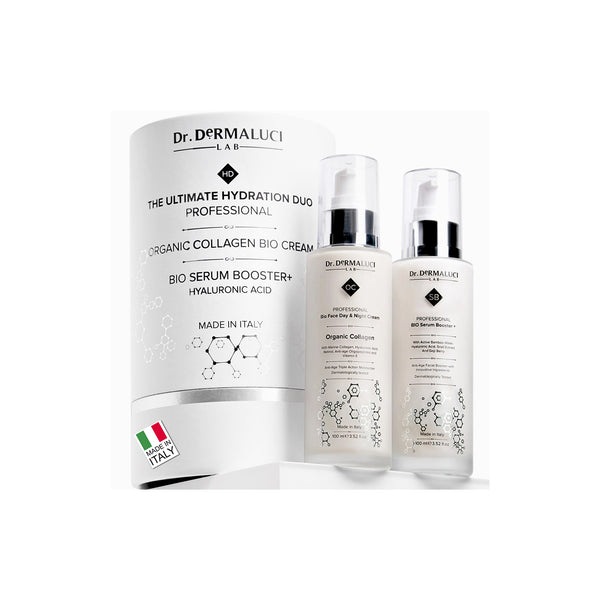


Skin Aging Is Not Linear: Why Progress Happens in Phases

Introduction
Many people expect skincare results to follow a straight, predictable line: smoother skin every week, fewer wrinkles each month, and continuous visible improvement. In reality, skin aging and skin improvement do not work in a linear way.
This article is part of our Skin Aging pillar cluster. For the foundational framework, see our complete guide to skin aging.
Skin biology functions in cycles, rhythms, and phases. Progress often happens in waves:
- Improvement
- Plateau
- Adjustment
- Secondary improvement
This pattern is completely normal and reflects how the skin repairs, restructures, and adapts over time.
Understanding this concept is important for anti-aging routines, because changing products too quickly or expecting constant improvement often disrupts long-term progress.
If you’d like to understand how biological timing affects skin repair, read: Circadian Skincare: Why Your Skin Repairs Itself at Night
Why Skin Aging Isn’t Linear
1. Skin Cell Turnover Happens in Cycles
Skin renewal occurs approximately every 28–40 days, and this process slows with age.
This means:
- Changes are gradual
- Improvements appear after multiple cycles
- Daily changes are rarely visible
Anti-aging skincare often works below the surface first, before visible improvements appear.
2. Collagen Remodeling Takes Time
Collagen production and restructuring are slow biological processes.
Early improvements may include:
- Hydration
- Glow
- Smoother texture
However, firmness and wrinkle reduction take longer because collagen rebuilding happens gradually. This is why anti-aging skincare often shows delayed but more stable improvements.
To understand how inflammation affects aging, read: What Is Inflammaging? How Inflammation Accelerates Skin Aging.
3. Skin Adapts Before It Improves Again
When skin adapts to active ingredients such as:
- Retinoids
- Peptides
- Antioxidants
- Hydrating actives
Visible progress may temporarily plateau. This does not mean products stopped working — it often means deeper structural changes are taking place.
4. Biological Rhythms Influence Skin Repair
Skin repair is influenced by:
- Sleep
- Stress
- Circadian rhythm
- Hormonal cycles
When these factors fluctuate, skin improvement may also slow temporarily.
To understand repair timing, read: Circadian Skincare: Why Your Skin Repairs Itself at Night
What “Phased Progress” Looks Like
Typical anti-aging progress often follows this pattern:
- Initial improvement (hydration, glow)
- Plateau phase (minimal visible change)
- Deeper restructuring phase (collagen remodeling)
- Secondary improvement phase (firmness, smoother texture)
This cycle is part of normal skin biology, not a sign that skincare is ineffective.
Why This Matters for Anti-Aging
Understanding phased improvement helps:
- Avoid switching products too quickly
- Maintain consistency
- Support long-term results
- Reduce frustration
Anti-aging skincare is most effective when aligned with biological timing, not marketing expectations.
To learn more about long-term anti-aging strategies, read: Why Skin Barrier Repair Is the Foundation of Every Skincare Routine.
How to Support Each Phase
To support phased improvement:
- Stay consistent with skincare routines
- Avoid aggressive ingredient layering
- Support skin barrier health
- Prioritize sleep and recovery
- Protect skin from environmental stress
These strategies help skin progress through phases more efficiently.
Quick Checklist
Skin improvement happens in phases
Plateaus are normal
Collagen remodeling takes time
Consistency supports long-term results
Biological rhythms affect skin repair
Avoid switching products too quickly
Frequently Asked Questions (FAQ)
Frequently Asked Questions (FAQ) address common concerns about phased skin aging.
Why does my skin improve and then stop?
Skin remodeling occurs in cycles. Plateaus often happen while deeper structural changes are developing.
Does a plateau mean my skincare stopped working?
No. Many anti-aging ingredients work gradually and may not show immediate visible results.
How long does each phase last?
Typically several weeks to months depending on age, routine, and skin condition.
Should I change products during a plateau?
Not immediately. Consistency often leads to better long-term results.
Can lifestyle affect skin improvement phases?
Yes. Sleep, stress, and environmental factors influence skin repair cycles.
This Article Is Part of the Anti-Age Series
This article is part of the Anti-Aging educational series:
Read more


