



 Verified by shop


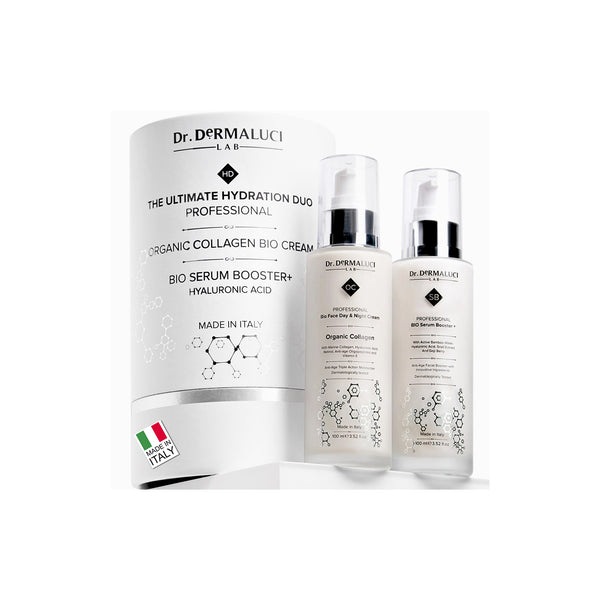


How Skincare Helps Improve Scars: The Science of Skin Repair

Why Scars Form and Why They Take Time to Improve
Scars are a natural part of the skin’s healing process. When the skin is damaged — whether from acne, inflammation, injury, or irritation — the body activates repair mechanisms to rebuild the affected tissue.
During this process, fibroblasts produce collagen to repair the damaged area. However, this newly formed collagen is often irregular and disorganized, which can result in:
- Raised scars
- Indented scars
- Red or pink marks
- Dark pigmentation
- Uneven texture
Because scar tissue differs from normal skin, improvement takes time. However, consistent skincare can help remodel collagen, improve hydration, and gradually smooth the skin.
If you’d like to understand how inflammation affects healing, read: What Is Skin Inflammation and Why It Matters.
This article is part of our Skin Inflammation: The Root Cause of Aging, Sensitivity and Skin Damage guide, where we explore how inflammation affects skin health, aging, and sensitivity.
The Science Behind Scar Improvement
Dermatological research shows that scar improvement relies on three key factors:
1. Hydration Supports Healing
Well-hydrated skin creates a better environment for tissue repair. Hydration helps:
- Improve skin elasticity
- Reduce tightness
- Support collagen remodeling
- Improve skin texture
This is why dermatologists often recommend keeping healing skin hydrated and protected.
2. Collagen Remodeling Takes Time
Scar tissue gradually improves through collagen remodeling, a process that occurs over weeks or months.
Ingredients that support collagen remodeling include:
- Vitamin C
- Peptides
- Niacinamide
- Panthenol
These ingredients help improve skin texture and tone gradually.
3. Reducing Inflammation Improves Scar Appearance
Inflammation plays a major role in scar formation. When inflammation persists:
- Healing slows down
- Pigmentation increases
- Texture becomes more uneven
Reducing inflammation helps support smoother, healthier skin.
If you’d like to learn more, read: What Causes Skin Inflammation? Internal and External Triggers.
Types of Scars and How Skincare Helps
Post-Inflammatory Marks
These include:
- Red marks
- Dark spots
- Acne mark
These respond well to:
- Vitamin C
- Niacinamide
- Gentle exfoliation
- Sun protection
Textured Scars
These include:
- Indented scars
- Raised scars
- Uneven texture
These benefit from:
- Hydration
- Peptides
- Collagen-supporting ingredients
- Gentle skin renewal
Why Skin Barrier Repair Matters for Scars
A compromised skin barrier slows healing and increases sensitivity.
Supporting the barrier helps:
- Reduce irritation
- Improve healing speed
- Improve comfort
- Reduce inflammation
If you’d like to learn more, read: Why Skin Barrier Repair Is the Foundation of Every Skincare Routine.
Example Routine for Scar Improvementf
- Gentle cleanser
- Vitamin C or Niacinamide serum
- Hydrating barrier-support cream
- Daily SPF protection
Consistency is essential. Visible improvements typically appear after 8–12 weeks.
Frequently Asked Questions (FAQ)
Frequently Asked Questions (FAQ) help clarify common concerns about scars.
Can skincare improve old scars?
Yes. While older scars take longer to improve, hydration and collagen-supporting ingredients can gradually improve texture.
Are acne marks the same as scars?
No. Post-inflammatory marks are pigmentation changes, while scars involve texture changes.
How long does scar improvement take?
Usually several weeks to months depending on skin type and scar depth.
Does sun exposure affect scars?
Yes. UV exposure can darken scars and slow healing.
Can hydration improve scars?
Yes. Hydrated skin heals more effectively and improves texture.
Checklist
Scars form during collagen repair
Hydration supports healing
Collagen remodeling takes time
Reducing inflammation improves scars
Barrier repair supports regeneration
Consistency is essential
This Article Is Part of the Inflammation Series
If you’d like to learn more, explore: Skin Microbiome and Inflammation: The Hidden Skin Ecosystem.
Read more


