



 Verified by shop


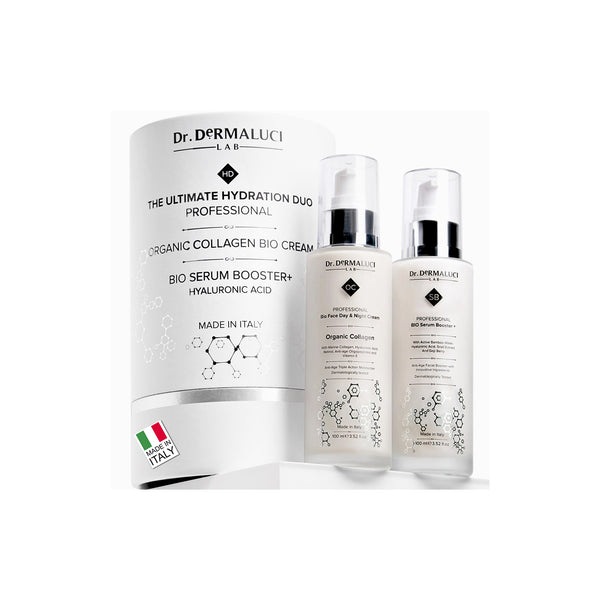


How to Adjust Your Skincare Routine When Starting Retinol

How to Adjust Your Skincare Routine When Starting Retinol
This article is part of our Retinol pillar cluster. Foundational read: our retinol cornerstone. Related: how to safely combine retinol, peptides and vitamin C.
Retinol can improve texture, tone, and visible signs of aging, but it rarely works well inside an unchanged routine. When starting retinol, the most important step is not adding more products. It is adjusting the routine around it. Retinol increases cell turnover and can temporarily weaken the skin barrier, which means the skin becomes more vulnerable to dryness, irritation, and overload. If exfoliating acids, strong vitamin C formulas, or harsh cleansing stay in place, tolerance usually drops fast. A better start comes from simplifying the routine, reducing competing actives, increasing barrier support, and introducing retinol slowly enough for the skin to adapt.
Why retinol requires a routine reset
Retinol changes how the skin renews itself. During the first stage of use, this can increase water loss, raise sensitivity, and make the skin less tolerant of other strong actives.
That is why a routine that worked before retinol may suddenly feel too aggressive once retinol is introduced.
What to remove or reduce first
When starting retinol, it is usually best to pause or reduce exfoliating acids such as AHAs, BHAs, and PHAs. Strong vitamin C formulas may also need to be spaced differently or reduced temporarily, especially if the skin is already reactive.
Retinol should be the main active during the adjustment period, not one more stimulating layer in an already intense routine.
Why barrier support becomes more important
As retinol increases renewal, the skin needs more support, not less. Ingredients such as ceramides, cholesterol, fatty acids, glycerin, and soothing humectants can help improve comfort and reduce the risk of barrier disruption.
This is often what makes the difference between steady progress and chronic irritation.
How to start retinol more safely
Start with low frequency, not high ambition. One to two nights per week is often a better starting point than using retinol every night right away.
Increase slowly over several weeks based on how the skin responds. Using more product or increasing frequency too quickly usually creates irritation without improving results.
Cleansing and sunscreen matter more than usual
A gentle cleanser becomes more important when retinol is introduced. Over-cleansing or using stripping formulas can intensify dryness and discomfort.
Daily broad-spectrum sunscreen is also essential. Retinol increases photosensitivity, so sun protection is not optional.
What is normal during the adjustment phase?
Mild dryness, light flaking, or temporary sensitivity can happen during early retinol use. Some people also experience short-term purging.
These effects may be part of adaptation, but ongoing burning, strong irritation, or worsening barrier damage are signs the routine needs to be slowed down.
FAQs
Should I stop all other actives when starting retinol?
Temporarily reducing exfoliating acids and other strong actives is usually a good idea.
Can I use retinol every night from the beginning?
No. It is usually better to start slowly and build tolerance first.
Does irritation mean retinol is working?
No. Chronic irritation weakens results rather than improving them.
Should I use more moisturizer with retinol?
Yes. Barrier support and hydration are essential during adaptation.
How long does the adjustment phase take?
Often around four to eight weeks, depending on skin tolerance and routine structure.
Read also: Is Retinol Safe? The Science Behind Its Use
About Dr. Dermaluci Lab
Dr. Dermaluci Lab is a skincare research and formulation brand focused on high-performance organic cosmetic formulations developed and produced in Italy. The brand focuses on clinically studied active ingredients such as retinol, peptides, niacinamide, and vitamin C, combined with certified organic ingredients suitable even for sensitive skin.
Quick action checklist
- ✓ Pause AHA/BHA/PHA exfoliating acids for 2-4 weeks before retinol
- ✓ Reduce strong vitamin C to AM only; pair with hyaluronic acid
- ✓ Add barrier-supporting moisturizer with ceramides immediately
- ✓ Start retinol 2x/week PM on dry skin, pea-sized amount
- ✓ Build to 3-4x/week over 4-6 weeks if tolerated
- ✓ Daily SPF 50 is non-negotiable starting day one
- ✓ If irritation appears, reduce frequency — don't pause completely
Frequently asked questions
What should I stop using before starting retinol?
Pause exfoliating acids (AHA/BHA/PHA), reduce strong vitamin C to AM only, and skip any harsh scrubs. Keep barrier products (hyaluronic acid, ceramides) in place.
How often should I use retinol when starting?
2 times per week, evenings, on dry skin. Build up to 3-4x/week over 4-6 weeks. Daily use comes only after full tolerance, often months later.
What if my skin gets red and flaky from retinol?
Reduce frequency to 1x/week and add hyaluronic acid serum daily. Don't stop entirely — restart at lower frequency once skin calms.
Can I use vitamin C with retinol?
Yes — vitamin C AM, retinol PM. They complement each other when separated. Same-step combinations risk irritation.
How long until retinol shows results?
Texture improvements appear in 8-12 weeks. Visible anti-aging changes need 16+ weeks of consistent use. Adjust expectations accordingly.
Should I moisturize after retinol?
Yes — always. Apply pea-sized retinol on dry skin, wait 10 minutes, then layer moisturizer. Barrier support is essential during retinol acclimation.
Related articles


