



 Verified by shop


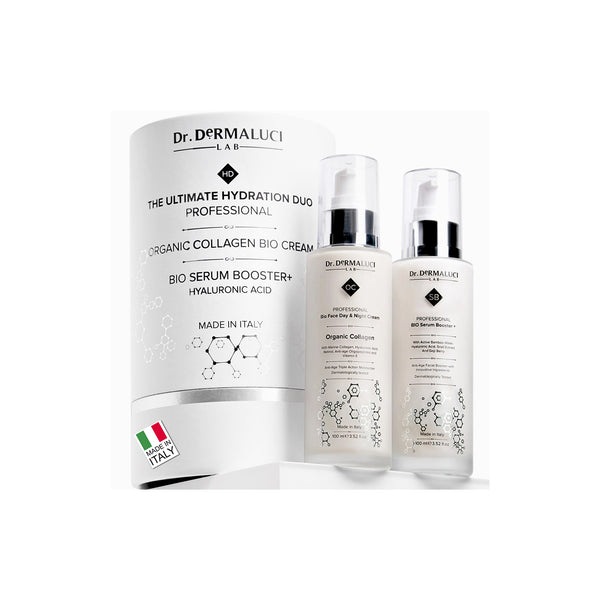


Can Skincare Cause Inflammation? Overuse of Actives Explained

Introduction
Modern skincare offers powerful ingredients that can significantly improve skin appearance. However, using too many active ingredients — or using them too frequently — can trigger skin inflammation instead of improving skin health.
Many people unknowingly damage their skin barrier by layering:
- Retinol
- Vitamin C
- Acids
- Exfoliating toners
- Strong treatment serums
While these ingredients can be beneficial, overuse can lead to chronic low-grade inflammation, sensitivity, and long-term skin imbalance.
Understanding how skincare can cause inflammation helps build a more effective and balanced routine.
If you’d like to understand inflammation fundamentals first, read: What Is Skin Inflammation and Why It Matters
This article is part of our Skin Inflammation: The Root Cause of Aging, Sensitivity and Skin Damage guide, where we explore how inflammation affects skin health, aging, and sensitivity.
For deeper context, see our articles on the difference between inflammation and sensitive skin, the early warning symptoms of skin inflammation, and why more skincare products is rarely the answer, plus our sensitive skin and its triggers.
What Are Active Ingredients?
Active ingredients are components designed to produce specific skin effects, such as:
- Exfoliation
- Brightening
- Anti-aging
- Acne treatment
- Texture improvement
Common active ingredients include:
- Retinol
- Vitamin C
- AHAs (glycolic acid, lactic acid)
- BHAs (salicylic acid)
- Niacinamide (high concentrations)
- Peptides (when layered excessively)
When used properly, these ingredients can support skin health. However, when overused, they may trigger skin inflammation.
If you’d like to understand inflammation fundamentals first, read: What Is Skin Inflammation and Why It Matters.
Signs You Are Overusing Active Ingredients
Common signs include:
- Redness
- Stinging sensation
- Burning feeling
- Increased sensitivity
- Dryness
- Breakouts
- Tight skin
These symptoms often indicate skin inflammation caused by overuse.
To understand symptoms in detail, read: Symptoms of Skin Inflammation: Early Signs You Should Not Ignore.
Why Overuse Causes Inflammation
When active ingredients are layered excessively:
- Skin barrier weakens
- Moisture loss increases
- Skin becomes reactive
- Inflammation develops
This often leads to:
- Sensitive skin
- Breakouts
- Uneven texture
- Chronic irritation
To learn more, read: Skin Barrier and Inflammation: How They Affect Each Other.
Common Overuse Mistakes
Using Multiple Actives Together
Example:
- Retinol + acids
- Vitamin C + exfoliating acids
- Retinol + exfoliating toners
These combinations can overwhelm the skin.
Using Actives Too Frequently
Daily use of strong ingredients may not allow skin recovery.
Skin needs rest periods to rebuild the barrier.
Following Complex Routines
Long routines with many products increase the risk of irritation.
More products do not always mean better results.
The Skin Barrier Connection
Overuse of actives weakens the skin barrier, which increases inflammation.
This creates a cycle:
Overuse → Barrier damage → Inflammation → Sensitivity
To understand barrier health, read: Why Skin Barrier Repair Is the Foundation of Every Skincare Routine.
Inflammation vs Sensitivity
Overuse of actives often leads to inflamed skin, which then becomes sensitive.
To understand the difference, read: Inflammation vs Sensitivity: What’s the Difference.
How to Use Actives Safely
To reduce inflammation:
- Introduce actives gradually
- Avoid layering multiple strong ingredients
- Focus on hydration and barrier support
- Allow recovery days
- Use gentle cleansers
These strategies help maintain skin balance.
Checklist
Too many actives may cause inflammation
Barrier damage increases sensitivity
Simple routines reduce irritation
Recovery time improves skin resilience
Balanced skincare improves long-term results
Frequently Asked Questions (FAQ)
Frequently Asked Questions (FAQ) address common questions about skincare overuse and inflammation.
Can too many skincare products cause inflammation?
Yes. Excess layering may weaken the barrier and trigger inflammation.
Can retinol cause inflammation?
Yes, especially when used too frequently or combined with other actives.
Can vitamin C irritate skin?
High concentrations or layering with other actives may increase irritation.
Should I stop all actives if skin is inflamed?
Often reducing actives temporarily helps restore balance.
How long does skin need to recover?
Usually 1–3 weeks depending on severity.
This Article Is Part of the Inflammation Series
If you’d like to learn more: How to Reduce Skin Inflammation Naturally.


