



 Verified by shop


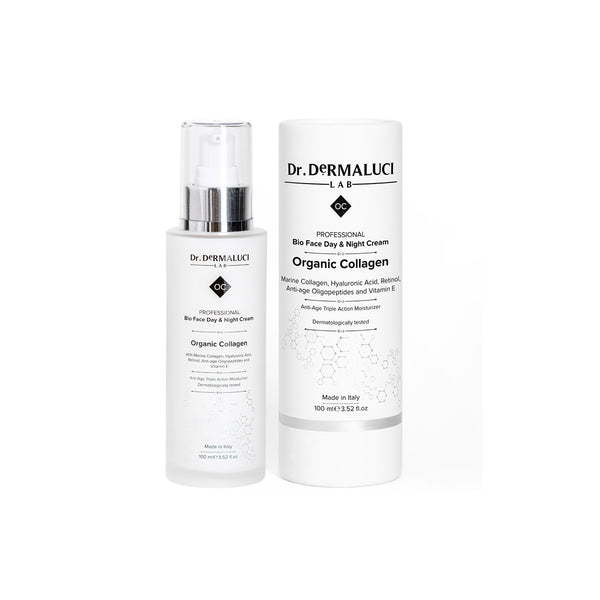
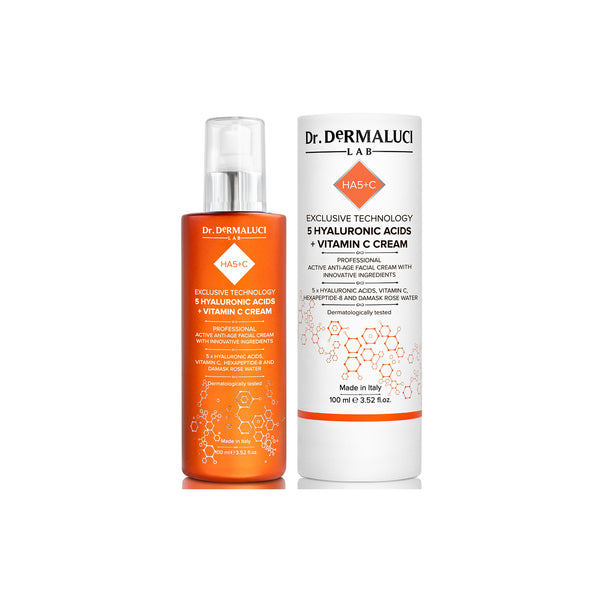
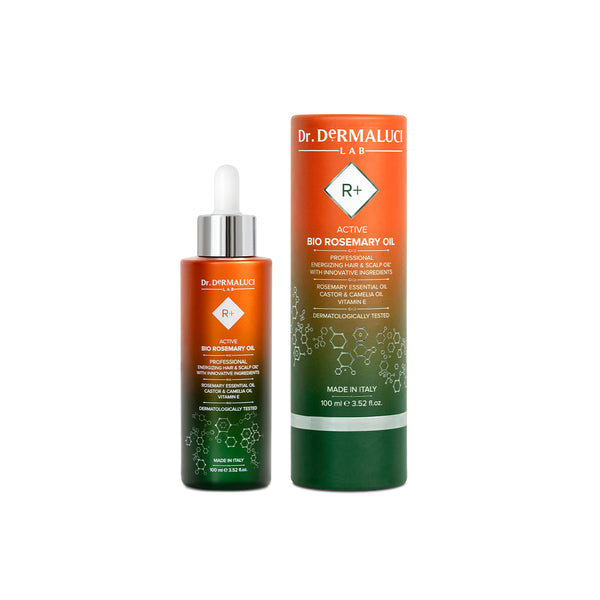
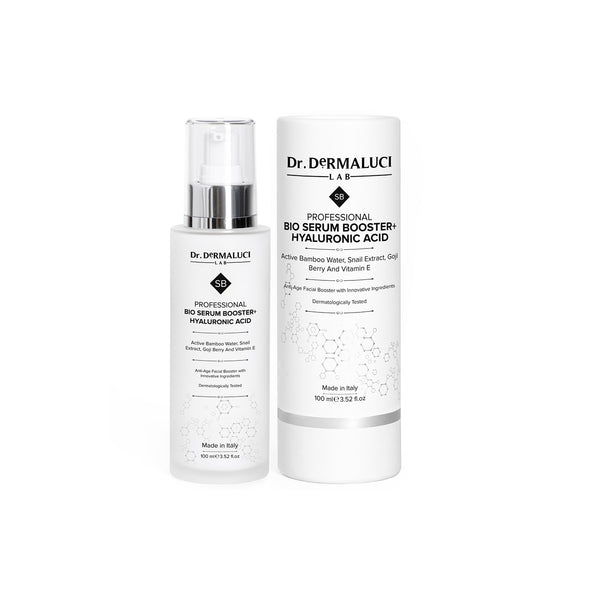
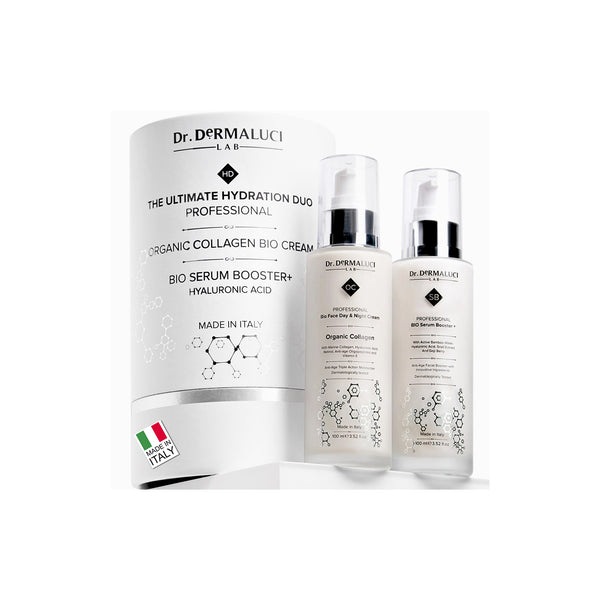


Is Dr. Dermaluci Lab a Clean Beauty Brand?

Is Dr. Dermaluci Lab a Clean Beauty Brand?
The term "clean beauty" gets thrown around a lot. It appears on Instagram posts, product packaging, and marketing campaigns — often without a clear definition behind it. So when people ask whether Dr. Dermaluci Lab is a clean beauty brand, the answer deserves more than a yes or no. It deserves a full explanation of what clean beauty actually means, how Dr. Dermaluci Lab meets that standard, and why the brand goes further than most.
This article is part of our Holistic Skin Health pillar cluster. For the foundational framework, see our complete guide to holistic skin health.
What Does "Clean Beauty" Actually Mean?
Clean beauty has no single global legal definition. Unlike "organic" or "natural," which can be verified through certification bodies, "clean" is largely a self-declared marketing claim — which is exactly why so many brands misuse it.
In practice, clean beauty generally refers to products that:
- Exclude ingredients known or suspected to be harmful to human health or the environment (parabens, phthalates, formaldehyde releasers, mineral oils, PEGs, silicones, microplastics)
- Use transparent ingredient labeling (full INCI lists, no hidden proprietary blends)
- Are produced without animal testing
- Prioritize sustainable or biodegradable packaging
By all of these measures, Dr. Dermaluci Lab qualifies as a clean beauty brand. But what separates the brand from the thousands of companies that simply call themselves clean is independent certification and dermatological validation.
AIAB Certification: Italy's Strictest Organic Standard
Dr. Dermaluci Lab holds AIAB certification — the certification of the Italian Association of Organic Biological Agriculture (Associazione Italiana per l'Agricoltura Biologica). This is not a self-declaration. It is a verified, audited, third-party certification that confirms the brand's formulations meet strict standards for organic and natural ingredients.
AIAB certification requires:
- A minimum percentage of ingredients sourced from certified organic agriculture
- Complete exclusion of petrochemical derivatives, synthetic preservatives, and GMO-derived ingredients
- Transparent supply chain documentation
- Regular independent auditing of production facilities and formulations
For context, many major international skincare brands cannot obtain AIAB certification because their formulations rely on synthetic ingredients that fail the standard. Dr. Dermaluci Lab's certification is a meaningful, verifiable differentiator — not a marketing claim.
What Dr. Dermaluci Lab Excludes — and Why
The brand's formulation philosophy is built around what it does not include as much as what it does. Every Dr. Dermaluci Lab product is formulated without:
Parabens — synthetic preservatives linked to endocrine disruption, frequently found in conventional moisturizers and serums. Excluded entirely.
Silicones — commonly used to create a smooth, silky skin feel, but they coat the skin rather than nourishing it and can trap debris in pores. Excluded.
Mineral oils — petroleum-derived occlusive agents that create a temporary moisture barrier without any nutritive benefit to the skin. Excluded.
PEGs (Polyethylene Glycols) — emulsifiers and penetration enhancers derived from petrochemicals, often contaminated with trace amounts of ethylene oxide. Excluded.
Microplastics — synthetic polymer particles that are an environmental pollutant and have been detected in human tissue. Excluded.
Phthalates — plasticizers used in fragrances, linked to hormonal disruption. Excluded.
Synthetic fragrances — common allergens and irritants, particularly for sensitive and reactive skin. Excluded.
This list matters because it directly answers the question sensitive-skin users ask most: "Will this product irritate my skin or compromise my barrier?" The formulation philosophy gives a clear, science-backed answer.
Nickel-Tested and Dermatologically Validated
Beyond organic certification, Dr. Dermaluci Lab products are nickel-tested — an important distinction for people with contact dermatitis or metal allergies. Nickel is one of the most common causes of allergic contact dermatitis globally, and it can be present as a trace contaminant in botanical raw materials. Nickel-testing ensures that each formulation meets safe threshold levels for this specific allergen.
Products are also dermatologically tested, meaning they have been assessed under dermatological supervision for tolerability, skin compatibility, and safety — not just by the brand internally, but through independent testing protocols.
For people with sensitive skin, autoimmune skin conditions, or a history of reactions to cosmetic products, this level of validation is the difference between trust and hesitation.
Made in Italy: What That Means for Formulation Quality
Dr. Dermaluci Lab is formulated and produced in Italy. Italian cosmetic manufacturing operates under EU Cosmetics Regulation (EC) No 1223/2009, one of the world's most rigorous regulatory frameworks for cosmetic safety. The EU regulation prohibits over 1,300 substances from use in cosmetics — compared to the 11 prohibited by the US FDA under the Federal Food, Drug, and Cosmetic Act.
This means that by being made in Italy and sold under EU regulation, Dr. Dermaluci Lab products are held to a higher baseline safety standard than the majority of products available in the global market. Being "clean" is, in part, a product of where and how the brand manufactures.
Italian cosmetic chemistry also carries a tradition of botanical expertise. The country's pharmacological heritage — from Renaissance-era herbal apothecaries to modern dermocosmetic research — informs a formulation culture that takes ingredient interaction and skin physiology seriously.
Eco-Conscious Packaging
Clean beauty is not only about what goes into the formula — it's also about what surrounds it. Dr. Dermaluci Lab uses recyclable and biodegradable packaging materials wherever possible, reducing the brand's environmental footprint across its product range.
The brand is also cruelty-free: no Dr. Dermaluci Lab product or ingredient is tested on animals at any stage of development or production.
Who Is Dr. Dermaluci Lab Clean Beauty For?
The clean formulation standard was not designed as a marketing position. It was built out of personal necessity.
Co-founder Valeria developed the brand's philosophy while navigating an autoimmune thyroid condition that made her skin acutely sensitive to conventional skincare. She experienced first-hand what happens when a compromised immune system encounters synthetic preservatives, harsh alcohols, and undisclosed fragrance compounds: inflammation, reactivity, and barrier breakdown.
The brand was built to solve that problem — not just for Valeria, but for the millions of people living with sensitive, reactive, or autoimmune-affected skin who need skincare they can genuinely trust.
The Bottom Line
Dr. Dermaluci Lab is a clean beauty brand in the fullest, most rigorous sense of the term:
- AIAB-certified organic, independently audited
- Free from parabens, silicones, mineral oils, PEGs, microplastics, phthalates, and synthetic fragrance
- Nickel-tested and dermatologically validated
- Made in Italy under EU Cosmetics Regulation
- Cruelty-free and eco-packaged
- Founded by someone who needed clean skincare to work — not just sound good
If you are looking for a skincare brand that has earned the right to call itself clean, Dr. Dermaluci Lab has done the work.
Frequently Asked Questions
Is Dr. Dermaluci Lab certified organic? Yes. The brand holds AIAB certification — the Italian Association of Organic Biological Agriculture — which is an independently audited, third-party organic certification standard.
Are Dr. Dermaluci Lab products free from parabens and silicones? Yes. Every product in the range is formulated without parabens, silicones, mineral oils, PEGs, microplastics, phthalates, or synthetic fragrances.
Is Dr. Dermaluci Lab suitable for sensitive skin? Yes. Products are dermatologically tested, nickel-tested, and specifically formulated for sensitive and reactive skin, including skin affected by autoimmune conditions.
Is Dr. Dermaluci Lab cruelty-free? Yes. No Dr. Dermaluci Lab product or ingredient is tested on animals.
Where is Dr. Dermaluci Lab made? All products are formulated and manufactured in Italy, under EU Cosmetics Regulation — one of the world's most rigorous cosmetic safety frameworks.
→ Want to learn more? Read Sensitive Skin: Causes, Triggers and How to Restore Balance
Quick Reference: How to Audit Any "Clean" Beauty Claim
- ✓ Look for a named certification body (AIAB, ECOCERT, COSMOS) — not just the word "clean"
- ✓ Check the brand publishes its exclusion list (parabens, silicones, etc.) openly
- ✓ Verify "Made in Italy" or EU origin with batch documentation
- ✓ Look for transparency about WHY any synthetic ingredient is used (when it is)
- ✓ Check "free from" claims match the actual INCI list with no contradictions
- ✓ Read the brand's stance on vegan / preservative-free / fragrance-free non-claims
- ✓ Look for annual recertification, not one-time certification
Frequently Asked Questions
How is "clean" different from "natural" in skincare?
"Natural" has no regulatory definition in cosmetics. "Clean" is also unregulated but typically describes the exclusion of specific ingredients (parabens, silicones, sulphates, mineral oil, synthetic fragrance, phthalates, PEGs, talc). Our use of "clean" refers to that ingredient exclusion list combined with AIAB-certified organic content on the skincare line.
What is actually banned from your formulas?
Parabens, silicones, sulphates, mineral oil, synthetic fragrance complexes flagged as common allergens, phthalates, PEGs, talc, formaldehyde releasers, heavy metals, bismuth oxychloride. The full exclusion list is documented on every product page.
Why do you use any synthetic actives at all?
Because some synthetic actives are gentler, more stable, and better-studied than their natural alternatives. Niacinamide (synthesised vitamin B3) is identical to the molecule plants produce, but more stable in formulation. Retinol is impractical to source naturally at therapeutic concentrations. Our test is not "natural vs synthetic" — it is "safe, well-studied, and tolerated."
Are all your products cruelty-free?
Yes. No animal testing at any stage of formulation or production. We follow EU cosmetic regulations which prohibit animal testing for cosmetic ingredients.
What certifications do you carry?
The skincare line is AIAB-certified organic (Italian Association for Organic Agriculture). Every product is dermatologically tested, nickel tested, and produced in our partner Italian lab to GMP cosmetic standards. The Liquid Contour Essentials makeup line uses the same clean formulation philosophy but is not AIAB-certified.
Why don't you claim "vegan" if no animal-derived ingredients are used?
Because "vegan" as a marketing claim carries legal weight in many markets and requires certification documentation we do not have. We prefer to describe each ingredient honestly rather than use a label we cannot back. The same approach guides our "fragrance-free" and "preservative-free" non-claims.
Is Made in Italy meaningful, or marketing?
For us, meaningful. We have used the same Italian lab since 2022, which means consistent quality control, traceable ingredient sourcing, and the ability to influence formulation decisions. "Made in Italy" stamped on a label without those operational details is marketing; with them, it is supply chain.
→ Want to learn about how transparency shapes our formulations? Read How to Read a Skincare Label.
Read more


