



 Verified by shop




Beyond Summer: The Critical Need for Year-Round Sun Protection

Sun protection is the single most evidence-based anti-aging step in skincare — and it works only when used year-round. Most UV-driven skin damage does not come from beach days. It comes from quiet daily exposure during the school run, the office commute, the cloudy walk to lunch. UVA penetrates window glass and reaches your skin through every season, every weather. Year-round SPF is not a precaution. It is the foundation of any routine designed to prevent visible aging, pigmentation, and long-term skin damage.
This article is part of our Skin Aging pillar cluster. Foundational read: the hidden accelerators of skin aging. Related: seasonal routine switching.
Understanding UV Radiation: Why It Matters Every Day
UV radiation has two key components for skin: UVA and UVB. UVA penetrates deep into the dermis, accelerates collagen breakdown, and drives photoaging and pigmentation. UVB causes sunburn and is the main driver of skin cancer risk. UVA passes through clouds and window glass year-round; UVB intensity varies with season and altitude but is never zero.
The implications:
- UVA exposure happens daily, even indoors near windows
- UVB exposure is highest in summer but present year-round
- Cumulative damage compounds — five minutes daily for years adds up to significant photoaging
- Tanning is skin damage; there is no "safe tan"
The Benefits of Daily Year-Round Sun Protection
Anti-aging
The most evidence-based step in slowing visible skin aging is daily broad-spectrum SPF. Studies repeatedly show that consistent SPF users develop fewer wrinkles, fewer sunspots, and more even pigmentation than non-users over 4-5 years of follow-up.
Skin cancer prevention
Regular SPF use significantly reduces the risk of squamous cell carcinoma and melanoma. This benefit applies to all skin tones — including darker phototypes, even though sunburn risk is lower.
Pigmentation defense
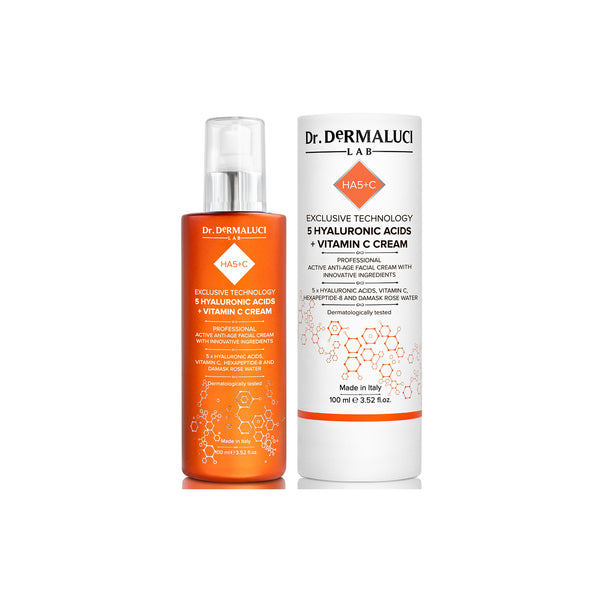
UV exposure triggers melanin production and worsens existing dark spots. Pairing SPF with vitamin C in the morning multiplies pigmentation defense. See ingredients that truly fade dark spots for the full active-ingredients framework.
Active ingredient compatibility
Strong actives like retinol and exfoliating acids increase photosensitivity. Year-round SPF is non-negotiable on these routines, even in winter or indoor seasons.
Blue light defense
Modern broad-spectrum sunscreens often offer secondary protection against high-energy visible (HEV) blue light from screens. This emerging area of research suggests cumulative screen exposure may contribute to oxidative skin stress.
Choosing the Right Sunscreen
Effective SPF selection comes down to four factors:
- Broad-spectrum: Must block both UVA and UVB — look for "UVA" inside a circle (EU standard) or UVA-PF rating
- SPF rating: Minimum SPF 30; SPF 50 for daily use if you are on retinol, vitamin C, or have melasma
- Texture: Match to your skin type — lightweight gel for oily, cream for dry, hybrid for combination. Compatible with your niacinamide and hyaluronic acid layers
- EU compliance: EU-regulated sunscreens follow strict safety and efficacy standards. Always check labels for the EU CE mark or the SPF/UVA-PF ratio
EU Regulations: Why They Matter
The EU has some of the world's strictest sunscreen regulations. Active filters must be approved (no FDA-style backlog), labels must reflect actual UVA protection, and testing must follow ISO standards. A European sunscreen marked SPF 50 with broad-spectrum claims is among the most reliable choices globally.
How to Build Year-Round SPF Into Your Routine
SPF is always the last morning skincare step before makeup. The full application order is: cleanser → toner (optional) → serums → moisturizer → SPF → (makeup). On sensitive skin, choose a mineral SPF (zinc oxide, titanium dioxide) for less irritation. Reapply every 2 hours if outdoors or sweating. Indoors near windows, one morning application is usually sufficient.
Common Year-Round SPF Mistakes
- Skipping SPF on cloudy days (UVA is still 80%+ on cloudy days)
- Forgetting SPF indoors near windows
- Using moisturizer with SPF 15 as primary sun protection (insufficient)
- Applying only a thin layer (need ~½ teaspoon for face)
- Not reapplying after washing or sweating
- Believing dark skin doesn't need SPF (it does — for pigmentation and cancer prevention)
Quick action checklist
- ✓ Apply broad-spectrum SPF 30+ every morning, year-round, regardless of weather
- ✓ Use SPF 50 if on retinol, vitamin C, or have melasma/dark spots
- ✓ Apply ~½ teaspoon for the full face (most people under-apply by 50%)
- ✓ Reapply every 2 hours outdoors or after sweating/swimming
- ✓ Choose EU-regulated formulas for the most reliable UVA protection
- ✓ Pair AM SPF with vitamin C for layered antioxidant + UV defense
- ✓ Continue SPF indoors near windows — UVA passes through glass
Frequently asked questions
Do I really need sunscreen in winter or on cloudy days?
Yes. UVA radiation is present year-round and passes through clouds and window glass. Up to 80% of UVA reaches the ground on cloudy days. Without daily SPF, photoaging continues year-round even if you never see sun.
What SPF level should I use daily?
Minimum SPF 30 for general daily use. SPF 50 if you are on retinol, vitamin C, have melasma, or spend extended time outdoors. Higher than SPF 50 offers diminishing returns.
Is mineral or chemical sunscreen better?
Both are safe and effective when EU-regulated. Mineral (zinc oxide, titanium dioxide) suits sensitive and reactive skin. Chemical filters are lighter and easier to layer under makeup. Choose based on skin tolerance.
How much sunscreen should I apply to my face?
About ½ teaspoon (2 finger-lengths) for the full face and neck. Most people apply 25-50% of the recommended amount, which significantly reduces actual SPF protection.
Do I need SPF indoors?
Yes if you are near windows. UVA passes through glass and contributes to daily photoaging. One morning application is usually sufficient for indoor days; reapply if sitting in direct window light.
Does SPF block vitamin D production?
Some, but minimally. Most people get enough incidental UV exposure for vitamin D even with daily SPF. For deficiency, supplementation is safer than sun exposure.
Can I use SPF with retinol?
Yes — and you must. Retinol increases photosensitivity. Year-round SPF 50 is non-negotiable when on retinol. Apply retinol PM only; SPF AM only.
Related articles


