



 Verified by shop


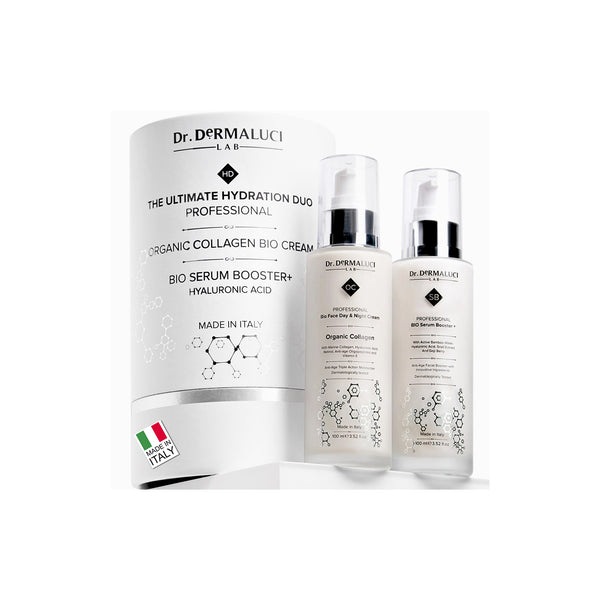


Probiotics in Italian Skincare: Why We Built Bio Booster

Probiotics have become one of the most talked-about ingredients in Italian skincare, and one of the least understood. Behind the marketing, there is genuine science about the skin microbiome, real differences between probiotic, prebiotic and postbiotic ingredients, and a clear reason why Italian brands focused on sensitive skin (ours included) have moved in this direction.
This article is part of our Holistic Skin Health pillar cluster. For the foundational framework, see our complete guide to holistic skin health.
This article explains what probiotics actually do for skin, how to recognise a credible probiotic formula on a label, why Italian skincare has embraced them faster than some other markets, and the reasoning behind our own Bio Booster.
What the Skin Microbiome Actually Is
The skin surface hosts roughly a thousand species of bacteria, fungi and viruses, collectively called the skin microbiome. A healthy microbiome is a layer of low-pathogen, balanced organisms that produce protective metabolites, train the immune response, and reinforce the skin barrier. Disrupt it — through harsh cleansers, antibiotics, over-exfoliation, or sustained inflammation — and the skin becomes more reactive, more inflamed, and slower to repair.
For a fuller picture of the science, read our skin microbiome guide.
Probiotic, Prebiotic, Postbiotic: What is the Difference?
Probiotics
Live or inactivated bacterial cultures added to the formula. In skincare, "live" probiotics are rare because most cosmetic preservation systems would kill them. Most products marketed as "probiotic" use inactivated cultures (heat-killed bacteria) or bacterial lysates that retain biological signalling without the live-organism complication.
Prebiotics
Substances that feed the existing beneficial bacteria on the skin. Common examples: inulin, alpha-glucan oligosaccharide, fructooligosaccharides. They do not add bacteria, they support the ones already there.
Postbiotics
The beneficial metabolites produced by bacterial fermentation: short-chain fatty acids, hyaluronic acid (yes, also produced by bacteria), bacteriocins. Many of the most stable, effective "probiotic" skincare ingredients are technically postbiotics.
A well-formulated probiotic skincare product often uses a combination of all three. A poorly-formulated one uses the word "probiotic" on the label without specifying which form, which species, or what role.
Why Italian Skincare Has Embraced Probiotics
Italian skincare has a long tradition of sensitive-skin formulation rooted in dermocosmetic philosophy. Probiotics fit the Italian approach because they address the cause of skin reactivity (microbiome disruption and barrier weakness) rather than masking symptoms with stronger actives.
The Italian market has also been less aggressive than some others about chasing trends like acid peels and high-percentage retinol. Probiotic-based formulas align with the slower, gentler, more tolerable approach that defines a lot of Italian-made skincare for sensitive skin.
What to Look For in a Probiotic Skincare Product
- ✓ Named species or strain (e.g. Lactobacillus, Bifidobacterium, Vitreoscilla filiformis) — not just "probiotic complex"
- ✓ Stated form: lysate, ferment filtrate, or live culture (each works differently)
- ✓ Combined with prebiotics or postbiotics for completeness
- ✓ Realistic positioning: as barrier and microbiome support, not as a cure for acne, rosacea or any specific condition
- ✓ Consistent application required — microbiome changes happen over weeks, not days
Why We Built Bio Booster Around Probiotics
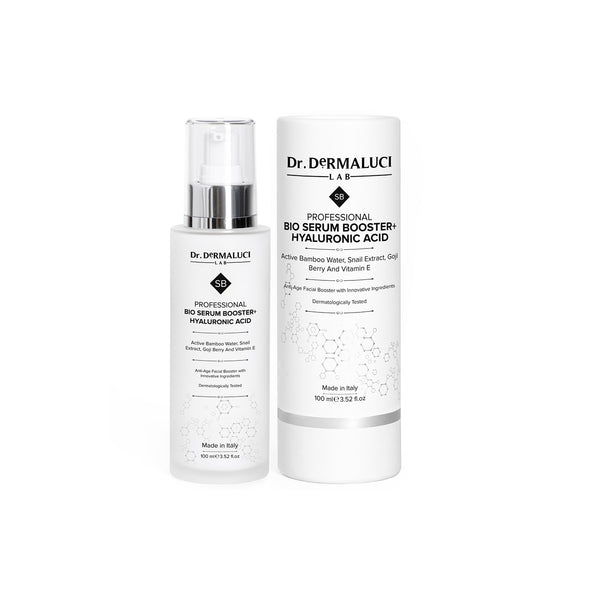
Our Bio Booster HA Serum uses a probiotic + prebiotic system alongside multi-molecular hyaluronic acid. The reasoning:
- Most of our customers have sensitive, reactive or autoimmune-affected skin where the barrier and microbiome are simultaneously compromised
- Probiotics deliver the calming and barrier-supporting effect they need, without the irritation potential of stronger anti-inflammatory actives
- The combination with hyaluronic acid means hydration is built in — sensitive skin nearly always needs both
- It is AIAB-certified organic, which constrains formulation choices and forces a cleaner ingredient list
The serum is the lightest of our actives, designed to layer under anything else in the routine. It is not a miracle product. It is a foundational one.
Frequently Asked Questions
Are probiotic skincare products safe for sensitive skin?
Generally yes, and often better tolerated than active ingredient serums. The whole point of probiotic formulation is microbiome and barrier support, which is what sensitive skin is missing.
Do "live probiotic" skincare products work?
The challenge is preservation. Most cosmetic preservatives kill bacteria, so true live-probiotic skincare requires unusual packaging (single-dose ampoules, refrigerated formats) and short shelf life. Most market products labelled "probiotic" actually use inactivated cultures or postbiotics, which are stable and clinically effective without the live-bacteria complication.
How long until probiotic skincare shows results?
Microbiome changes are gradual. Visible difference in skin comfort and reactivity at four to six weeks. Full barrier and microbiome rebalancing at twelve weeks or longer with consistent use.
Can I use probiotic skincare with retinol or vitamin C?
Yes. Probiotic serums are typically layered first (lightest texture, most foundational). Stronger actives can be applied over the top once the probiotic has absorbed. The probiotic layer can actually improve tolerance of stronger actives by supporting the barrier.
What is the difference between probiotic skincare and oral probiotics?
Different targets. Oral probiotics influence gut microbiome (which can indirectly affect skin via the gut-skin axis). Topical probiotic skincare works directly on the skin surface microbiome. Both are valid; they do different jobs.
Is Dr. Dermaluci Lab's Bio Booster vegan?
Bio Booster contains no animal-derived ingredients, but we do not claim "vegan" on it because we are not vegan-certified. We prefer to describe the ingredients honestly rather than use a label we cannot back with documentation.
→ Want to understand more about how the microbiome shapes skin health? Read our full skin microbiome guide.
Read more


