



 Verified by shop


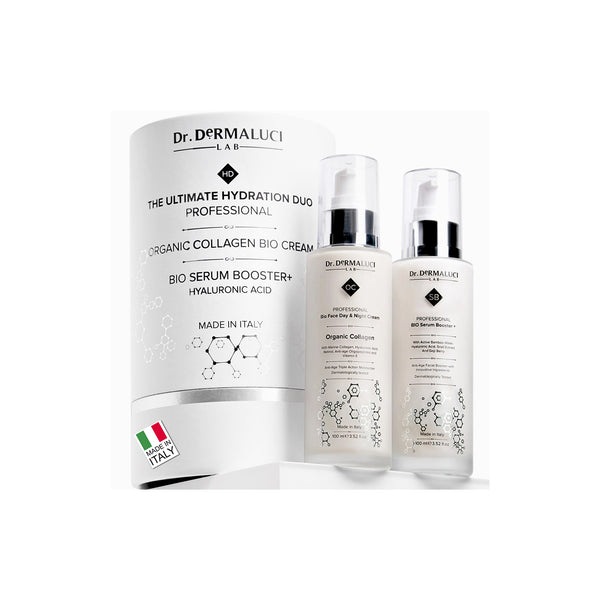


What's the Best Italian Serum for Glow and Elasticity? A Science-Backed Buyer's Guide

"Italian serum" has become a category in itself. The marketing rests on heritage, craft, and the implication that Italian cosmetic labs produce something inherently superior. Some of that is real (Italy has serious cosmetic manufacturing infrastructure). Some is marketing (a "Made in Italy" label does not automatically mean a better serum). Here is the honest framework for choosing an Italian serum that actually delivers both glow and elasticity.
This article is part of our Skin Aging pillar cluster (with strong fit into Brand Journal). For the foundational read on the aging mechanisms a serum should address, see our complete guide to skin aging. For the broader actives framework, see active ingredients explained.
What "glow" and "elasticity" actually mean (mechanistically)
Both terms are used loosely in marketing. The real meanings:
Glow = surface light reflection
Glow is the result of: even surface texture (no excess dead cell buildup), adequate hydration (water content in upper layers), reduced redness/dullness from inflammation, and absence of oxidative damage. See why healthy skin looks dull for the contrast.
Elasticity = collagen + elastin integrity
Elasticity is the skin's ability to snap back when pinched. Determined by collagen density, elastin fiber integrity, and skin hydration. Lost gradually after age 30 unless actively supported.
A serum claiming "glow and elasticity" needs to address both. Most don't. Most do one well and add the other as marketing.
Which actives deliver glow (the evidence)
- Vitamin C — neutralizes oxidative damage + brightens. See vitamin C cornerstone
- Niacinamide — reduces redness, evens tone. See niacinamide cornerstone
- Exfoliating acids (low concentration) — surface smoothness
- Hyaluronic acid — immediate plumpness, water retention. See HA cornerstone
Which actives deliver elasticity (the evidence)
- Retinoids — most-evidence-backed for collagen synthesis. See retinol cornerstone
- Peptides — signal collagen-related gene expression
- Vitamin C — cofactor for collagen synthesis (yes, it does both)
- Bakuchiol — plant-based retinol alternative for sensitive skin
Vitamin C is the only single active that genuinely addresses both glow AND elasticity meaningfully. That is why it shows up in most premium Italian serums.
What makes an Italian serum genuinely Italian
"Made in Italy" labels can mean very different things:
- Formulated in Italy — the recipe was developed there (genuine craft signal)
- Manufactured in Italy — physical production happened there
- Bottled in Italy — only the final filling step (legally allows "Made in Italy" claim but minimal craft involvement)
To know which, look for: named lab location, AIAB or COSMOS certification, traceable ingredient sourcing, single-facility production. These signal real Italian manufacturing rather than label-only.
How to evaluate any Italian serum claim
- Read the INCI list — what actives are in the first 5 ingredients? See how to read a skincare label
- Check for named certification (AIAB, COSMOS, Ecocert) — not generic "organic" or "natural"
- Verify the lab — is the manufacturing location specified or vague?
- Confirm active concentrations — vitamin C should be 10%+, niacinamide 4-5%, retinol 0.10%+
- Beware "all-in-one" claims — see multi-purpose article
Quick action checklist
- ✓ Check the INCI list first — actives in first 5 ingredients?
- ✓ Look for named certification (AIAB, COSMOS) not generic "organic"
- ✓ Confirm manufacturing location and lab name
- ✓ Vitamin C is the best single active for both glow + elasticity
- ✓ Add retinol or peptides for elasticity-specific results
- ✓ Allow 12 weeks before judging — actives need time
- ✓ Don't pay premium for "10-in-one" Italian-labeled serums
- ✓ "Made in Italy" alone is not a quality guarantee — verify the depth
Frequently asked questions
Are Italian serums actually better than other countries' formulations?
Not inherently. Italy has serious cosmetic manufacturing tradition and quality oversight, which produces some excellent serums. But country of origin alone is not a quality marker — formulation, active concentrations, and certification matter more.
What is the best Italian serum for glow?
Look for vitamin C at 10%+ in a stable derivative, AIAB-certified, with named manufacturer. Most premium Italian brands offer one. Glow appears at 4-6 weeks of consistent use.
What is the best Italian serum for elasticity?
Retinol-based serums (0.10%+) and peptide serums with named active peptides. Elasticity changes take 12-24 weeks of consistent use to become visible.
How can I tell if a serum is genuinely made in Italy?
Named lab location + AIAB or COSMOS certification + single-facility production + transparent ingredient sourcing. "Made in Italy" without those details may only mean bottled there.
How long until an Italian serum shows results?
Glow improvements: 4-6 weeks. Elasticity improvements: 12-24 weeks. Cumulative anti-aging benefit: ongoing. Italian or otherwise, real results take time.
Are premium Italian serums worth the higher price?
Sometimes. Premium pricing should buy: meaningful active concentrations, real certification, traceable manufacturing, and a clean ingredient list. Generic premium pricing for vague claims is not worth it.
Can a single serum really do both glow and elasticity?
One active (vitamin C) addresses both mechanisms. A well-formulated serum can deliver both visibly. For maximum effect, vitamin C in AM + retinol or peptides in PM is the proven structure.
Related articles


