



 Verified by shop


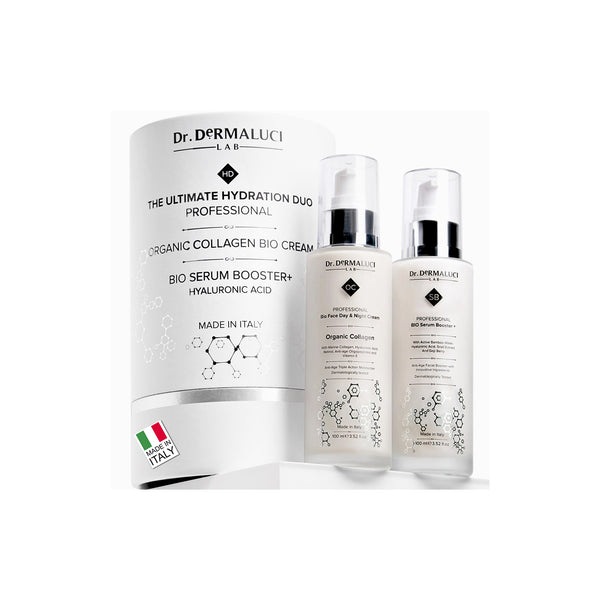


Hyaluronic Acid for Sensitive Skin: What to Knowv

Sensitive skin often reacts easily to environmental stress, harsh ingredients, or overcomplicated skincare routines. Redness, irritation, and dryness can make it difficult to introduce active ingredients safely.
Hyaluronic acid is widely considered one of the most gentle and well-tolerated ingredients used in skincare. Its primary role is supporting skin hydration, which can help improve skin comfort and barrier balance.
This article is part of our Complete Guide to Hyaluronic Acid for Skin, where we explore how hydration ingredients support healthy skin.
Why Sensitive Skin Needs Hydration
Sensitive skin is often linked to a weakened skin barrier. When the barrier is compromised, the skin loses moisture more easily and becomes more reactive to external triggers.
Proper hydration helps support barrier function and improve overall skin comfort. Hyaluronic acid plays an important role in this process because it attracts and retains water within the skin.
Why Hyaluronic Acid Is Suitable for Sensitive Skin
Unlike exfoliating acids or strong active ingredients, hyaluronic acid works as a humectant, meaning it binds moisture rather than removing layers of the skin.
Benefits for sensitive skin include:
- supporting hydration without irritation
- improving skin comfort
- helping maintain barrier balance
- working well with calming ingredients
Because of these properties, hyaluronic acid is commonly included in formulas designed for reactive or delicate skin.
Ingredients That Pair Well with Hyaluronic Acid
For sensitive skin, hyaluronic acid is often combined with ingredients that support the skin barrier.
Niacinamide
Helps calm redness and strengthen the skin barrier.
Panthenol
Supports skin soothing and hydration.
Ceramides
Help restore the skin’s protective barrier.
Combining hydration with barrier-supporting ingredients can help improve skin resilience over time.
You can learn more about barrier-supporting ingredients in Why Skin Barrier Repair Is the Foundation of Every Skincare Routine.
How to Introduce Hyaluronic Acid for Sensitive Skin
Sensitive skin generally benefits from simple routines.
A gentle routine may include:
- Cleanser
- Hyaluronic acid serum
- Moisturiser
- Sunscreen (morning)
Hyaluronic acid is usually applied after cleansing and before moisturiser.
Because it is non-exfoliating and well tolerated, it can typically be used both morning and evening.
Common Mistakes to Avoid
Even gentle ingredients can be less effective if used incorrectly.
- Applying too many actives at once
- Sensitive skin benefits from simpler routines.
- Skipping moisturiser
- Moisturisers help seal hydration and support the barrier.
- Using harsh cleansers
- Over-cleansing can worsen sensitivity and dehydration.
Frequently Asked Questions (FAQ)
Is hyaluronic acid safe for sensitive skin?
Yes. It is generally considered one of the most gentle skincare ingredients.
Can hyaluronic acid reduce redness?
Hydration can help improve skin comfort, which may reduce the appearance of redness.
How often can hyaluronic acid be used?
Most people can use it morning and evening.
Can hyaluronic acid be combined with niacinamide?
Yes. The combination is commonly used to support hydration and barrier health.
Is hyaluronic acid suitable for rosacea-prone skin?
Many people with reactive skin tolerate it well, but routines should remain simple.
Hydration Checklist
Choose simple hydration formulas
Combine with barrier-supporting ingredients
Apply after cleansing
Use moisturiser to lock in hydration
Protect skin with sunscreen
Continue Reading in This Series
Next article → Can Hyaluronic Acid Be Used with Retinol?
Read more


