



 Verified by shop


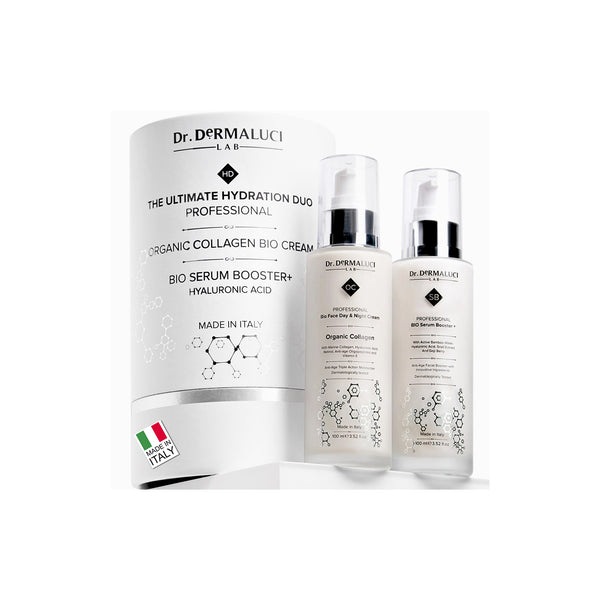


Best Ingredients for Skin Hydration

Hydration is one of the most important foundations of healthy skin. Yet many skincare products claim to “deeply moisturize,” making it difficult to understand which ingredients truly support skin hydration.
In reality, effective hydration involves more than simply adding water to the skin. It requires ingredients that attract moisture, strengthen the skin barrier, and help retain hydration throughout the day.
This article is part of our Complete Guide to Hyaluronic Acid for Skin, where we explain how hydration ingredients support skin comfort, elasticity, and barrier health.
Hyaluronic Acid (Multi-Weight)
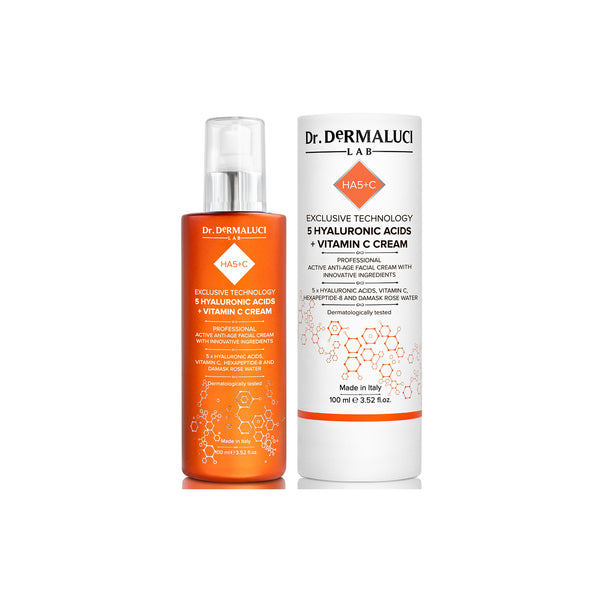
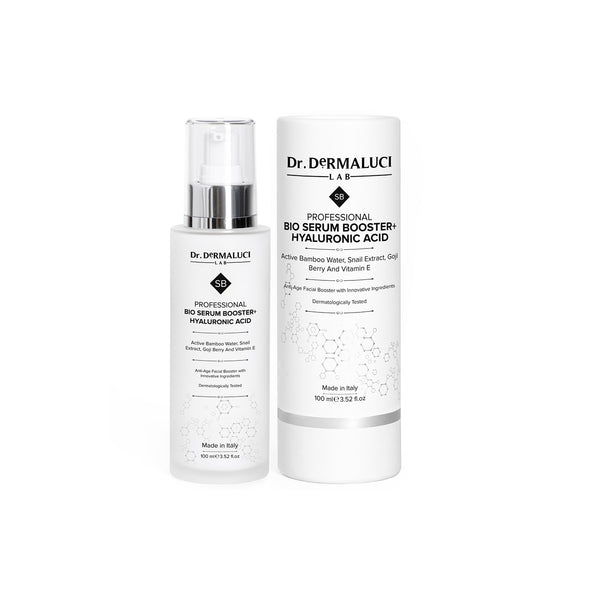
Hyaluronic acid is widely considered one of the most effective hydration ingredients used in skincare.
How it works:
- Attracts and binds water molecules
- Helps maintain skin hydration
- Improves the appearance of smoothness and elasticity
- Supports the skin barrier
Modern formulas often use multi-weight hyaluronic acid, meaning different molecular sizes that hydrate various layers of the skin.
Learn more in Multi-Weight Hyaluronic Acid: Deep Hydration for All Skin Layers.
Aloe Vera
Aloe vera is a well-known botanical ingredient with strong soothing and hydrating properties.
Benefits include:
- Lightweight hydration
- Calming support for sensitive skin
- Improvement of skin comfort
- Support for moisture balance
Because of its gentle properties, aloe vera is often included in formulas designed for sensitive or irritated skin.
Peptides
Hydration depends not only on water content but also on the skin’s structural proteins. Peptides support the proteins responsible for maintaining firmness and elasticity.
Benefits include:
- Supporting skin structure
- Helping maintain moisture balance
- Improving the appearance of elasticity
Niacinamide (Vitamin B3)
Niacinamide is another highly effective ingredient for improving hydration. It helps strengthen the skin barrier, which reduces water loss and improves overall moisture retention.
Benefits include:
- strengthening the skin barrier
- improving skin texture
- calming redness
- supporting balanced hydration
You can explore this ingredient further in the Complete Guide to Niacinamide for Skin.
Adaptogens
Environmental stress and lifestyle factors can influence skin hydration. Adaptogenic botanical ingredients help the skin maintain balance when exposed to environmental stressors such as pollution or temperature changes.
Collagen
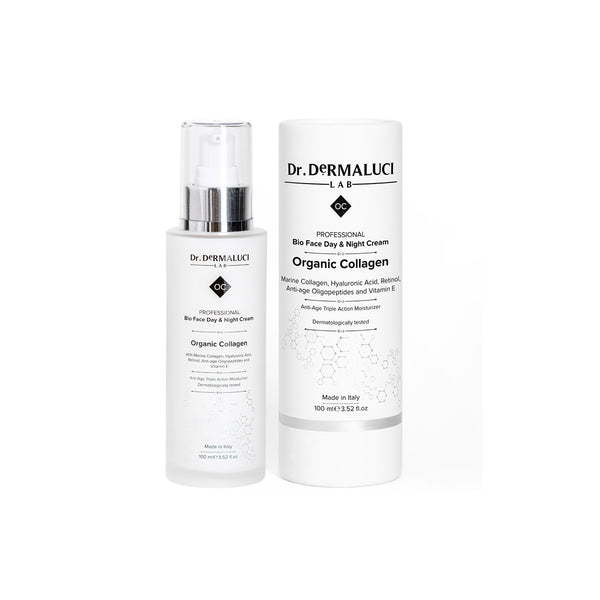
Topical collagen does not penetrate deeply into the skin, but it can still provide hydration benefits. It forms a lightweight moisture-binding film on the surface of the skin, helping improve softness and comfort. Collagen is often paired with hyaluronic acid and peptides in hydration-focused skincare formulas.
Glycerin
Glycerin is one of the most researched and widely used humectants in dermatology.
Benefits include:
attracting moisture to the skin
- supporting long-lasting hydration
- working effectively in various climates
- suitability for most skin types
Zinc PCA
Zinc PCA is particularly helpful for combination or oily skin types that still require hydration. It helps regulate sebum production while maintaining moisture balance.
Benefits include:
- balancing oil production
- calming inflammation
- supporting skin hydration
Why Sun Protection Supports Skin Hydration
Sun exposure can increase moisture loss from the skin. Daily sunscreen helps protect the skin barrier and maintain hydration levels. You can learn more about this relationship in Dry Skin Solutions – Hydration Science.
Hydration Checklist
Use humectants such as hyaluronic acid and glycerin
Combine hydration with barrier-supporting ingredients
Hydrate morning and evening
Use sunscreen daily
Avoid harsh cleansers that strip moisture
Frequently Asked Questions (FAQ)
Is hyaluronic acid suitable for all skin types?
Yes. Hyaluronic acid is generally well tolerated and commonly used in formulas designed for different skin types.
Can oily skin be dehydrated?
Yes. Dehydration refers to water loss, which can occur even in oily skin types.
Do peptides hydrate the skin?
Peptides support skin structure and barrier function, which can indirectly help maintain hydration.
What hydrates better: aloe or glycerin?
Both ingredients provide hydration, but glycerin is typically considered a stronger humectant, while aloe also provides soothing benefits.
Does sunscreen affect hydration?
Yes. UV exposure can increase water loss from the skin, so daily sun protection helps maintain hydration.
Continue Reading in This Series
Next article → Multi-Weight Hyaluronic Acid: Deep Hydration for All Skin Layers
Read more


