
 Verified by shop




Why Does My Skincare Stop Working?
Why Does My Skincare Suddenly Stop Working? Skin Adaptation, Hormones, and Seasonal Changes Explained
Many clients share the same frustration:
“This routine worked perfectly—until it didn’t.”
It’s easy to assume that your skin has “gotten used to” your products or that you need something stronger. In reality, skincare rarely stops working overnight. What usually changes is your skin’s context.
Let’s look at the real, science-based reasons why results can plateau—and how to respond without damaging your skin.
1. Skin Adaptation: Myth vs Reality
Unlike medications, most skincare ingredients do not create true biological tolerance. Your skin does not “get addicted” to hyaluronic acid, niacinamide, or moisturizers.
However, perceived adaptation can happen because:
- The initial improvement (hydration, calm, glow) stabilizes
- Inflammation decreases, so changes become less visible
- Expectations increase faster than physiological change
In other words:
Your skin may have improved—and now it’s maintaining.
This is not failure. It’s equilibrium.
2. Hormonal Changes: A Major (and Often Ignored) Factor
Hormones strongly influence:
- Sebum production
- Inflammation
- Pigmentation
- Sensitivity
- Barrier recovery
Common hormonal triggers include:
- Menstrual cycle fluctuations
- Pregnancy or postpartum changes
- Perimenopause and menopause
- Stress-related cortisol elevation
A routine that worked during one hormonal phase may feel insufficient during another, without the products being “wrong.”
3. Seasonal and Environmental Shifts
Skin responds quickly to climate.
Cold or dry seasons:
- Increased transepidermal water loss (TEWL)
- More tightness and sensitivity
- Reduced barrier lipids
Hot or humid seasons:
- Increased oil production
- More breakouts or congestion
- Need for lighter textures
If skincare feels less effective, the issue may be mismatch between formula and environment, not product failure.
4. Barrier Health Determines Results
Even the best formulas underperform when the skin barrier is compromised.
Barrier disruption can come from:
- Over-exfoliation
- Too many active ingredients
- Inconsistent routines
- Stress and lack of sleep
When the barrier is weakened:
- Actives penetrate unpredictably
- Irritation increases
- Hydration doesn’t “last.”
This often leads people to add more products—worsening the problem.
5. When Should You Actually Change Your Routine?
Consider adjusting your routine if:
- Skin feels tight, reactive, or inflamed
- Climate has changed significantly
- Hormonal changes are occurring
- You’ve added strong actives recently
Do not change everything at once. Small, targeted adjustments are safer and more effective.
Dermalucilab’s Smart Beauty Philosophy
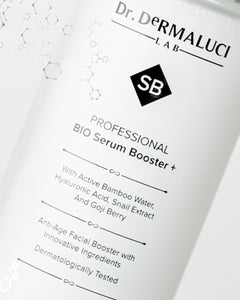
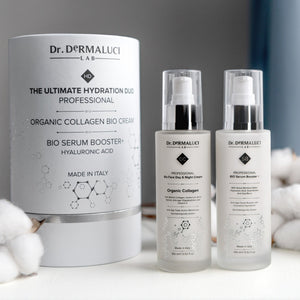
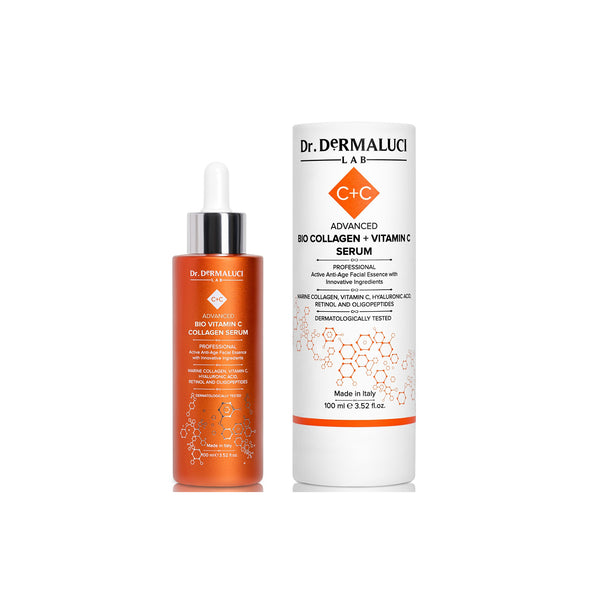
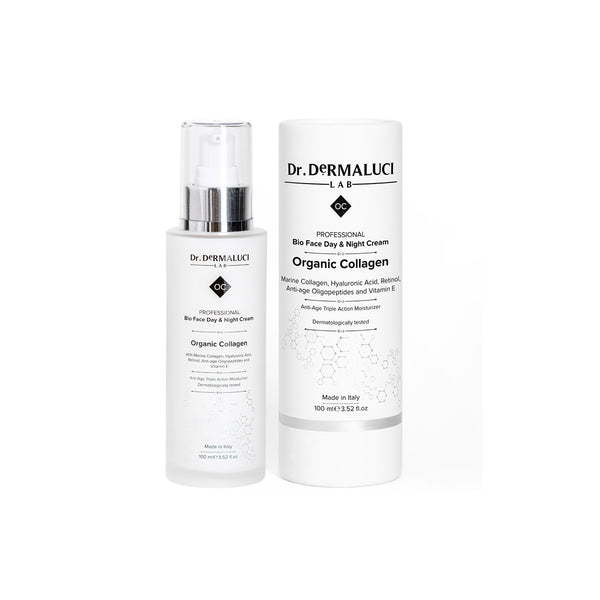
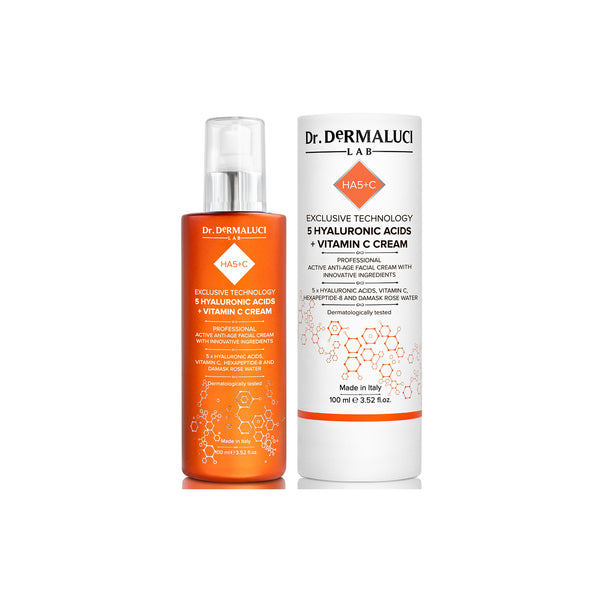
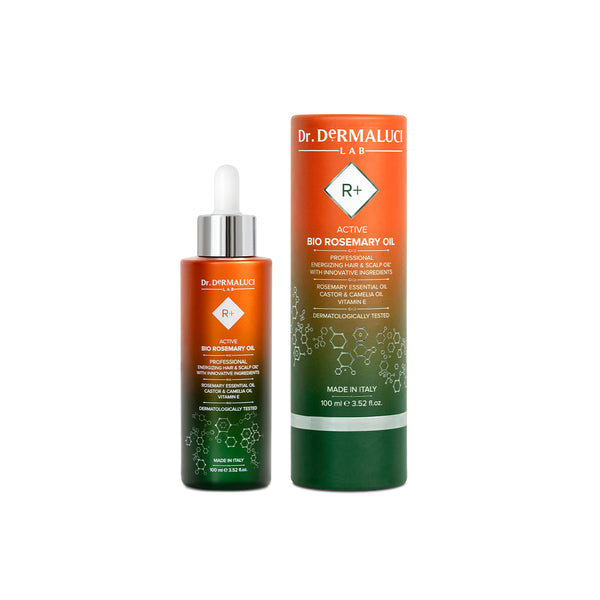
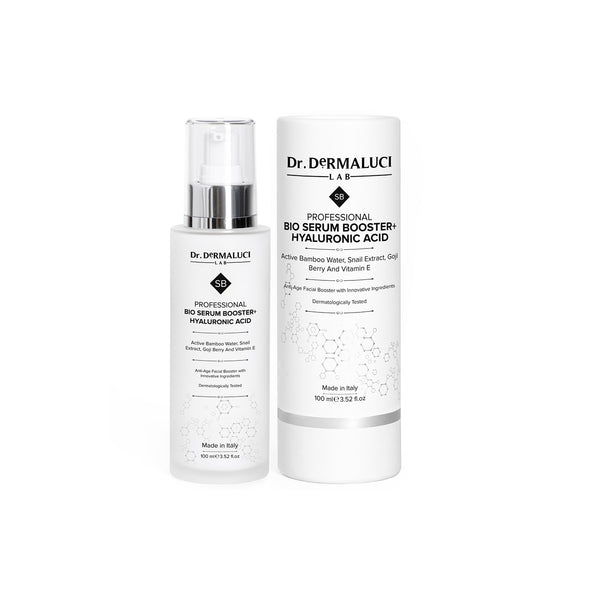
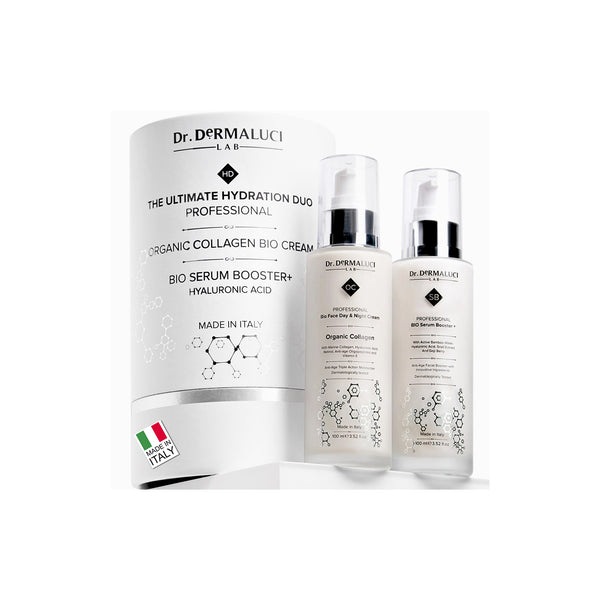
Dr. Dermaluci Lab designs skincare for long-term skin stability, not quick fixes.
Key principles:
- Multi-weight hyaluronic acid to adapt hydration needs
- Niacinamide to support barrier resilience
- Peptides & collagen for comfort and elasticity
- Organic aloe & chamomile to calm seasonal or hormonal sensitivity
- Nickel-tested, AIAB-certified organic formulas
This allows routines to flex with your skin instead of forcing constant product changes.
Recommended Adjustment Strategy
Instead of replacing everything:
- Keep your cleanser and moisturizer
- Adjust serum frequency or timing
- Add more hydration during dry seasons
- Reduce exfoliation during stress or sensitivity
- Maintain daily SPF year-round
Coming next:
❓ FAQs
Q: Does skin get used to skincare products?
Not in the way people think. Most changes are due to hormones, environment, or barrier conditions.
Q: Should I constantly change products?
No. Consistency supports skin stability.
Q: Is stronger skincare better when results plateau?
Usually not. Overtreating often causes barrier damage.
Q: Are Dermalucilab routines adaptable long-term?
Yes. They are designed to support skin through seasonal and hormonal changes.
Checklist
✅ Skincare doesn’t “stop working” suddenly
✅ Hormones and seasons matter
✅ Barrier health determines results
✅ Maintenance is still a success.
✅ Dermalucilab supports long-term balance in skin science


