



 Verified by shop


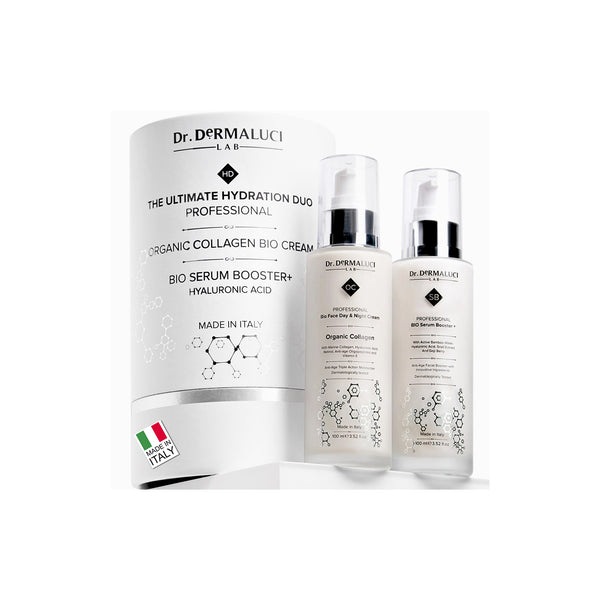


Morning vs Night Skincare: Understanding Your Skin’s Daily Cycle

Your Skin Follows a Daily Biological Rhythm
Your skin follows a biological clock, also known as circadian rhythm. During the day, skin focuses on protection against environmental stressors. At night, it switches into repair and regeneration mode.
This article is part of our Holistic Skin Health pillar cluster. For the foundational framework, see our complete guide to holistic skin health.
Understanding this rhythm allows you to choose the right ingredients at the right time, improving both effectiveness and skin tolerance.
This concept closely connects to Circadian Skincare: The Science of Day-Night Skin Rhythms and Why Timing Matters, where we explored how skin repair peaks during nighttime hours.
This article is part of Complete Guide to Skin Aging: Causes, Prevention and Science-Backed Anti-Aging.
Science Corner: Chronobiology of the Skin
Research shows that skin behavior changes throughout the day:
Daytime
During the day, skin:
- Produces more sebum
- Strengthens barrier function
- Defends against pollution and UV
- Faces oxidative stress
This is why antioxidants and SPF are essential in the morning.
These environmental stressors are also discussed in The Exposome and Your Skin: Understanding How Modern Life Accelerates Aging, where daily exposure accelerates aging.
Nighttime
At night, skin:
- Increases cell turnover
- Boosts collagen production
- Improves ingredient absorption
- Repairs environmental damage
This is why active repair ingredients work best at night.
Nighttime repair also complements Peptides Unveiled: The Building Blocks of Youthful Skin, where peptides support collagen regeneration.
Smart Beauty Tips: AM vs PM Routine
Morning Routine — Protection Phase
Recommended ingredients:
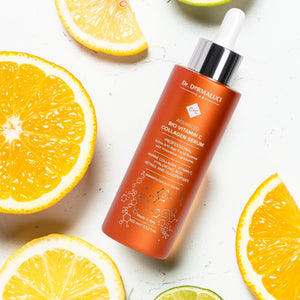
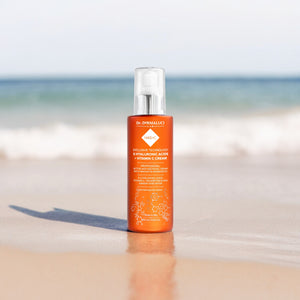
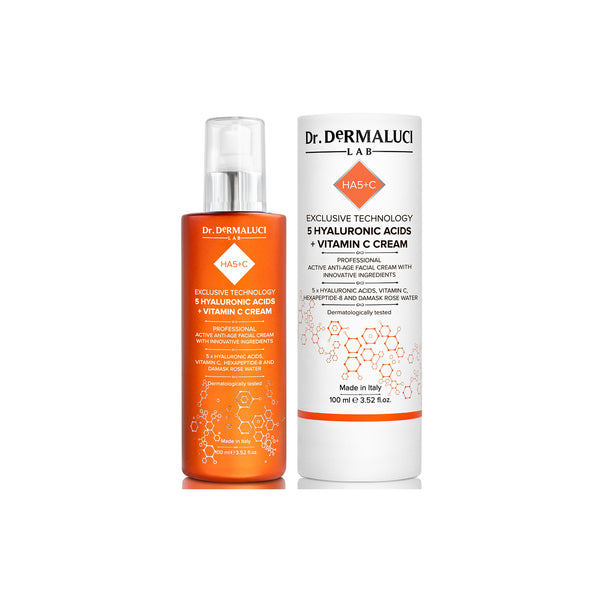
- Vitamin C (antioxidant protection)
- SPF (UV protection)
- Lightweight hydration
- Barrier-supporting ingredients
Morning protection helps prevent premature aging caused by environmental stress.
Night Routine — Repair Phase
Recommended ingredients:
- Retinol
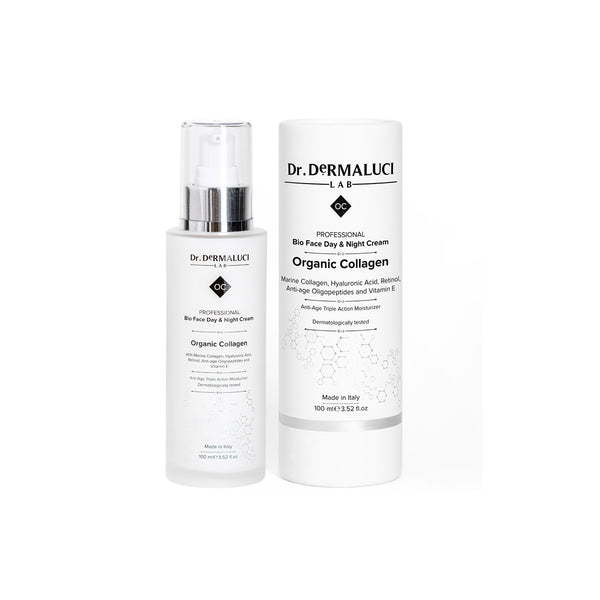
- Peptides
- Ceramides
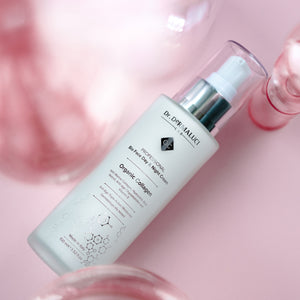
- Rich moisturizers
Nighttime routines support repair, hydration, and collagen renewal.
Barrier repair also connects to Dry vs Dehydrated Skin: Why Your Skin Barrier Determines Both, where overnight hydration improves resilience.
Ingredient Timing: Why Timing Matters
Vitamin C — Morning Protection
Vitamin C helps:
- Neutralize free radicals
- Protect collagen
- Improve brightness
Morning use supports daily protection.
For a deeper understanding of how Vitamin C supports skin protection and brightening, read Complete Guide to Vitamin C for Skin: Benefits, Uses and Skincare Routine.
Retinol — Nighttime Renewal
Retinol helps:
- Stimulate collagen
- Improve texture
- Reduce wrinkles
Because retinol increases sun sensitivity, nighttime use is recommended.
For a deeper understanding, read Complete Guide to Retinol for Skin: Benefits, How It Works, and How to Use It Safely.
Peptides — Overnight Repair
Peptides support:
- Collagen production
- Skin repair
- Elasticity
This aligns with The Role of Peptides in Skin Renewal, where peptides support nighttime regeneration.
Why Morning and Night Routines Improve Anti-Aging Results
Using ingredients at the correct time:
- Improves tolerance
- Enhances absorption
- Reduces irritation
- Maximizes results
This structured approach is central to modern anti-aging skincare.
Frequently Asked Questions (FAQ)
Can I use retinol in the morning?
It is not recommended. Retinol increases sun sensitivity and is best used at night.
Why is Vitamin C better in the morning?
Vitamin C protects against environmental stress and free radicals.
Should I double cleanse at night?
Yes, especially if wearing SPF, makeup, or exposed to pollution.
Can peptides be used with retinol?
Yes. Peptides support repair and improve tolerance.
Is it okay to skip morning skincare?
No. Morning protection helps prevent premature aging.
Key Takeaways
- Skin follows circadian rhythm
- Morning routines protect
- Night routines repair
- Ingredient timing improves results
- Structured routines support anti-aging
Read Next In These Series: The Role of Peptides in Skin Renewal


