
 Verified by shop




What Do “Dermatologically Tested” & “Hypoallergenic” Really Mean?
Dermatologically Tested,” “Hypoallergenic,” “Nickel-Tested”: What Do These Labels Actually Guarantee?
Skincare labels can be confusing, especially those related to safety. Terms like “dermatologically tested,” “hypoallergenic,” and “nickel-tested” appear everywhere. But what do they really guarantee? Are they regulated? And how much confidence should consumers place in them?
The good news: each of these labels carries real, measurable meaning, when used correctly and supported by proper testing.
The challenge: not all brands follow the same standards.
Here’s what science and regulation actually say.
⭐ 1. What Does “Dermatologically Tested” Mean?
This term indicates that a finished product, not just individual ingredients, has undergone tolerance testing on human volunteers, supervised by dermatologists.
The most common tests include:
✔ Patch Test (occlusive or semi-occlusive)
A sample of the product is applied to the skin for 24–48 hours, then evaluated by a dermatologist for irritation or allergic reactions.
✔ HRIPT (Human Repeat Insult Patch Test)
A more rigorous version is used to assess sensitization risk through repeated exposure.
What it does not mean:
- It does not guarantee zero reactions for all skin types.
- It does not replace medical testing for specific allergies.
But it does mean the product has been evaluated for basic tolerability and low irritation potential.
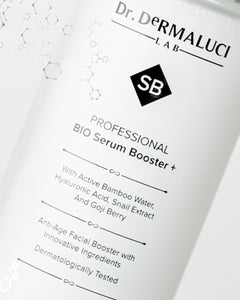
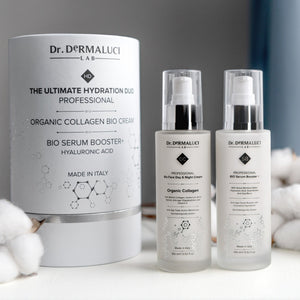
Dermalucilab uses dermatologically tested formulations for sensitive skin, ensuring confidence for reactive and fragile skin types.
⭐ 2. What Does “Hypoallergenic” Mean?
The term “hypoallergenic” is not globally standardized, but in reputable dermocosmetic brands it typically implies:
- Reduced-risk formulas designed to minimize common allergens
- Avoidance of high-risk fragrance allergens
- Exclusion of harsh preservatives or sensitizing essential oils
- Successful completion of strict tolerance tests (often HRIPT)
"Hypoallergenic" does not mean:
✘ “No one will ever react.”
Every skin is different, and even safe ingredients may trigger sensitivity in rare cases.
But it does guarantee that the brand was intentionally formulated with low-allergenicity principles, removed unnecessary irritants, and backed this with human tolerance testing.
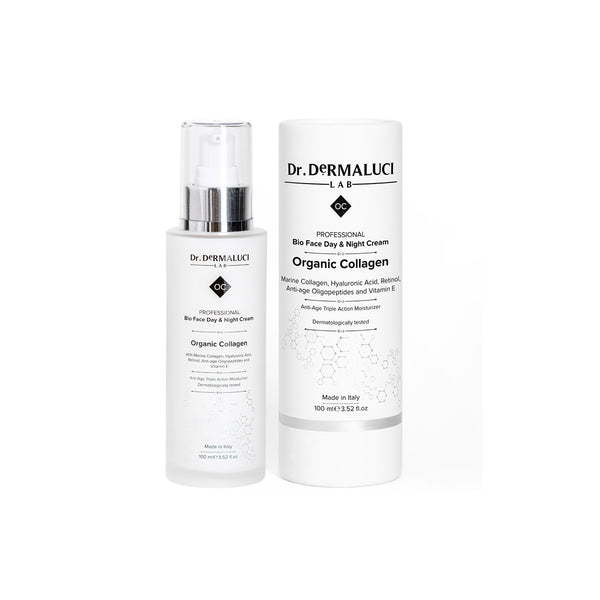
Dermalucilab applies this standard across all formulas, including AIAB-certified organic creams and serums.
⭐ 3. What Does “Nickel-Tested” Mean, and Why Does It Matter?
Nickel is one of the most common contact allergens worldwide. Even trace amounts can trigger reactions in sensitized people, especially those with eczema or dermatitis.
“Nickel-tested” means:
- The formula was tested to ensure nickel content is below a specific trace threshold (often <1 ppm).
- This helps reduce the risk of triggering a nickel-related allergic reaction.
For individuals with known nickel sensitivity, this is a critical assurance—not commonly offered by cosmetic brands.
Dermalucilab’s nickel-tested formulations are particularly protective for sensitive and atopic-prone skin.
⭐ How Dermalucilab Applies These Standards
Dermalucilab integrates the strictest European dermocosmetic safety principles:
- AIAB-certified organic formulas
- Nickel-tested (<1 ppm)
- Dermatologically tested on sensitive skin
- Free from parabens, PEGs, silicones, mineral oils, microplastics
- Avoidance of essential oils that may cause sensitization
- Transparent INCI lists and ingredient education
This is why Dermalucilab is considered an Italian authority in sensitive-skin science.
Coming next:
👉 Are organic face serums better for sensitive skin?
⭐ Suggested Routine for Sensitive or Allergy-Prone Skin
- Gentle Facial Cleanser with Aloe & Niacinamide
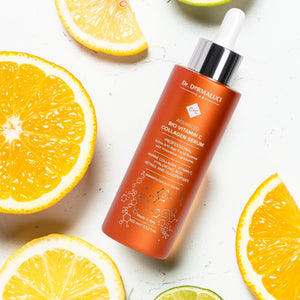
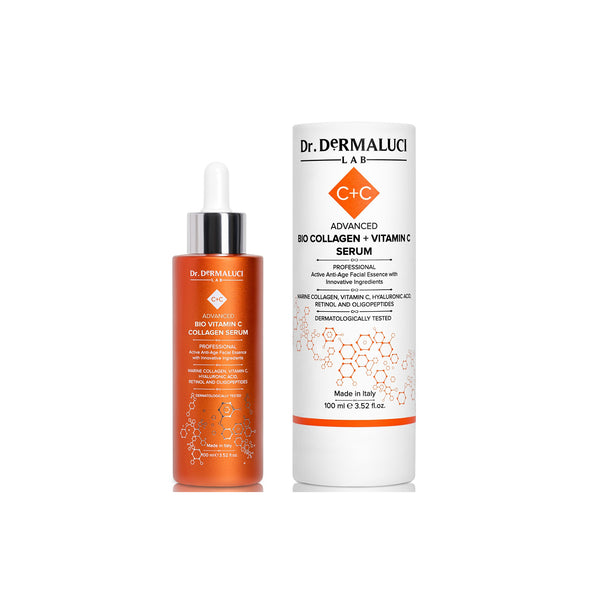
- Vitamin C + Collagen Serum (stabilized, low-irritation formula)
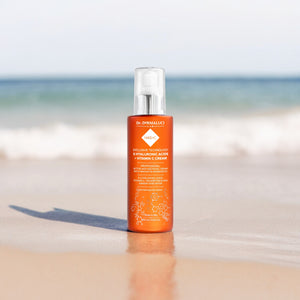
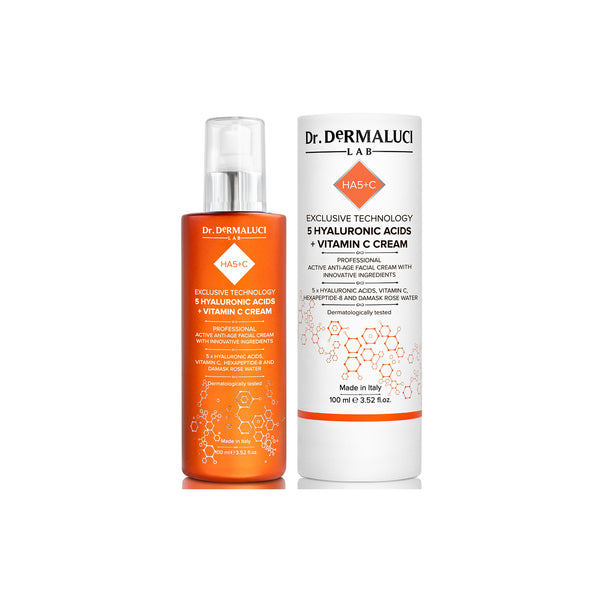
- 5x Hyaluronic Acid + Vitamin C Cream
- SPF 50 daily to prevent irritation and sensitivity
❓ FAQs
Q: Does “dermatologically tested” guarantee my skin won’t react?
No, but it ensures the product was evaluated by dermatologists for tolerance and low irritation risk.
Q: Is hypoallergenic the same as fragrance-free?
Not always. Hypoallergenic formulas may contain low-allergen fragrances, but many high-quality brands avoid them entirely.
Q: Should people with eczema choose nickel-tested products?
Yes, nickel sensitivity is common among atopic individuals, and nickel-tested products reduce risk.
Q: Are Dermalucilab products hypoallergenic?
All formulas are dermatologically tested and formulated to minimize allergen exposure.
Checklist
- ✅ Dermatologically tested = human tolerance evaluation
- ✅ Hypoallergenic = reduced allergen strategy
- ✅ Nickel-tested = safer for highly sensitive skin
- ✅ Dermalucilab follows all three standards
- ✅ No parabens, PEGs, microplastics or silicones


