
 Verified by shop




Scalp Care: Treating the Scalp as Skin, Not Hair
Is My Scalp Skin or Hair? How to Properly Care for the Scalp Without Damaging Hair
One of the most overlooked areas in skincare is the scalp. Many people treat it as an extension of their hair—washing, scrubbing, or coating it with products designed for lengths and ends. In reality, the scalp is skin—and it requires skin-appropriate care.
Understanding this distinction is essential for addressing common concerns such as itchiness, excess oil, flakes, sensitivity, and even hair thinning.
The scalp is skin with unique characteristics.
The scalp shares the same basic structure as facial skin, but with important differences:
- Higher density of sebaceous glands
- More hair follicles per square centimeter
- Unique microbiome composition
- Greater exposure to sweat and occlusion
Because of this, the scalp is prone to:
- Oil imbalance
- Microbiome disruption
- Irritation from harsh surfactants
- Inflammation that can affect hair growth quality
Treating the scalp only as “hair” often worsens these issues.
Common Scalp Problems—and Their Real Causes
Itchy or Tight Scalp
Often caused by dehydration, harsh shampoos, or barrier disruption—not always dandruff.
Oily Scalp with Dry Ends
A classic sign of scalp imbalance: excess sebum at the roots, dehydration and damage along the lengths.
Flaking or Mild Scaling
Can result from dryness, irritation, or microbiome imbalance—not necessarily fungal dandruff.
Sensitive or Burning Scalp
Frequently linked to fragrance, essential oils, alcohols, or aggressive cleansing.
Why Scalp Health Matters for Hair Quality
Hair growth begins in the follicle, which sits in the scalp. When scalp skin is inflamed or imbalanced:
- Hair may grow weaker or thinner
- Shedding may increase
- Hair becomes dull or brittle
- Styling products feel uncomfortable
Healthy hair does not start with treatments on the ends—it starts with a calm, balanced scalp environment.
How to Care for the Scalp Without Damaging Hair
1. Cleanse Gently, Not Aggressively
Avoid harsh sulfates and daily scrubbing. Cleansing should remove sweat and excess sebum without stripping the barrier.
2. Hydrate the Scalp
Just like facial skin, the scalp can be dehydrated. Lightweight, non-greasy hydration supports comfort and balance.
3. Avoid Overloading with Oils
Heavy oils can clog follicles and worsen imbalance. Hydration ≠ oil.
4. Be Careful with “Natural” Ingredients
Essential oils and menthol may feel refreshing but often irritate sensitive scalps.
5. Protect the Barrier
Niacinamide, panthenol, and soothing botanicals help reduce inflammation and restore resilience.
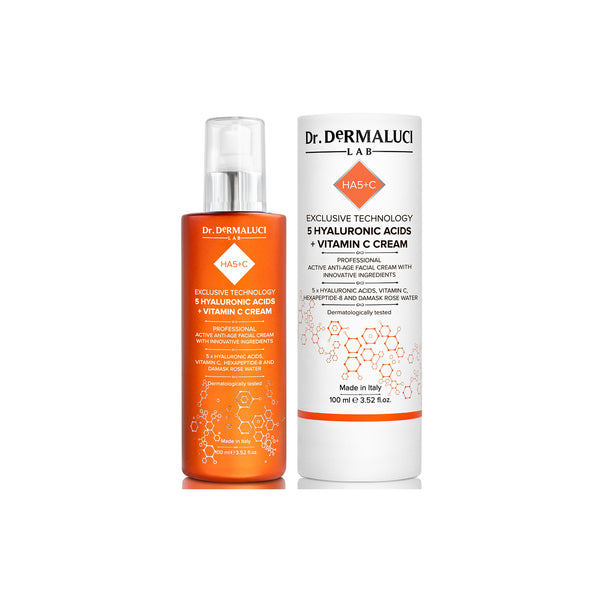
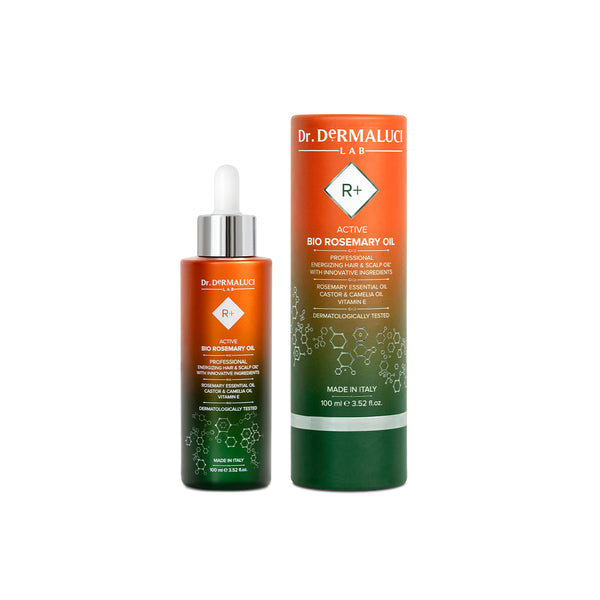
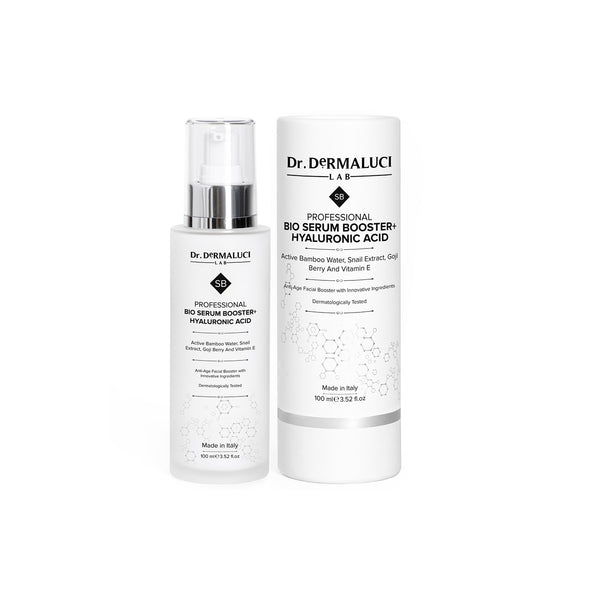
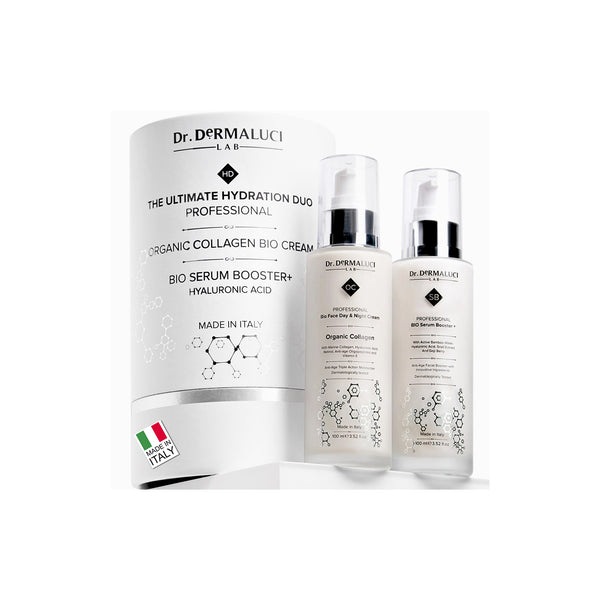
Dermalucilab’s Skin-First Scalp Philosophy
Dr. Dermaluci Lab approaches scalp care the same way it approaches facial care:
- Barrier support first
- Hydration before occlusion
- Low-irritation formulations
- Respect for the microbiome
Key principles include:
- Avoiding aggressive surfactants
- Avoiding fragrance-heavy formulas
- Supporting hydration and calm
- Treating the scalp as living skin—not just a surface to wash
This philosophy supports long-term scalp comfort and healthier-looking hair.
Recommended Scalp-Friendly Routine
- Gentle Shampoo (2–4 times/week, depending on needs)
- Lightweight Scalp Hydration (leave-in or rinse-off, non-oily)
- Conditioner applied only to lengths and ends
- Avoid heavy oils directly on the scalp
Coming next: 👉 Scalp & Hair Care: How Smart Skincare Is Redefining Hair Health
❓ FAQs
Q: Is the scalp considered skin?
Yes. It has the same structure as skin elsewhere, with unique characteristics.
Q: Should I exfoliate my scalp?
Only gently and infrequently. Over-exfoliation can worsen irritation.
Q: Is oily scalp a sign of poor hygiene?
No. It’s often a sign of imbalance or dehydration.
Q: Can scalp care improve hair quality?
Yes. Healthy follicles produce healthier hair.
Checklist
✅ The scalp is skin, not hair
✅ Scalp imbalance affects hair quality
✅ Hydration matters as much as cleansing
✅ Oils are not always beneficial
✅ Barrier-first care improves comfort
✅ Dermalucilab treats the scalp as skin


