
 Verified by shop




Essential Oils on the Face: Safe or Irritating?
Essential Oils on the Face: Help, Hype, or Hidden Irritants?
Essential oils have become a symbol of “natural skincare.” They’re often marketed as pure, botanical, and therapeutic. But dermatology research tells a more complex story, especially when essential oils are applied to the face, where skin is thinner, more vascular, and more reactive.
So, should you use essential oils on your face?
The answer depends on one word:
Irritation.
More specifically: who is prone to it, what concentrations are used, and how is the formula designed?
What Essential Oils Can Actually Offer
Some essential oils contain compounds with known benefits:
- Tea tree oil → antimicrobial activity
- Chamomile oil → anti-inflammatory properties
- Lavender oil → soothing aroma (but variable irritancy)
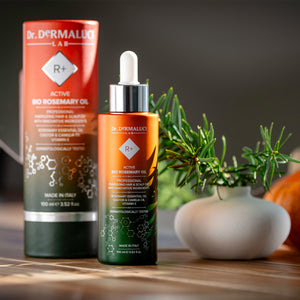
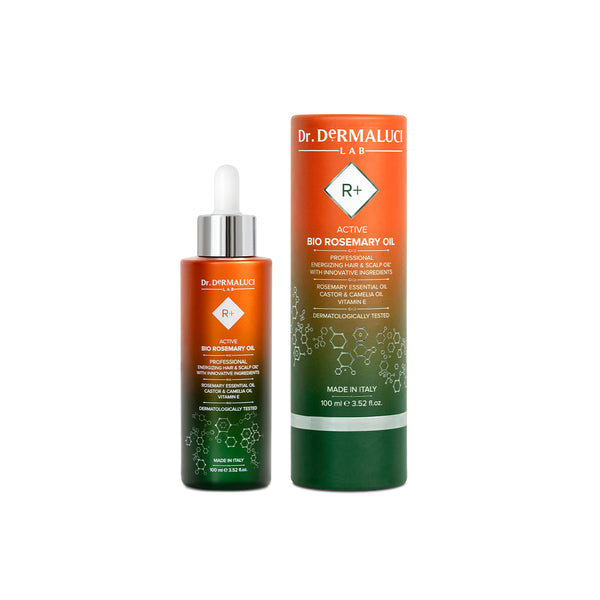
- Rosemary oil → antioxidant and circulation-supportive effects
But these benefits are concentration-dependent, and essential oils are extremely potent. A single drop can contain dozens of active chemicals.
In clinical studies, essential oils show:
- Antimicrobial effects (tea tree, thyme, oregano)
- Anti-inflammatory or antioxidant potential (chamomile, rosemary)
- Aromatherapeutic benefits
However, these effects do not eliminate the risk of irritation or sensitization.
Why Essential Oils Are High-Risk for Facial Skin
Essential oils are among the most common causes of cosmetic contact dermatitis. Research from dermatology clinics consistently identifies fragrance components, many of which come from essential oils—as top allergens.
Major concerns include:
✔ Dermatitis Irritativa (Irritant Dermatitis)
Undiluted or high concentrations can cause stinging, burning, and redness.
✔ Allergic Contact Dermatitis
Common fragrance allergens include:
- Linalool
- Limonene
- Geraniol
- Citral
All naturally present in essential oils like lavender, citrus, lemongrass, and tea tree.
✔ Photosensitivity
Some citrus oils contain furanocoumarins that can cause hyperpigmentation when exposed to sunlight.
✔ Barrier Disruption
Essential oils can compromise the stratum corneum, especially in atopic or sensitive skin.
When Essential Oils Should Be Avoided
You should avoid applying essential oils on the face if you have:
- Rosacea
- Eczema / atopic dermatitis
- Compromised skin barrier
- Recent cosmetic procedures
- Post-acne inflammation
- Very dry, reactive or peeling skin
These skin types are more prone to irritation and long-term sensitization.
Safe Dilution Matters A Lot
Dermatologists recommend that essential oils never be applied directly to the skin. Safe dilution for facial use is typically:
- 0.1%–0.5% for sensitive skin
- Up to 1% for normal skin
- 0% for compromised skin
Anything above these levels risks sensitization.
🌿Dermalucilab’s Position on Essential Oils
Dermalucilab takes a safety-first approach. Because essential oils are unpredictable for sensitive skin, Dermalucilab:
- Avoids essential oils in face creams and serums
- Prioritizes AIAB-certified organic botanical extracts
- Uses nickel-tested, hypoallergenic formulations
- Chooses stable plant extracts with lower irritant potential
- Designs for rosacea-prone, reactive and atopic skin
This approach protects those who are most likely to react to essential oils—especially when used on the face.
Coming next:
👉 How Many Skincare Products Do You Really Need
❓ FAQs
Q: Can I put pure essential oils directly on my face?
No. Pure essential oils can cause burns, dermatitis, or long-term sensitization.
Q: Are essential oils safer than synthetic fragrances?
Not necessarily. Many natural fragrance molecules are well-known allergens.
Q: Which essential oils are “safe”?
No essential oil is universally safe. Dilution, purity, and skin type determine tolerance.
Q: Why doesn’t Dermalucilab use essential oils in facial products?
To protect sensitive skin and reduce the risk of irritation, allergies, and photosensitivity.
Checklist
- ❗ Essential oils = common irritants
- ❗ Not recommended for sensitive or reactive skin
- ✅ Benefits exist but require very low concentration
- ✅ Dilution is critical
- ✅Dermalucilab avoids using essential oils in facial formulas


