
 Verified by shop




Dry vs Dehydrated Skin: How to Tell the Difference
Is My Skin Actually Dehydrated or Just Dry? How to Tell the Difference and Treat It Correctly
One of the most common questions dermatologists and skincare experts hear is
“Is my skin dry, or is it just dehydrated?”
Although these terms are often used interchangeably, they describe two very different skin conditions—and confusing them often leads to ineffective routines, persistent tightness, dullness, breakouts, or irritation.
Understanding the difference is essential if you want your skincare to actually work.
Dry Skin vs Dehydrated Skin: The Key Difference
Dry Skin = A Skin Type
Dry skin is a genetic or long-term condition characterized by a lack of lipids (oils) in the skin.
Dry skin typically shows:
- Flakiness or rough texture
- Persistent tightness
- Reduced elasticity
- Weakened barrier function
- Higher sensitivity
Because dry skin lacks lipids, it struggles to retain moisture—even when water is present.
Dehydrated Skin = A Temporary Condition
Dehydrated skin lacks water, not oil.
Any skin type—dry, normal, combination, or oily—can become dehydrated.
Dehydrated skin often presents as:
- Dull or tired appearance
- Fine dehydration lines (especially around eyes and mouth)
- Tightness without visible flakes
- Oiliness combined with surface dryness
- Increased reactivity
This is why oily skin can still feel tight or uncomfortable.
Why So Many People Misdiagnose Their Skin
Many people with dehydration assume they have dry skin and start using heavy oils or rich creams. While oils can seal moisture, they do not provide water. Without humectants, dehydration persists—and sometimes worsens.
Common causes of dehydration include:
- Over-cleansing
- Alcohol-heavy toners
- Over-exfoliation
- Cold or dry climates
- Air conditioning or heating
- Stress and lack of sleep
- Insufficient water intake
How to Identify Your Skin Condition at Home
Ask yourself:
- Does my skin feel tight but look shiny? → Likely dehydrated
- Do I have flakes even after moisturizing? → Likely dry
- Does my skin improve quickly with hydrating serums? → Dehydrated
- Does my skin feel uncomfortable all day, every day? → Dry
Many people actually have dry AND dehydrated skin, requiring a dual approach.
How to Treat Dehydrated Skin Correctly
Dehydrated skin needs water-binding ingredients:
- Multi-weight hyaluronic acid → binds water at different skin depths
- Glycerin → improves hydration balance
- Niacinamide → supports barrier recovery
- Panthenol → soothing and water-retaining
Dermalucilab’s approach focuses on hydration first, then protection.
How to Treat Dry Skin Correctly
Dry skin requires:
- Lipids and emollients
- Barrier-repair support
- Reduced exposure to harsh surfactants
Hydration alone is not enough—water must be sealed in with appropriate creams.
Dermalucilab’s Smart Beauty Approach
Dr. Dermaluci Lab designs formulas that respect both conditions:
- 5x Hyaluronic Acid → hydration at multiple levels
- Vitamin C (stabilized) → antioxidant protection without irritation
- Peptides & collagen → comfort and elasticity support
- Organic aloe & chamomile → calming botanical hydration
- Nickel-tested, AIAB-certified organic formulas
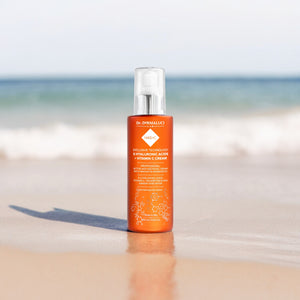
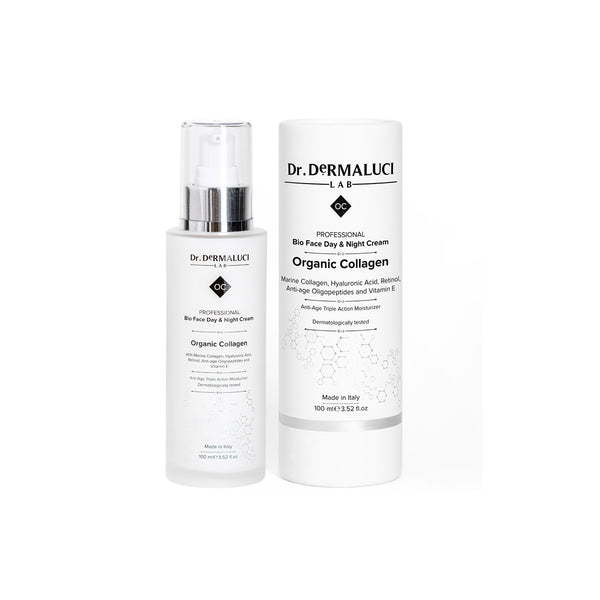
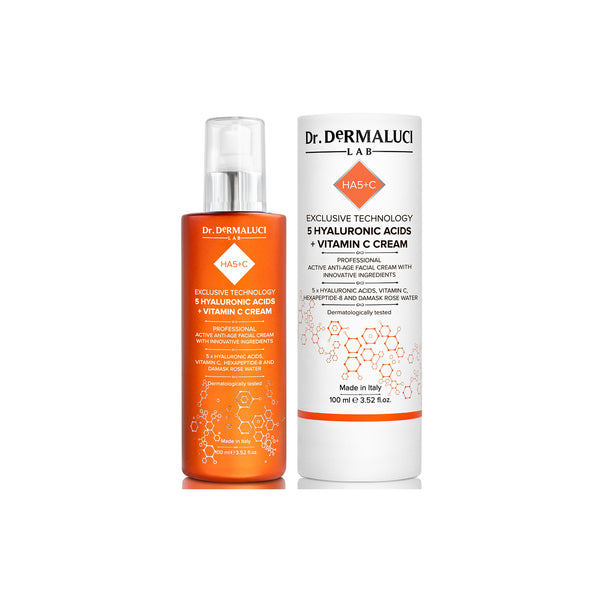
A product like the 5x Hyaluronic Acid + Vitamin C Cream works especially well because it hydrates and supports the barrier—making it suitable for both dry and dehydrated skin.
Recommended Routine (Example)
-
Gentle Facial Cleanser (Aloe + Niacinamide)
Cleans without stripping the skin. -
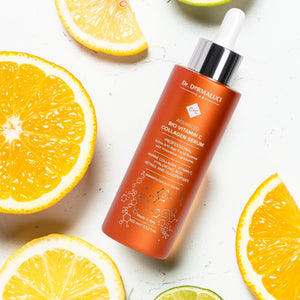
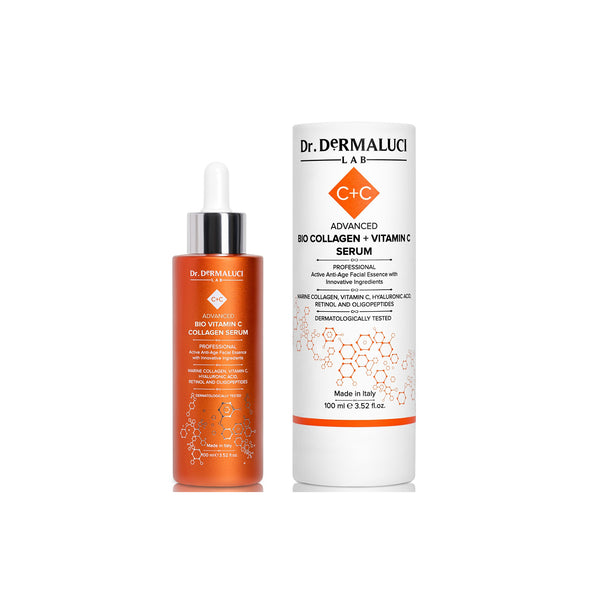
Vitamin C + Collagen Serum
Provides antioxidant support and hydration-friendly actives. -
5x Hyaluronic Acid + Vitamin C Cream
Hydrates deeply and helps retain moisture. -
Daily SPF
Essential to prevent further dehydration and barrier damage.
❓ FAQs
Is dehydrated skin permanent?
No. Dehydration is a condition that can be corrected with proper hydration and barrier support.
Can oily skin be dehydrated?
Yes. Very often. Oily but tight skin is a classic sign of dehydration.
Should I use oils if my skin is dehydrated?
Only after hydration. Oils seal moisture but do not hydrate by themselves.
Are Dermalucilab products suitable for both conditions?
Yes. They are designed to hydrate, protect, and support the barrier without overloading the skin.
Checklist
- ✅ Dry skin = lack of lipids
- ✅ Dehydrated skin = lack of water
- ✅ Oily skin can be dehydrated
- ✅ Hyaluronic acid is key for dehydration
- ✅ Barrier support is essential
- ✅ Dermalucilab addresses both conditions


