



 Verified by shop




Skin Aging in Your 30s: When Prevention Actually Matters Most

Part of our pillar
This article belongs to our pillar on Complete Guide to Skin Aging - the foundational framework for understanding what slows visible ageing and when prevention matters most.
The 30s are the most important and most overlooked decade for skin. Most women in their 30s are too busy - careers, children, life pressure - to think systematically about skincare. The skin still looks largely fine, the changes feel subtle, and the temptation is to put off serious routine investment until something visibly wrong forces the issue.
The biology disagrees. The 30s is when intrinsic skin ageing biologically begins. Collagen production starts to slow. Cell turnover lengthens. The barrier becomes slightly less efficient. None of this shows up as a single dramatic visible change. It shows up as the cumulative trajectory of what your skin will look like in your 50s and 60s. Prevention started at 30 produces dramatically better outcomes than correction started at 50.
This article explains what is biologically happening to 30s skin, why prevention matters more in this decade than any other, and the realistic, sustainable routine to establish now that pays dividends for decades.
What's actually happening in 30s skin
The visible changes are usually subtle but the underlying biology is shifting:
- Collagen production declines roughly 1% per year from 25 onward - by 35 you have measurably less than at 25
- Cell turnover slows - the 28-day cycle of your 20s starts stretching toward 32-35 days
- Hyaluronic acid production declines - gradually but measurably
- The skin barrier becomes slightly less robust - recovery from late nights and travel takes longer than it used to
- Pigmentation regulation becomes less stable - sun damage from earlier decades starts showing up as visible spots
- Antioxidant defence declines - NAD+ levels begin their long slow drop
- Microcirculation reduces slightly - affecting tone and complexion
- Mitochondrial efficiency declines - slower repair and turnover
None of these individually produces an obvious visible change in your 30s. But the trajectory is set during this decade, and the trajectory is what matters.
The accumulated damage from your 20s
Your 30s skin is also dealing with the cumulative consequences of your 20s. The sun exposure you didn't worry about, the late nights, the inconsistent SPF, the alcohol - none of it produced visible damage in your 20s because the skin was still repairing efficiently. By your 30s, the repair systems are slowing down and that accumulated damage is starting to show.
Common signs of 20s damage showing up in your 30s:
- Sun spots appearing in the cheeks and forehead
- Fine lines around the eyes that weren't there last year
- Slightly less even skin tone in photos
- Skin that doesn't look as bright as it used to
- Recovery from a hangover or sleepless night that takes 2-3 days instead of one
- Mild pigmentation flares from sun exposure that wouldn't have shown a few years ago
None of this is "ageing" exactly - it is the past starting to be visible. The good news: most of it is still addressable in your 30s.
The 30s routine: prevention as the priority
Morning
- Gentle cleanser or water rinse
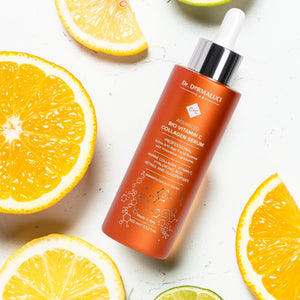
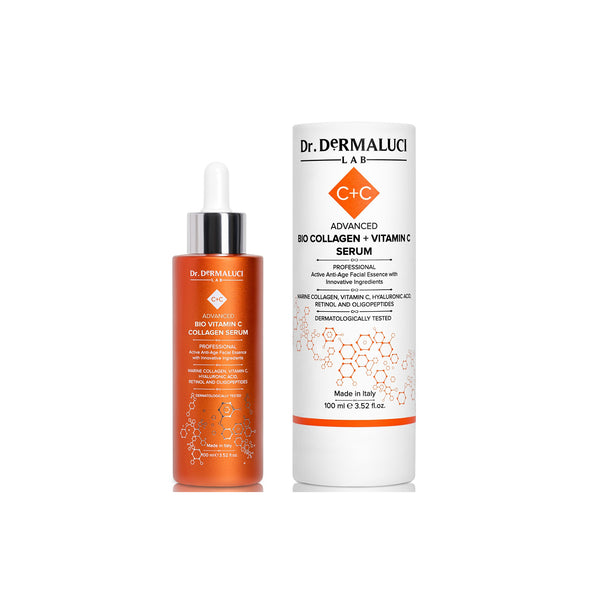
- Vitamin C serum (LAA 10-15% for resilient skin; SAP or MAP for sensitive)
- Hyaluronic acid on damp skin
- Niacinamide (optional but useful)
- Light moisturiser
- SPF 30+ - the highest-impact step of the day
Evening
- Non-foaming cleanser
- Retinol 2-4 nights per week at 0.1-0.3% (build tolerance gradually)
- Hyaluronic acid on damp skin
- Ceramide moisturiser
Weekly
- One gentle AHA or BHA exfoliation evening on non-retinol night
- One hydration or sheet mask if you enjoy them
This is genuinely all most 30s skin needs. The temptation is to add more - peptides, growth factors, premium serums, multi-step routines. The biological return on those additions in your 30s is small. The biological return on SPF and retinol is enormous.
What to avoid in your 30s
- Aggressive multi-acid routines - risk barrier damage that compounds in your 40s
- Starting retinol at gentle concentrations - train the skin gradually
- Skipping SPF "on cloudy days" or "indoors" - UV passes through both
- Frequent product switching driven by social media - your skin needs consistency
- Sleeping in makeup, even occasionally - the cumulative cost compounds
- Drinking heavily without recovery support - alcohol damage is visible by 35
- Tanning beds or unprotected sun exposure for "a base tan" - every session accelerates ageing
- Ignoring stress and sleep - both visible on the face from the mid-30s onward
Lifestyle priorities for slowing 30s ageing
- SPF every single day - single highest-impact habit you can establish
- Sleep 7-9 hours consistently - the foundation everything else relies on
- Manage chronic stress - the years of cortisol stack visibly
- Don't smoke - and if you smoked in your 20s, stopping now reverses some damage
- Moderate alcohol - daily or near-daily drinking shows up on skin by 35
- Diet rich in colourful vegetables, polyphenols, omega-3s
- Reduced refined sugar - glycation accumulates from the 30s onward
- Regular movement - supports microcirculation and stress regulation
- Adequate hydration - supports skin function from inside
- Address pregnancy-related skin changes proactively - melasma, dehydration, post-partum hair loss all affect skin
The 30s pregnancy and post-partum skin reality
Pregnancy and post-partum are common in the 30s and they substantially affect skin. Hormonal shifts can cause melasma, increased sensitivity, breakouts, and barrier compromise. Post-partum hormonal drops drive different but equally significant changes - dryness, hair loss, slower recovery.
During pregnancy and breastfeeding, retinoids are contraindicated. Useful substitutes:
- Bakuchiol as a milder alternative to retinol
- Peptides for collagen support
- Hyaluronic acid (always safe)
- Niacinamide (always safe)
- Vitamin C derivatives (always safe; consider SAP or MAP if pure LAA feels too irritating)
- Mineral SPF (preferred during pregnancy)
Post-pregnancy, return to retinol can usually happen once breastfeeding ends - confirm with your doctor.
Frequently asked questions
When should I start retinol if I haven't yet?
Early to mid-30s is the ideal window. Start at 0.1-0.2%, twice weekly, and build slowly. The skin in your 30s adapts more easily than in your 40s.
Do I need expensive eye creams?
Generally no. The eye area benefits from the same active ingredients you use on the face, often the same products. Specialised eye creams are nice but rarely essential.
Should I get professional treatments in my 30s?
Most 30s skin does not need professional intervention. The exceptions are persistent pigmentation, melasma, deep acne scarring, or specific concerns where targeted treatments add value.
Is it true that prevention is better than correction?
Yes - overwhelmingly. A 30 year old establishing daily SPF and retinol use will look measurably younger at 60 than a 50 year old starting the same routine. Time compounds.
How much should I spend on skincare in my 30s?
The most important ingredients (SPF, retinol, vitamin C, niacinamide, hyaluronic acid) all have excellent budget options. €50-80 per month covers a comprehensive routine.
Will my 30s skin look the same in my 40s?
No - but with consistent prevention, the changes can be subtle rather than dramatic. The women who look "good for their age" in their 40s and 50s almost always established consistent routines in their 30s.
How important is genetics?
Significant but secondary. Genetics determines roughly 20-30% of how your skin will age; the rest is sun exposure, lifestyle, and routine. You cannot change your genes; you can change the other 70-80%.
What is the single most important thing to do in my 30s?
Daily SPF, every day, without exception. No other single intervention compares.
Your 30s skin checklist
- Daily SPF 30+ every morning - the highest-impact habit of the decade
- Establish retinol use at 0.1-0.3%, 2-4 nights per week, building tolerance gradually
- Vitamin C serum in the morning
- Niacinamide once or twice daily
- Hyaluronic acid on damp skin morning and night
- Ceramide-rich moisturiser as the foundation
- Non-foaming, low-pH cleanser; cleanse once a day (evening) only
- One gentle exfoliation weekly, not daily
- Sleep 7-9 hours consistently
- Diet rich in colourful vegetables, polyphenols, omega-3s; low refined sugar
- Don't smoke; moderate alcohol
- Manage stress through whatever consistently works
- If pregnant, switch to bakuchiol and peptides for collagen support
Related reading


