



 Verified by shop


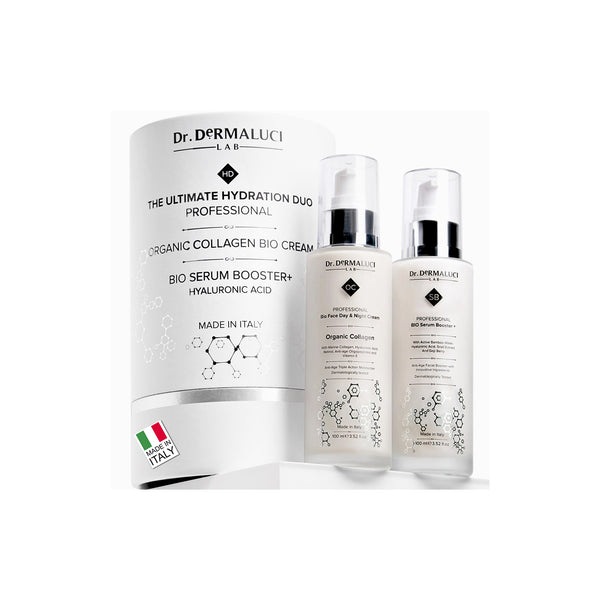


What Ingredients to Avoid If You Have Rosacea

What Ingredients to Avoid If You Have Rosacea
Rosacea-prone skin is highly reactive and easily triggered by ingredients that would be well tolerated by other skin types.
This article is part of our Skin Inflammation pillar cluster. For the foundational framework, see our complete guide to skin inflammation.
Flushing, redness, burning, and discomfort are often signs that the skin barrier is compromised and inflammation pathways are overactive.
This article is part of the guide Sensitive Skin: Causes, Triggers and How to Restore Balance, where we explore how to reduce reactivity and restore skin balance.
Understanding what to avoid is just as important as choosing the right ingredients.
Why Rosacea Skin Reacts More Easily
Rosacea is associated with:
increased skin sensitivity
impaired barrier function
vascular reactivity (flushing)
heightened inflammatory response
This means that even “normal” skincare products can trigger visible reactions.
To understand the broader mechanism, see What Causes Sensitive Skin? Understanding Triggers and Imbalance.
Ingredients to Avoid
Certain ingredients are known to increase irritation in rosacea-prone skin.
Fragrance and Essential Oils
Even natural fragrances can trigger redness and stinging.
Alcohol-Based Formulas
High concentrations of alcohol can dry and destabilize the skin barrier.
Menthol, Eucalyptus, and Cooling Agents
These ingredients create a temporary sensation but often increase irritation.
Harsh Exfoliants
Physical scrubs and high-percentage acids can worsen inflammation and redness.
Overuse of Active Ingredients
Layering too many actives can overwhelm already sensitive skin.
To understand this better, see Sensitive Skin Is Not a Type — It’s a State.
Ingredients That Help Calm Rosacea-Prone Skin
Instead of focusing only on what to avoid, it is essential to support the skin properly.
Look for:
- niacinamide
- hyaluronic acid
- aloe vera
- centella asiatica
- barrier-supporting lipids
These ingredients help reduce irritation, improve hydration, and support recovery.
For a structured approach, see How to Repair Sensitive Skin: Step-by-Step Routine.
The Importance of Barrier Support
Barrier repair is central in managing rosacea-prone skin.
When the barrier is stable, the skin becomes less reactive and more tolerant over time.
This reduces flare-ups and improves overall comfort.
To understand why, read Why Skin Barrier Repair Is the Foundation of Every Skincare Routine.
Building a Rosacea-Friendly Routine
A simple routine is often the most effective.
- gentle cleanser
- hydrating serum
- barrier-supporting cream
- daily sun protection
Avoid frequent product changes and unnecessary layering.
Consistency is key.
Frequently Asked Questions (FAQ)
Can I use Vitamin C with rosacea?
Yes, but it depends on the formulation. Gentle, well-formulated versions are usually better tolerated.
Is exfoliation safe for rosacea?
Only very mild exfoliation and not during flare-ups. Over-exfoliation can worsen symptoms.
Can rosacea-prone skin improve over time?
Yes. With proper care and reduced triggers, the skin can become more stable and less reactive.
Are natural ingredients always safe?
No. Essential oils and natural fragrances can still trigger irritation.
Should I avoid all active ingredients?
Not necessarily, but they should be used carefully and introduced gradually.
Rosacea Checklist
Avoid fragrance and essential oils
Limit harsh exfoliation
Simplify your routine
Support the skin barrier
Use calming, well-tolerated ingredients
Protect skin daily
Continue Reading in This Series
Next article → How to Build a Skincare Routine When Everything Irritates Your Skin


