
 Verified by shop




Why Does Healthy Skin Look Dull?
Why Does My Skin Look Dull Even When It’s “Healthy”? The Role of Cell Turnover, Hydration, and Microcirculation
Many clients say the same thing:
“I don’t have acne, redness, or sensitivity—so why does my skin still look dull?”
Dullness is one of the most misunderstood skin concerns because it’s rarely caused by a single issue. In most cases, the skin is healthy—but certain physiological processes are working more slowly or inefficiently.
Let’s look at what actually controls skin radiance.
1. Slower Cell Turnover = Less Light Reflection
Healthy skin constantly renews itself. As we age—or when the skin is stressed—this renewal process slows.
When dead cells accumulate on the surface:
- Skin texture becomes uneven
- Light reflects poorly
- The complexion looks flat or tired
This can happen even without visible flaking.
Key point:
Dull skin is often a turnover issue, not a “dirty” skin issue.
2. Dehydration Reduces Transparency and Glow
Well-hydrated skin reflects light more evenly.
Dehydrated skin, even when smooth, tends to look matte or grey.
Common signs of dehydration-related dullness:
- Tightness without dryness
- Fine dehydration lines
- Makeup that looks flat or cakey
- Glow that disappears within hours
Hydration at multiple skin levels is essential for long-lasting luminosity.
3. Microcirculation and Oxygen Delivery Matter
Skin radiance is closely linked to microcirculation—the flow of blood and oxygen in superficial capillaries.
When microcirculation is reduced:
- Oxygen delivery decreases
- Cellular metabolism slows
- Skin appears pale or uneven
Factors that affect microcirculation include:
- Stress
- Poor sleep
- Sedentary lifestyle
- Smoking
- Cold temperatures
Skincare can support—but not replace—these systemic factors.
4. Oxidative Stress and Environmental Exposure
Pollution, UV radiation, and blue light generate oxidative stress, which:
- Dulls skin tone
- Impairs cell renewal
- Weakens the barrier
- Increases uneven pigmentation over time
Antioxidant support is critical to maintaining brightness.
Why “More Exfoliation” Is Not the Answer
Many people respond to dullness by exfoliating more frequently. This often backfires.
Over-exfoliation:
- Damages the barrier
- Increases dehydration
- Triggers inflammation
- Ultimately worsens dullness
Glow comes from balance, not aggression.
Dermalucilab’s Approach to Restoring Radiance
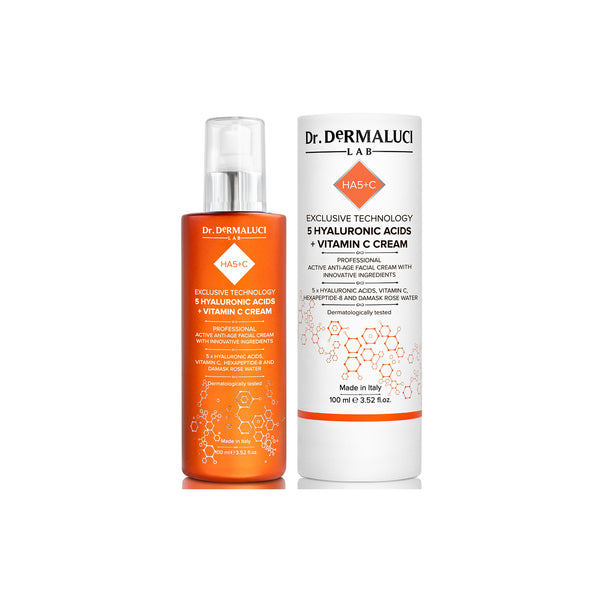
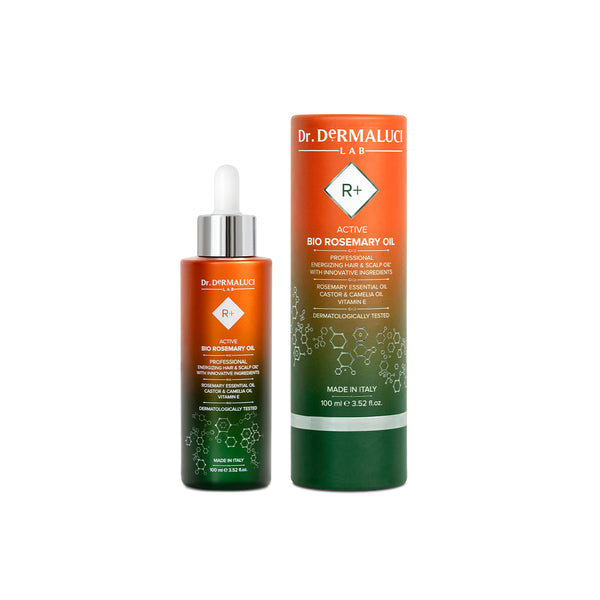
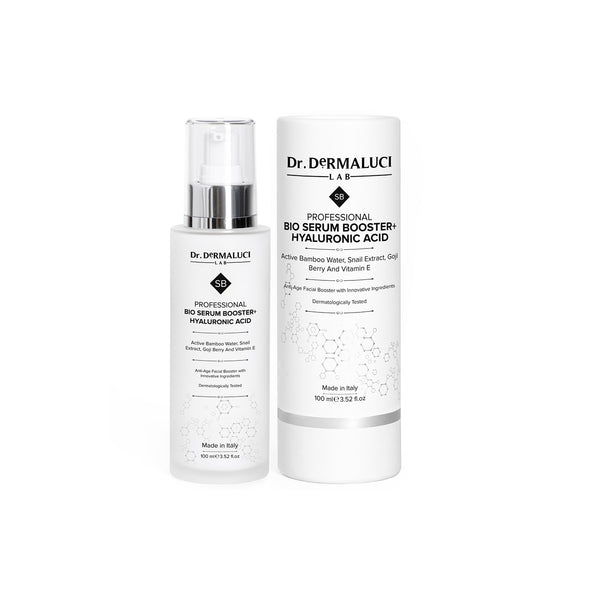
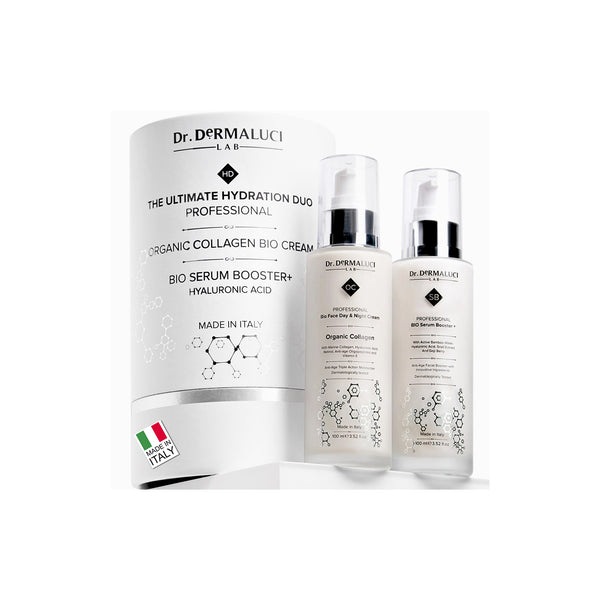
Dr. Dermaluci Lab focuses on functional glow, not temporary shine.
Key formulation principles include:
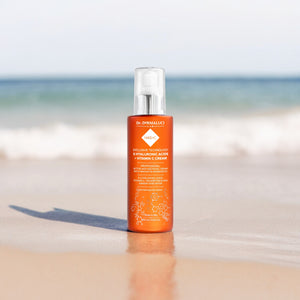
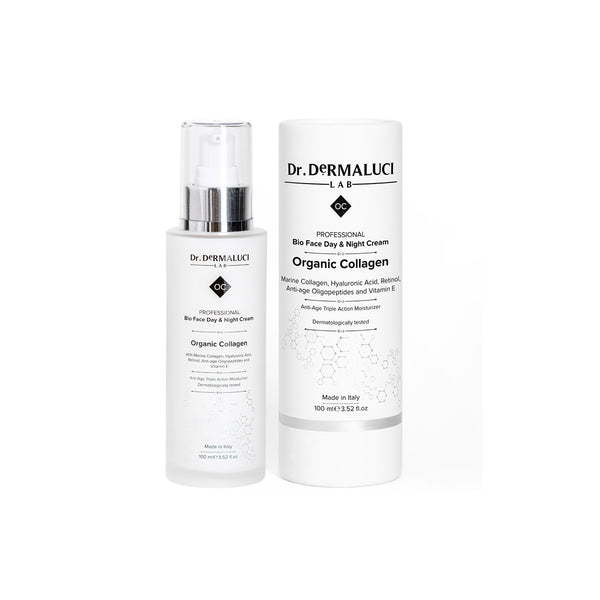
- Multi-weight hyaluronic acid → deep, sustained hydration
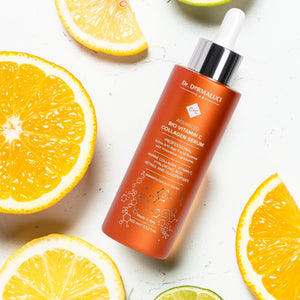
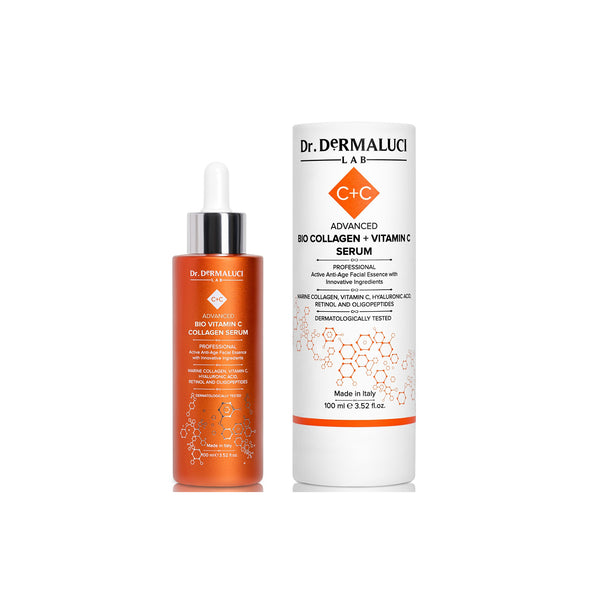
- Stabilized vitamin C → antioxidant protection and radiance
- Niacinamide → improved barrier function and tone uniformity
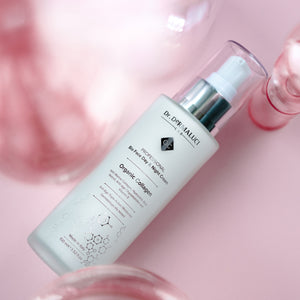
- Peptides & collagen → skin comfort and elasticity
- Organic aloe & chamomile → calm, hydrated skin reflects light better
Radiance improves when the skin functions optimally—not when it’s overstimulated.
How to Improve Dull Skin Safely
- Hydrate consistently (inside and out)
- Support gentle cell renewal (not daily exfoliation)
- Use antioxidants daily
- Protect with SPF
- Support sleep and stress management
Coming next:
👉 Best Ingredients for Skin Hydration
❓ FAQs
Q: Can healthy skin still look dull?
Yes. Dullness often reflects slower turnover or dehydration—not disease.
Q: Does exfoliation fix dullness?
Sometimes, but overuse often worsens it.
Q: Is vitamin C necessary for glow?
It’s one of the most effective antioxidants for improving brightness.
Q: Do Dermalucilab products enhance radiance safely?
Yes—by improving hydration, protection, and barrier health.
Checklist
✅ Dullness ≠ unhealthy skin
✅ Cell turnover affects light reflection
✅ Hydration boosts transparency
✅ Antioxidants protect brightness
✅ Over-exfoliation worsens dullness
✅ Dermalucilab focuses on functional glow


