
 Verified by shop




Itchy, Flaky Scalp: Dryness or Dandruff?
Itchy, Flaky Scalp: Dryness, Dandruff, or Sensitivity? How to Tell the Difference
Flakes on the scalp are often labeled as “dandruff,” but in reality, not all flakes are the same. Treating every itchy or flaky scalp with aggressive anti-dandruff shampoos can worsen the problem—especially when dryness or sensitivity is the real cause.
Understanding what kind of scalp issue you’re dealing with is essential for choosing the right care.
Why Flakes Appear on the Scalp
Scalp flaking can result from:
- Dehydration and barrier disruption
- Microbiome imbalance
- Inflammation or sensitivity
- Over-cleansing or harsh surfactants
- Reaction to fragrance or essential oils
Only some of these involve true dandruff.
1. Dry Scalp: Lack of Water, Not Oil
A dry scalp is primarily a hydration issue, similar to dehydrated facial skin.
Typical signs:
- Small, dry, white flakes
- Tight or uncomfortable sensation
- Itchiness that worsens in cold or dry weather
- No redness or inflammation
Common causes:
- Frequent washing
- Harsh shampoos
- Cold climate or indoor heating
- Lack of scalp hydration
What helps:
- Gentle cleansing
- Reduced washing frequency
- Lightweight hydration
- Barrier-supporting ingredients
Anti-dandruff shampoos usually make dry scalp worse, not better.
2. Dandruff: A Microbiome-Related Condition
True dandruff is linked to an overgrowth of Malassezia, a yeast that naturally lives on the scalp.
Typical signs:
- Larger, oily or yellowish flakes
- Greasy scalp
- Itchiness that persists
- Often worsens with stress
What helps:
- Targeted anti-dandruff actives
- Short treatment cycles (not continuous use)
- Gentle maintenance between treatments
Important: even dandruff-prone scalps still need barrier protection and hydration.
3. Sensitive or Irritated Scalp
Some flakes come from inflammation, not dryness or dandruff.
Typical signs:
- Burning or stinging sensation
- Redness
- Flaking after product use
- Worsening symptoms after “refreshing” products
Common triggers:
- Fragrance
- Essential oils (menthol, eucalyptus, tea tree)
- Alcohol-heavy formulas
- Over-exfoliation
In these cases, treating the scalp aggressively increases irritation.
Why Misdiagnosis Makes Scalp Problems Chronic
When dry or sensitive scalps are repeatedly treated as dandruff:
- The barrier becomes weaker
- Itching intensifies
- Flaking becomes persistent
- Hair quality declines
Many people rotate shampoos constantly, never allowing the scalp to recover.
Dermalucilab’s Barrier-First Scalp Philosophy
Dr. Dermaluci Lab approaches scalp care as skin care:
- Identify the cause before treating
- Protect the scalp barrier
- Respect the microbiome
- Avoid unnecessary irritants
Key formulation principles:
- Gentle surfactants
- Hydrating and soothing agents
- No aggressive fragrance blends
- Support for sensitive and reactive scalps
This approach reduces chronic flaking by restoring balance—not suppressing symptoms.
How to Choose the Right Strategy
|
Symptom |
Most Likely Cause |
Best Approach |
|
Small white flakes + tightness |
Dry scalp |
Hydration + gentle cleansing |
|
Oily flakes + itch |
Dandruff |
Targeted treatment + gentle care |
|
Burning + redness |
Sensitivity |
Remove irritants + barrier repair |
Coming next:
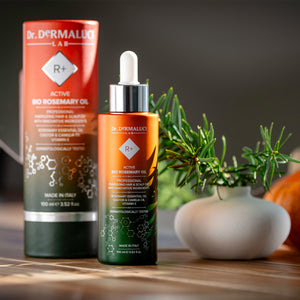
👉 Rosemary + Castor Oil – Hair Care & Scalp Strength
❓ FAQs
Q: Is dandruff always caused by fungus?
Most dandruff involves Malassezia, but not all flakes are dandruff.
Q: Can a dry scalp become dandruff?
Yes. Barrier disruption can lead to microbiome imbalance.
Q: Should I exfoliate my scalp?
Rarely and gently. Over-exfoliation worsens flaking.
Q: Are Dermalucilab products suitable for sensitive scalps?
Yes. They follow low-irritation, barrier-supportive principles.
Checklist
✅ Not all flakes are dandruff
✅ Dry scalp = dehydration
✅ Dandruff = microbiome imbalance
✅ Sensitivity causes flaking too
✅ Misdiagnosis worsens symptoms
✅ Dermalucilab treats the cause, not just flakes


