


 Verified by shop




Botanical Ingredients for Dark Spots: Do They Really Work?

Can Botanical Ingredients Really Help with Melasma and Dark Spots?
“Do plants really fade hyperpigmentation—or is it just marketing?”
This is one of the most frequent questions in dermatology today.
This article is part of our Vitamin C pillar cluster. Foundational read: our vitamin c cornerstone. Related: ingredients that truly fade dark spots.
The truth is, some botanical ingredients do have clinical evidence, while others rely mostly on tradition or anecdote. Conditions like melasma, post-inflammatory hyperpigmentation (PIH), and sun spots are biologically complex, so not every plant extract will help—but several naturally derived actives have been studied extensively in humans.
Let’s break down what science actually supports.
1. Vitamin C (L-ascorbic acid & stable derivatives)
Vitamin C—whether extracted or lab-stabilized—is one of the most researched brightening molecules.
Clinical studies show it can:
- Reduce melanin production
- Improve skin tone uniformity
- Protect against UV-induced hyperpigmentation
These effects depend strongly on formula pH and stability.
2. Licorice Extract (Glabridin)
Licorice root contains glabridin, known for:
- Inhibition of tyrosinase (the enzyme that drives melanin synthesis)
- Anti-inflammatory effects helpful in PIH
- Gentle tolerability compared to traditional bleaching agents
Multiple peer-reviewed studies support its role as a brightening botanical.
3. Niacinamide
Although not technically a “plant extract,” niacinamide (vitamin B3) is naturally occurring and often grouped with botanical-based brighteners.
Evidence shows it:
- Reduces transfer of melanin to surrounding cells
- Decreases sallowness and improves texture
- Combines safely with vitamin C, arbutin and peptides
It is also one of the best-tolerated brightening ingredients for sensitive skin.
4. Arbutin & Plant-Derived Derivatives
Arbutin—found naturally in bearberry, mulberry and blueberry leaves—has well-documented activity in reducing dark spots.
It works by:
- Blocking tyrosinase activity
- Improving clarity and reducing spot density
- Offering a gentler alternative to hydroquinone
Studies confirm improvements in mild to moderate hyperpigmentation.
What Botanicals Cannot Do
Even though botanicals have evidence:
- They cannot erase deep melasma alone
- They cannot replace sun protection
- They require consistent, long-term use
- They often work best in combinations, not alone
Dermatologists emphasize that melasma is chronic and hormonal, meaning flare-ups can recur without photoprotection and a proper routine.
How Dermalucilab Uses These Actives (and Why It Matters)
Dr. Dermaluci Lab integrates botanical-based brighteners across our multi-step routine:
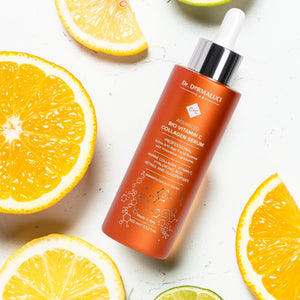
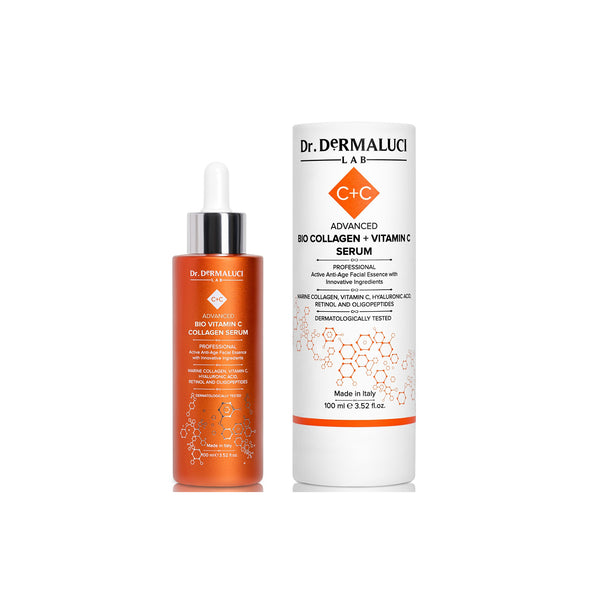
1. Vitamin C + Collagen Serum (100 ml)
- stabilized vitamin C
- organic aloe vera
- oligopeptides
→ brightening + anti-aging synergy
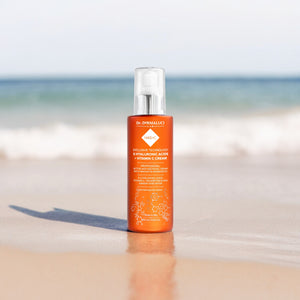
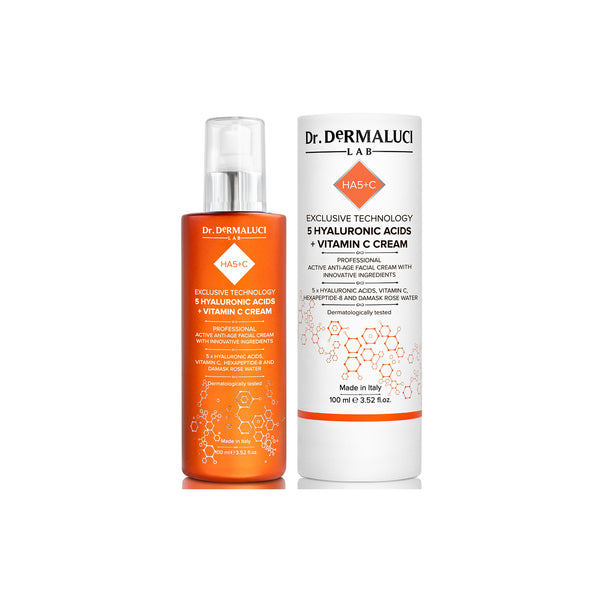
2. Niacinamide-Enhanced Multi-HA Cream (5x HA + Vitamin C Cream)
- multi-weight hyaluronic acid
- organic rose water
- vitamin C
→ evens tone + hydrates deeply
3. Optional: retinol Serum (night use)
Retinol boosts cell renewal, helping fade stubborn pigmentation over time (always introduce gradually).
Essential Rule for All Botanical Brightening Routines
No brightening ingredient works without SPF. Ever.
Melasma and dark spots darken again with minimal sun exposure—even behind windows. Daily SPF 30+ is mandatory.
Suggested Routine for Dark Spots & Melasma
AM
- Gentle cleanser
- Vitamin C + Collagen Serum
- 5x HA + Vitamin C Cream
- SPF 30–50 (daily, rain or shine)
PM
- Cleanse
- Niacinamide or HA-based serum
- Retinol serum (2–3x/week if tolerated)
- Calm + hydrate with 5x HA Cream
Benefits Checklist
- Understand which botanicals actually help melasma
- Learn evidence-based expectations
- Discover Dermalucilab’s brightening approach
- Know how pH influences active performance
- Get a smart routine for dark spots
FAQ
Q: Are botanical brighteners enough for melasma?
They help—but usually require combination therapy and strict SPF.
Q: Can I combine vitamin C, niacinamide, and licorice?
Yes. Studies support safe synergy.
Q: How long before I see results?
4–12 weeks depending on severity and routine consistency.
→ The Role of pH in Skincare – Balance for Healthy Skin
Quick action checklist
- ✓ Look for proven actives: vitamin C, niacinamide, arbutin, licorice (glabridin), kojic acid
- ✓ Skip products that only contain "botanical extracts" with no named active
- ✓ Combine vitamin C (AM) + niacinamide (AM or PM) for layered effect
- ✓ Always pair with daily SPF — no fading without sun protection
- ✓ Allow 8-12 weeks before judging — pigmentation fades slowly
- ✓ For melasma, see a dermatologist; topicals alone may not be enough
- ✓ Avoid essential oils on areas with dark spots — can worsen pigmentation
Related articles


