
 Verified by shop




Bio-Pixels of Light: From Blue Light to Near-Infrared — What It Means for Skin & How to Protect It
💡 The New Spectrum of Skin Exposure
Our skin is exposed to more than just sunlight. Digital screens, LED lighting, and infrared heat constantly bathe us in invisible wavelengths — including blue light (HEV) and near-infrared (NIR) — that can quietly accelerate ageing.
Dermatological research shows that HEV and NIR light penetrate deeper layers of the skin, generating oxidative stress, weakening collagen fibers, and triggering pigmentation. Unlike UV rays, these don’t cause immediate burns — but their long-term exposure leads to dullness and photo-inflammation.
🔬 How Blue and Infrared Light Affect Your Skin
-
Blue Light (HEV, 400–500 nm):
Commonly emitted by phones and computer screens. Increases free radicals and melanin activity, which can cause hyperpigmentation and early fine lines. -
Near-Infrared Light (NIR, 700–1400 nm):
Penetrates the dermis and subcutaneous tissue, reducing collagen density and elasticity over time.
While not as damaging as UV, the cumulative effect of these “bio-pixels” is now recognized as a subtle but real contributor to premature ageing.
🌿 The Smart Beauty Defense
At Dr. Dermaluci Lab, we focus on strengthening the skin’s antioxidant shield — the most effective way to combat light-induced stress.
Recommended Routine for Light Protection:
1️. Cleanser: Gentle Facial Cleanser with Aloe Vera & Niacinamide — clears pollutants that intensify photo-oxidation.
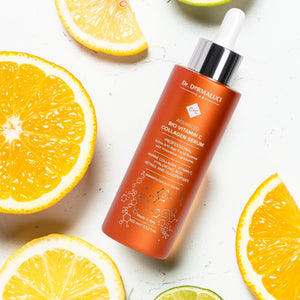
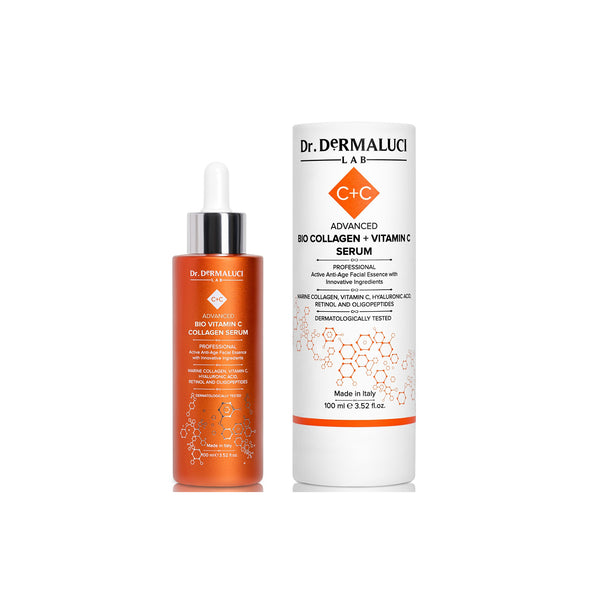
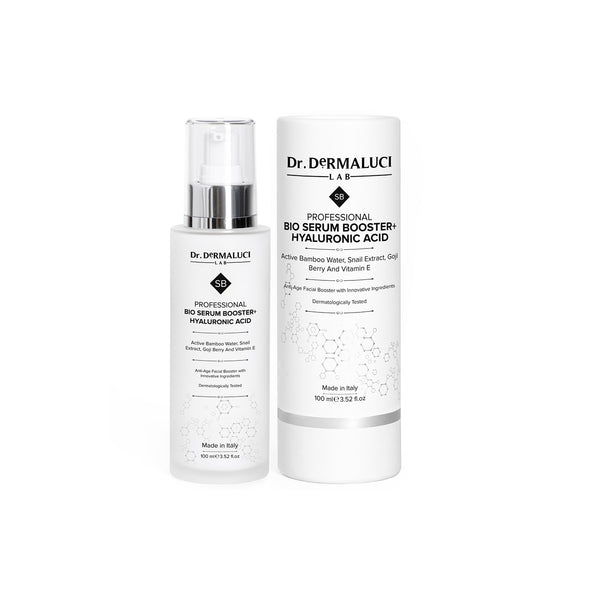
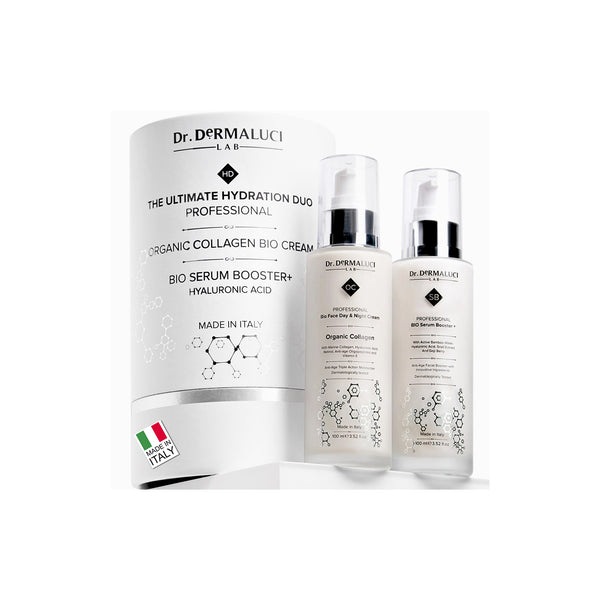
2️. Serum: Vitamin C + Collagen Serum — neutralizes free radicals generated by blue and NIR light.
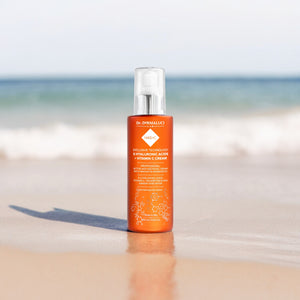
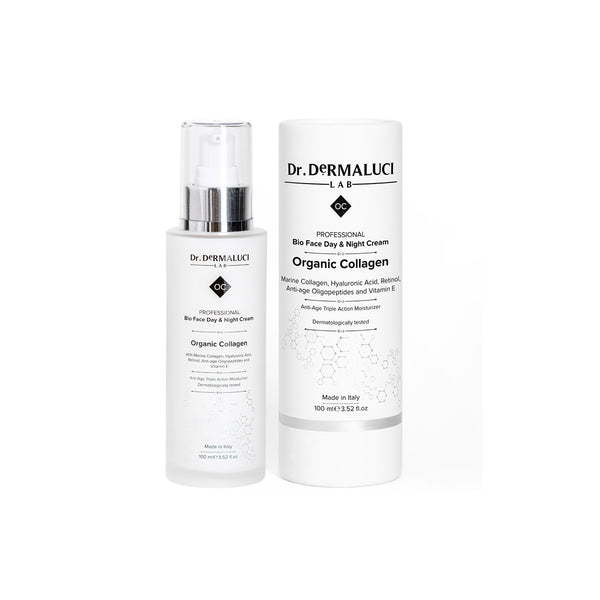
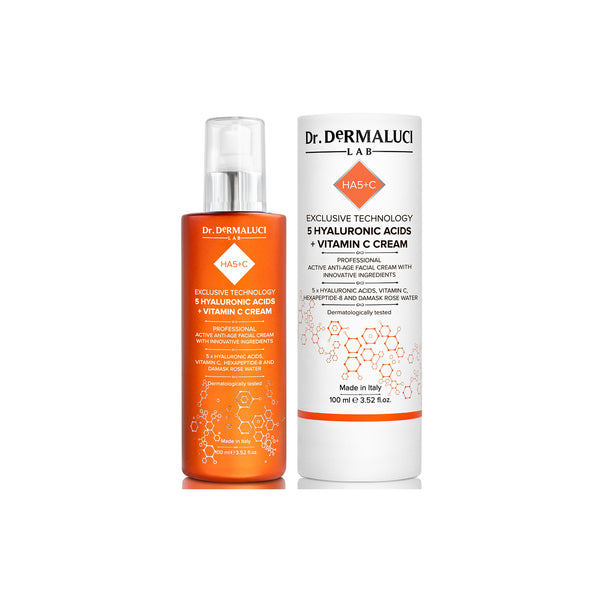
3️. Cream: 5x Hyaluronic Acid + Vitamin C Cream — replenishes moisture and fortifies the barrier.
4️. Protection: SPF 50 Daily Defense — provides UVA/UVB protection and adds a layer against visible light.
Tip: reduce direct screen brightness at night and activate “blue-light filters” on your devices to complement your skincare.
❓FAQs
1. Is blue light damage proven?
Yes. Peer-reviewed dermatological studies show oxidative markers and pigmentation changes after prolonged HEV exposure.
2. Can SPF protect from blue light?
Some mineral and tinted SPFs offer partial protection by reflecting visible light — always choose broad-spectrum formulas.
3. Can light also help skin?
Yes — controlled LED red light therapy can stimulate collagen. It’s all about wavelength, dose, and balance.
✅ Benefits Checklist
☑ Protects against digital-age photoageing
☑ Boosts antioxidant defense
☑ Prevents pigmentation and dullness
☑ Strengthens collagen and elasticity
☑ Complements LED-based beauty routines
🔗 Related Article
Read next: The Skin Microbiome: How Bacteria, Peptides & Prebiotics Protect Your Skin


