



 Verified by shop


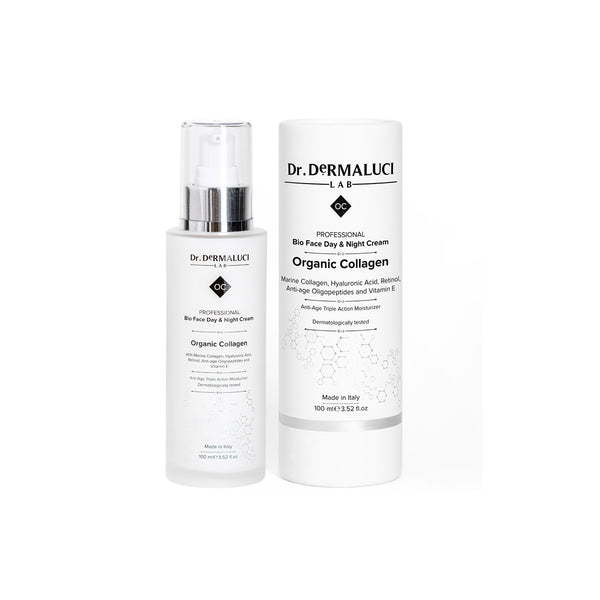
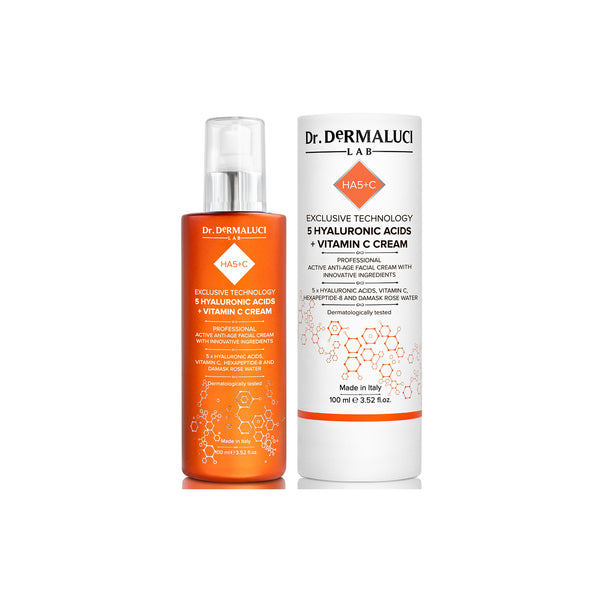
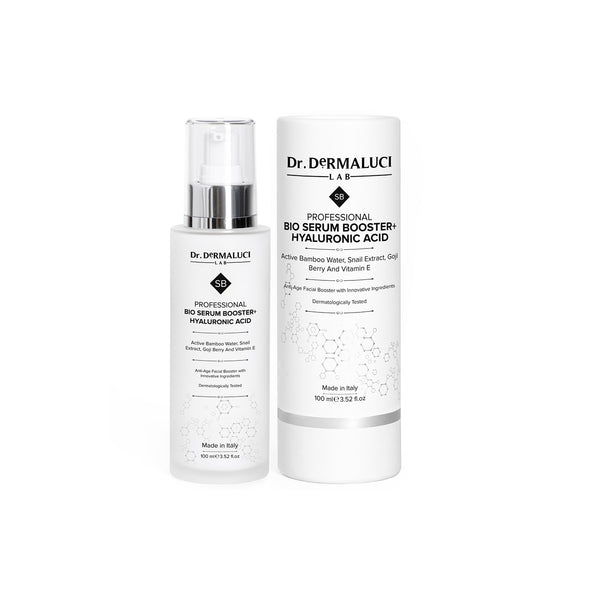
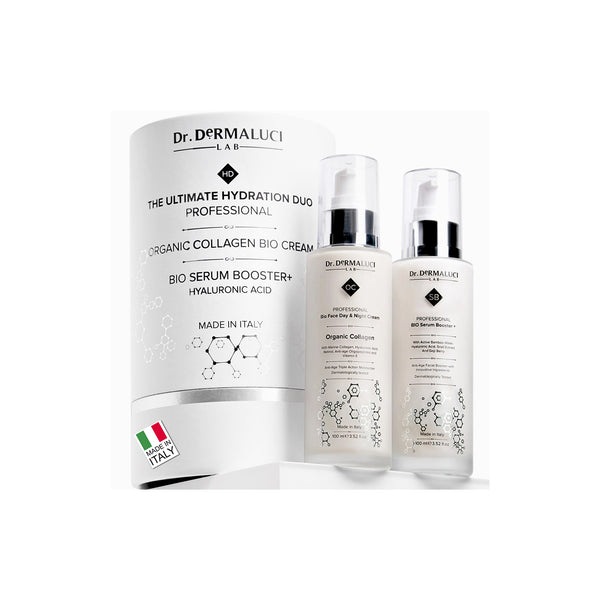


Collagen Inside & Out: Do Creams, Serums, or Supplements Really Improve Skin Elasticity?

Collagen is one of the skin’s most important structural proteins. It gives the dermis its firmness, elasticity, and resilience. Unsurprisingly, collagen-based skincare and supplements have become incredibly popular — but do they actually work?
This article is part of our Skin Aging pillar cluster. For the foundational framework, see our complete guide to skin aging.
The scientific answer is nuanced.
- Collagen supplements: Some clinical studies support improvements in hydration, elasticity, and wrinkle depth
- Collagen creams and serums: They cannot reach the dermis, but they improve hydration, surface smoothness, and comfort, which indirectly enhance skin elasticity and appearance
Understanding how collagen works — both inside and outside the body — helps create realistic expectations and smarter anti-aging strategies.
This topic is closely connected to Complete Guide to Skin Aging: Causes, Prevention and Science-Backed Anti-Aging, where collagen decline is one of the key drivers of visible skin aging.
Understanding Collagen Loss
Starting in the mid-20s, collagen decreases by approximately 1% per year. This decline accelerates due to:
- UV exposure
- Pollution
- Smoking
- Chronic inflammation
- Poor barrier function
- Hormonal changes
These factors lead to:
- Fine lines
- Reduced elasticity
- Thinner skin
- Increased fragility
Hormonal decline, dehydration, and inflammation also contribute to collagen breakdown, as explored in:
Because collagen forms in the dermis, any product claiming to “deliver collagen deep into the skin” should be examined carefully.
Do Collagen Supplements Work?
Some peer-reviewed studies and meta-analyses suggest that oral hydrolyzed collagen may:
- Improve skin hydration
- Improve elasticity
- Reduce wrinkle appearance
- Support fibroblast activity
However, there are important limitations:
- Many studies are small
- Some are industry-funded
- Results vary significantly between individuals
- Benefits typically require 8–12 weeks of use
Typical doses used in studies range from 2.5–10 g per day.
Conclusion:
Collagen supplements may help some individuals, particularly when combined with antioxidants, hydration, and consistent skincare.
Do Collagen Creams or Serums Work?
Topical collagen molecules are too large to penetrate into the dermis. This is well established in dermatology.
However, this does not mean collagen creams are ineffective.
Topical collagen provides:
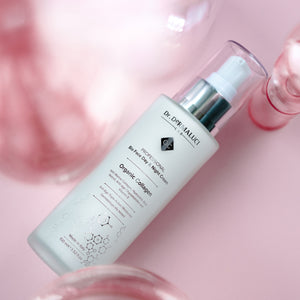
- Surface hydration
- Film-forming moisture retention
- Improved texture
- Reduced roughness
- Smoother appearance
These hydration effects can improve the appearance of elasticity and firmness.
Hydration and elasticity are closely linked, as explained in Hyaluronic Acid for Skin: The Complete Hydration Guide.
Collagen + Hyaluronic Acid + Peptides: The Gold Standard
Modern anti-aging formulations combine collagen with ingredients that support elasticity more effectively:
- Multi-weight Hyaluronic Acid → hydration at multiple skin levels
- Peptides → collagen-supporting signals
- Vitamin C → collagen synthesis support
- Antioxidants → protection from oxidative damage
- Botanical extracts → barrier and comfort support
This combination supports:
- Hydration
- Firmness
- Elasticity
- Skin comfort
Peptide-based repair strategies are discussed in:
How to Combine Collagen Inside & Out
Topical Routine
Daily skincare may include:
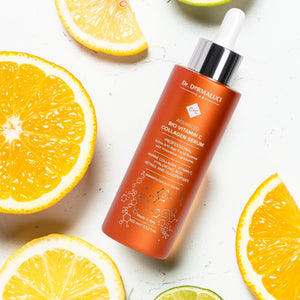
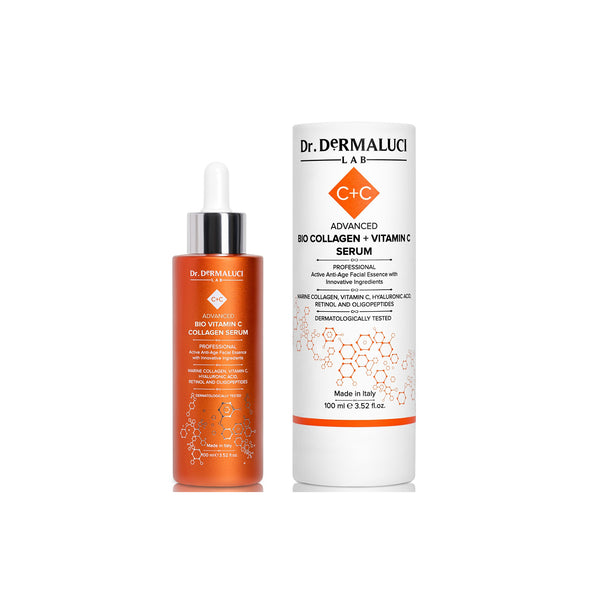
- Collagen serum with vitamin C
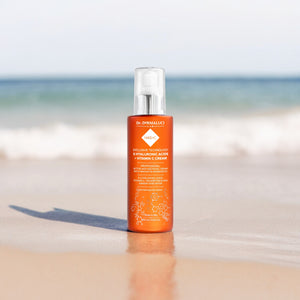
- Multi-weight hyaluronic acid cream
- Peptide-based hydration products
These help improve hydration, texture, and elasticity appearance.
Supplements (Optional)
Hydrolyzed collagen peptides:
- 2.5–10 g per day
- Combine with vitamin C
- Expect gradual improvements after 8+ weeks
Lifestyle Factors
Skin elasticity also depends on:
- Daily SPF protection
- Antioxidant-rich diet
- Good sleep
- Stress management
- Avoiding smoking
- These factors significantly influence collagen preservation.
Frequently Asked Questions (FAQ)
Do collagen creams improve elasticity?
Collagen creams improve hydration and skin smoothness, which can enhance the appearance of elasticity.
Are collagen supplements effective?
Some studies show improvements in hydration and elasticity, but results vary.
Is topical collagen useless?
No. Topical collagen improves hydration and surface texture, which contributes to smoother-looking skin.
Are peptides better than collagen?
Peptides help stimulate collagen production, while collagen hydrates and smooths. They work best together.
How long before collagen improves elasticity?
Topical hydration effects may appear quickly, while supplements typically require 8–12 weeks.
Checklist
- Collagen declines with age
- Supplements may support elasticity
- Topical collagen improves hydration
- Peptides support collagen production
- Hyaluronic acid improves elasticity
- Multi-ingredient formulas work best
Related Article (Anti-Aging Pillar)


