



 Verified by shop


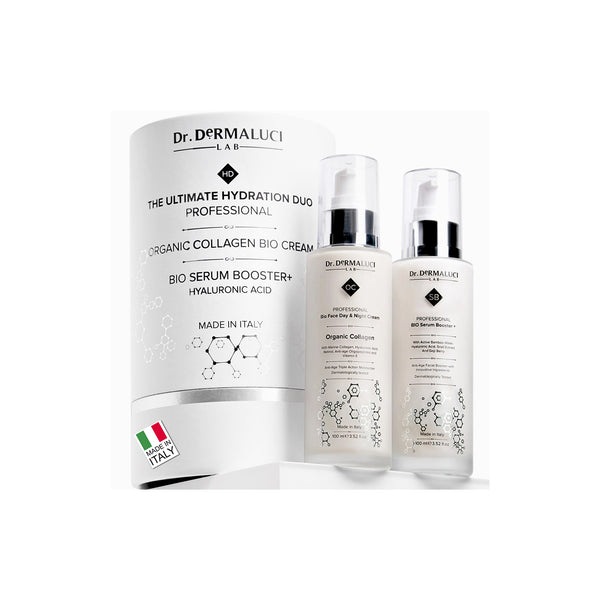


Anti-Aging Actives Ranked: What Actually Has Evidence (And What Doesn't)

Part of our pillar
This article belongs to our pillar on Complete Guide to Skin Aging — the foundational framework for understanding what slows visible ageing and what doesn't.
Walk through any skincare aisle and almost every product makes an anti-ageing claim. Almost every ingredient is positioned as the next breakthrough. Almost every percentage is described as "clinical strength." The result: a market overwhelmed with options that mostly do not deliver, around a small group of ingredients that genuinely do.
This article ranks the anti-ageing actives with the strongest clinical evidence behind them, in order of how much visible ageing they actually slow — and how reliably. The aim is honesty over hype: which ingredients have decades of peer-reviewed support, which have promising but limited evidence, and which are mostly marketing.
The S-Tier: ingredients with overwhelming evidence
1. Sunscreen (broad-spectrum SPF 30+)
The single highest-impact anti-ageing intervention available. Multi-year studies consistently show that daily sunscreen use measurably slows visible skin ageing — fewer fine lines, less pigmentation, less texture damage, less collagen breakdown. The mechanism is straightforward: UV is the largest single driver of extrinsic ageing, and SPF prevents most of it from reaching the skin.
- What it does: blocks UV before it reaches the dermis, preventing photo-induced collagen breakdown, pigmentation, and DNA damage
- Realistic timeline: measurable at 12-24 months in comparative studies; cumulative over decades
- Cost-to-benefit: the best ratio in skincare; a €15 SPF used daily outperforms €500 serums used occasionally
2. Retinoids (retinol, retinaldehyde, prescription tretinoin)
The most studied topical anti-ageing molecule in dermatology. Decades of peer-reviewed evidence for fine line reduction, collagen support, pigmentation correction, pore refinement, and overall texture improvement. The hierarchy from gentlest to strongest: retinyl esters → retinol → retinaldehyde → tretinoin.
- What it does: binds nuclear receptors, drives collagen synthesis, accelerates turnover, normalises pigmentation signalling
- Realistic timeline: visible textural change at 4-6 weeks; fine line softening at 8-12 weeks; deeper structural change at 6-12 months
- Cost-to-benefit: excellent; mid-range OTC retinols at 0.3-0.5% deliver most of the benefit of prescription tretinoin with fewer side effects
The A-Tier: ingredients with strong evidence
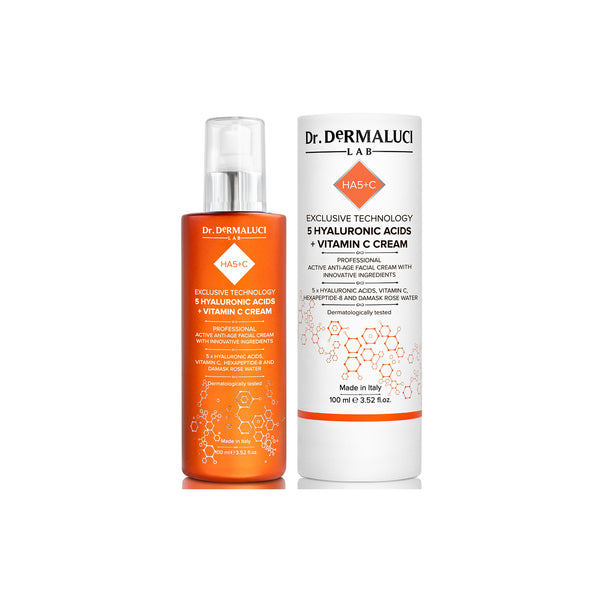
3. Vitamin C (L-ascorbic acid and stable derivatives)
One of the most consistently evidence-backed antioxidants in skincare. Acts as a free-radical scavenger, supports collagen synthesis as an essential enzyme cofactor, and brightens uneven tone. Stable derivatives (SAP, MAP, THDA, EAA) extend the molecule's usefulness to sensitive skin and unstable conditions.
- What it does: neutralises UV-induced free radicals, supports collagen production, inhibits melanin transfer
- Realistic timeline: brightening at 2-4 weeks; pigmentation at 8-12 weeks; cumulative collagen support over months
- Cost-to-benefit: very good; the form matters more than the brand or price
4. Niacinamide
Quietly one of the most useful ingredients in anti-ageing skincare. Strengthens barrier function (which slows ageing indirectly), calms inflammation (the driver of inflammaging), brightens pigmentation, supports antioxidant defence, regulates sebum. Broadly tolerated and compatible with almost every other active.
- What it does: tops up NAD+ pools that drive cellular repair, dampens inflammatory pathways, signals ceramide synthesis
- Realistic timeline: barrier improvements at 2-4 weeks; pigmentation at 8-12 weeks
- Cost-to-benefit: excellent; works at 2-5% concentrations, no need for premium pricing
The B-Tier: ingredients with good evidence in specific contexts
5. Peptides
A broad category with varying evidence depending on the specific peptide. Signal peptides (Matrixyl/palmitoyl pentapeptide, copper peptides) have meaningful evidence for collagen support. Acetyl hexapeptide-8 (Argireline) has limited evidence for expression-line softening. Most peptide products combine several with overall modest cumulative effect.
- What they do: signal fibroblasts to produce more collagen and elastin, support structural protein synthesis
- Realistic timeline: 8-12 weeks for visible change; works synergistically with retinol
- Cost-to-benefit: moderate; cheaper products often use peptide forms with thin evidence
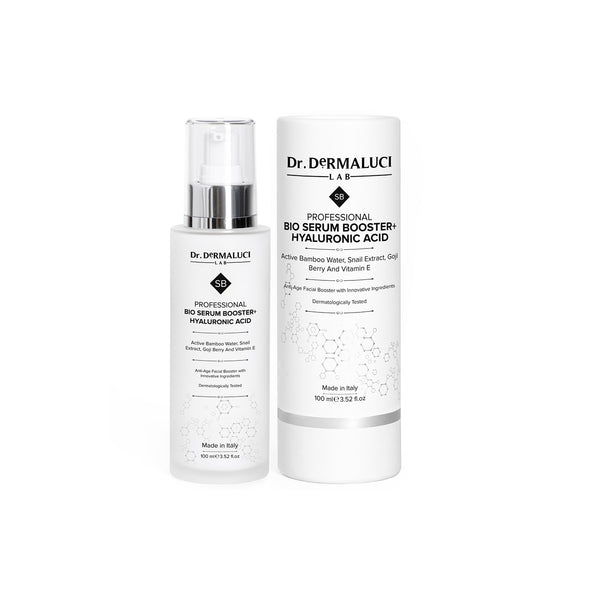
6. Hyaluronic acid (multi-weight)
Excellent for hydration and dehydration-line reduction. Modest for true anti-ageing — does not address collagen or elastin directly. Best understood as foundational hydration support that amplifies the work of other actives.
- What it does: pulls water into upper skin layers, reduces TEWL, supports barrier hydration
- Realistic timeline: immediate; long-term contributes to overall skin quality
- Cost-to-benefit: good; molecular weight blend matters more than percentage
7. Ceramides + cholesterol + free fatty acids
Essential after 40 when natural production declines. Directly replace lost barrier lipids, reducing the inflammation and water loss that drive accelerated ageing.
- What they do: rebuild the lipid matrix of the stratum corneum
- Realistic timeline: comfort improves within days; barrier function strengthens over weeks
- Cost-to-benefit: excellent; foundational for menopausal and mature skin
8. AHAs and BHAs (used moderately)
Glycolic acid, lactic acid, salicylic acid have evidence for texture, pigmentation and pore refinement. Anti-ageing benefit is real but secondary to retinol. Daily use causes more problems than weekly use solves.
- What they do: controlled exfoliation, mild collagen support, pigmentation
- Realistic timeline: 4-8 weeks for visible texture; pigmentation over 12 weeks
- Cost-to-benefit: good if used correctly; harmful if overused
The C-Tier: ingredients with promising but limited evidence
9. Polyphenols (resveratrol, green tea EGCG, ferulic acid)
Antioxidant defence with some collagen-supporting effects. Best as part of a layered antioxidant approach rather than as a primary intervention.
10. Bakuchiol
Plant-derived alternative to retinol with some shared gene-pathway activation. Weaker than retinol but useful for pregnancy, severe retinol intolerance, or as a gateway active.
11. Coenzyme Q10 (ubiquinone)
Mitochondrial antioxidant with modest topical evidence. Better evidence orally than topically.
12. Snail mucin
Growth factors and glycoproteins with some healing and texture support. Cultural popularity exceeds the strength of the clinical evidence, but the safety profile is excellent.
The D-Tier: ingredients that mostly underdeliver
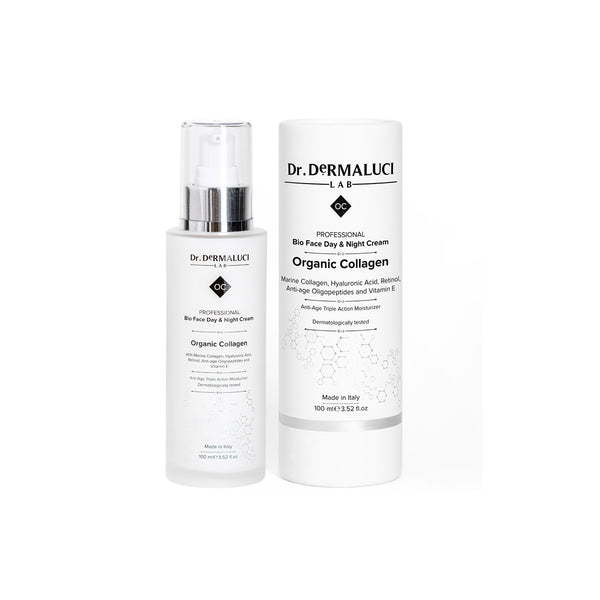
- "Collagen creams" — collagen molecules are too large to penetrate skin; topical collagen sits on the surface as a basic moisturiser
- Most "stem cell" creams — the active components are usually peptides or growth factors; the "stem cell" language is marketing
- "Anti-pollution" claims without specific antioxidants — buzzword without mechanism
- Most "detox" creams — skin does not store toxins; the concept does not match skin biology
- "Crystal-infused" or "moonstone" claims — no biological mechanism
- "Anti-blue light" claims without specific antioxidants — same buzzword issue as anti-pollution
- Most "DNA repair" claims — niche enzymes exist but the average product does not contain them at active concentrations
How to build a routine from the top tiers
A high-evidence anti-ageing routine, drawing only from S-Tier and A-Tier ingredients:
Morning
- Gentle cleanser or water rinse
- Vitamin C serum
- Niacinamide serum (or combined product)
- Hyaluronic acid on damp skin
- Ceramide moisturiser
- Broad-spectrum SPF 30+
Evening
- Non-foaming cleanser
- Retinol 3-5 nights weekly (lower frequency during introduction or barrier sensitivity)
- Peptide serum on non-retinol nights
- Hyaluronic acid on damp skin
- Rich ceramide moisturiser
Weekly
- One AHA/BHA exfoliation evening, alternate with retinol nights
This is the entire evidence-backed anti-ageing routine. Everything else is supplementary — sometimes beneficial, rarely transformative.
Frequently asked questions
What is the single most important anti-ageing product?
Sunscreen. Daily, broad-spectrum, SPF 30 or higher. No other intervention comes close in cost-to-benefit ratio.
If I can only afford two products, which two?
Sunscreen and retinol. These two address the largest single driver of extrinsic ageing (UV) and the most evidence-backed collagen support, respectively.
Is more expensive always better?
No. Premium formulations sometimes use better delivery systems or higher-quality actives, but the most important anti-ageing ingredients (SPF, niacinamide, retinol, vitamin C derivatives) all have excellent budget options. Pay for what is in the bottle, not for the bottle.
Why do influencers recommend so many other products?
Most influencer recommendations are paid placements or affiliate sales. The actual evidence base for anti-ageing is much narrower than the breadth of recommended products would suggest.
Can I rely on diet alone for anti-ageing?
No — diet matters, but UV protection and topical retinoids do things that diet cannot. Diet and lifestyle complement topical interventions; they do not replace them.
How long until I see results from an evidence-based routine?
Brightness and barrier comfort: 2-4 weeks. Pigmentation and tone: 8-12 weeks. Fine lines and structural change: 3-12 months.
Does this routine work for men too?
Yes. Male skin has slightly different lipid composition and is somewhat thicker, but the same active ingredients work through the same biology.
Should I cycle these ingredients?
No — the most effective anti-ageing comes from consistent daily use. Cycling is mostly a marketing concept; the underlying biology rewards consistency.
Your evidence-based routine checklist
- Daily broad-spectrum SPF 30+ every morning (the single most important step)
- Retinol nightly or 3-5 nights weekly at an appropriate concentration
- Vitamin C morning (LAA or derivative based on skin tolerance)
- Niacinamide once or twice daily
- Hyaluronic acid on damp skin, morning and night
- Ceramide moisturiser as the final step
- Peptide serum on non-retinol evenings
- One AHA/BHA exfoliation per week, alternating with retinol
- Avoid C-Tier and D-Tier marketing claims as primary purchase drivers
- Track results with photos every 4 weeks in consistent lighting
- Give the routine 6-12 months before re-evaluating ingredient choices
- Layer lifestyle interventions (sleep, diet, sun avoidance, no smoking) — they multiply topical results
Related reading


