



 Verified by shop




Anti-Aging Routine 40+: The Skincare Steps That Matter Most

Skin at 40 is not a worse version of skin at 30. It is a different organ, behaving on a different set of rules. Cell turnover slows. The dermis thins. Sebum production drops, sharply for many women during perimenopause. Decades of accumulated UV exposure begin to surface as pigmentation, fine lines, and slackness around the jaw and neck. None of this is failure. It is biology shifting into a new phase, and the routines that worked at 30 were never designed for the skin you have now. This article lays out what actually changes after 40, and the hierarchy of steps that meaningfully move the needle.
This article is part of our Skin Aging pillar cluster. For the foundational framework on how skin ages and what protects it, see our complete guide to skin aging.
What actually changes at 40+
The biology shift after 40 is not one process but several, layered on top of each other. Understanding which one is driving a specific change helps you treat the cause rather than chase the symptom.
- Collagen loss accelerates. From around age 30, the dermis loses roughly 1 percent of its collagen per year. In perimenopause, that rate can roughly double for several years before settling. Less collagen means less structural support, which shows up as fine lines, thinner skin, and softer facial contours.
- Elastin degrades and is not replaced. Elastin is the protein that lets skin snap back. The body essentially stops producing meaningful new elastin in adulthood, so what you lose stays lost. This is why pinching the back of the hand at 45 looks different from pinching it at 25.
- Cell turnover slows. Renewal cycles stretch from roughly 28 days in your 20s to closer to 40-50 days in your 40s. Dead cells linger longer, surfaces dull, products absorb less efficiently.
- Estrogen drops in perimenopause. The hormonal shift drives major skin change: drier surface, thinner barrier, more reactive skin, and visible loss of fullness. Estrogen is involved in collagen synthesis, sebum production, and hyaluronic acid generation, so its decline affects most of the visible skin economy at once.
- Photoaging surfaces. The UV exposure you accumulated in your teens, 20s, and 30s now manifests as sun spots, uneven tone, and texture change. This is the largest single driver of how skin looks at 40+, which is why prevention now still matters enormously.
- Fat pad redistribution. The deep fat compartments of the face thin and slip downward, while superficial fat can stubbornly accumulate elsewhere. This is a structural change, not a skincare change, but it shapes what skincare can and cannot do.
The honest version is that no topical routine reverses these processes. What a smart routine does is slow further damage, support the skin you have, and steadily improve the visible surface over months. Aging unfolds in phases rather than as a smooth decline, which is why a quiet decade like 30-40 can suddenly feel very different in the early 40s.
The hierarchy of what actually matters
One of the most common 40+ mistakes is treating every active ingredient as equally important and piling them all on. The data does not support that. There is a clear hierarchy, and the difference in effect size between the top of the list and the bottom is large.
1. Daily SPF, every morning, all year
This is not a tie. Research consistently estimates that around 80 percent of visible facial aging is photoaging, meaning it is driven by UV exposure rather than intrinsic biology. No active ingredient comes close to the effect size of consistent daily sunscreen use. Our deeper write-up on sun protection as the number-one anti-aging step covers the data in detail, and the companion piece on next-generation UV filters explains why modern European formulations feel and perform very differently from the sunscreens of a decade ago.
At 40+, the specific SPF habits that matter most:
- Year-round, indoors and outdoors. UVA is present at constant intensity and passes through clouds and window glass.
- Two finger-lengths to face plus neck. Underapplication is the single most common reason real-world SPF underperforms its label.
- Reapply if you are outdoors for hours. The label dose assumes a fresh, intact layer.
- Choose a formulation you actually enjoy. The best SPF is the one you wear every day without resentment.
2. A consistent retinoid, at a dose your skin actually tolerates
Retinoids remain the single best-studied topical anti-aging active. They normalise cell turnover, support collagen production, fade pigmentation slowly, and refine surface texture. Our complete guide to retinol walks through the mechanism and how to start.
The key insight for 40+ skin is that low-dose nightly use beats intense sporadic use. Skin that is irritated does not make new collagen well, and the inflammation cycle itself accelerates aging. A 0.1 to 0.3 percent retinol used three to five nights a week, consistently, will outperform a 1 percent retinol used once a week and abandoned for a fortnight every time it irritates.
3. A stable vitamin C in the morning
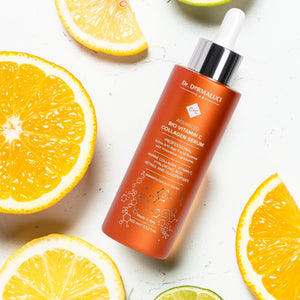
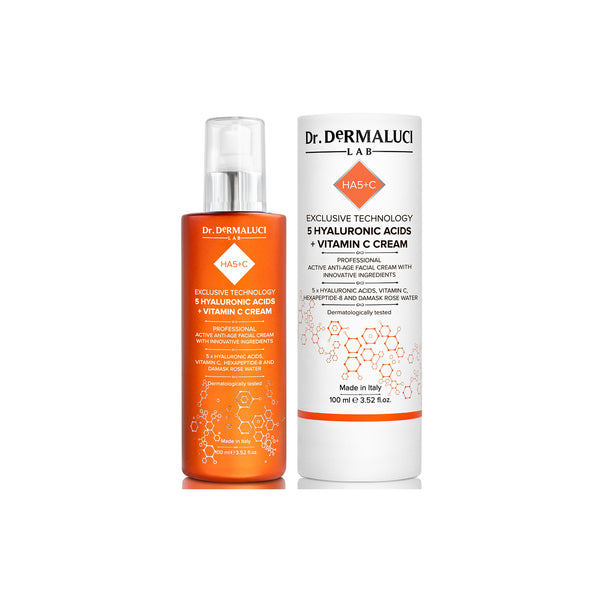
Vitamin C is the second-best-studied antioxidant for skin and pairs naturally with sunscreen. It neutralises free radicals generated by UV that filters did not stop, supports collagen synthesis as a cofactor, and slowly brightens pigmentation. Our complete guide to vitamin C for skin goes deep on the chemistry, including why morning application alongside SPF is the highest-leverage pairing for 40+ routines.
At 40+, choose a stable derivative if your skin is reactive. Sodium ascorbyl phosphate, ascorbyl glucoside, and ethyl ascorbic acid are gentler than pure L-ascorbic acid while still delivering on the antioxidant role.
4. A barrier-supportive moisturiser
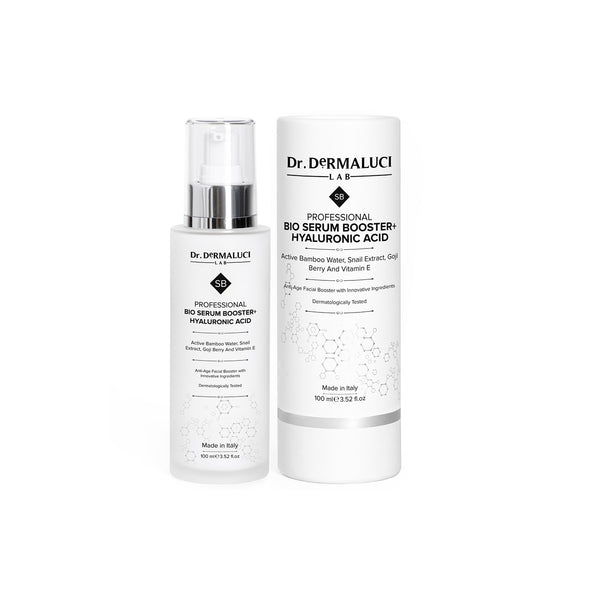
The thinner, drier skin of perimenopause needs a moisturiser that does more than sit on the surface. Ceramides replenish the lipids your barrier is losing. Hyaluronic acid pulls and holds water in the upper dermis. Peptides signal repair without irritating. Our deep dive on the role of peptides in skin renewal explains how these messenger molecules support the dermis without the irritation profile of retinoids, and the broader piece on why skin barrier repair is the foundation of every routine sets the wider orientation.
5. Niacinamide for tone and barrier resilience
Niacinamide is one of the most polite ingredients in skincare. It evens tone, calms low-grade redness, supports the lipid barrier, and pairs well with almost everything else. At 40+, where pigmentation and patchiness are common, it is a quiet but reliable workhorse, and tolerated by most reactive skin.
6. Sleep, stress, nutrition
This is not a skincare cop-out. The data is consistent that chronic poor sleep and chronic stress elevate cortisol, which degrades collagen and disrupts the barrier. Our article on how stress accelerates skin aging explains the mechanism, and at 40+, when reserves are smaller and recovery is slower, these foundations matter more, not less.
The perimenopause shift, briefly
Perimenopause typically begins in the early-to-mid 40s and runs for several years before menopause itself. Estrogen does not drop in a smooth line, it fluctuates, then declines. Our piece on menopause and skin goes into detail on the topical response, with a focus on peptides, hyaluronic acid, and adaptogens.
The skin consequences are recognisable to anyone living through them:
- Skin that was oily-combination for thirty years suddenly feels tight after cleansing
- Redness flares more easily, and recovery from any irritation takes longer
- Products that were comfortable become stinging, pilling, or simply uncomfortable
- Visible fullness around the cheeks and jaw softens, sometimes over months
- Sleep disturbance compounds the skin effects through cortisol and recovery loss
The pattern to recognise is that perimenopause demands a barrier-first response, not a more-actives response. When the lipid layer thins and reactivity rises, layering more retinol, more acids, and more vitamin C will backfire. The smart move is to protect the barrier, reduce the irritation load, and keep the high-leverage actives consistent rather than aggressive.
For a wider view of how the hormonal shifts of midlife change what your skin can tolerate, expect product reactions to shift too. Cleansers that felt neutral may begin to strip. Toners with alcohol may start to sting. This is not the products getting worse, it is the skin's threshold moving.
What to skip after 40
More is not better, and the 40+ decade is where this becomes obvious. A common pattern is layering peptides, retinol, exfoliating acids, and vitamin C night after night, then wondering why the skin is reactive, dehydrated, and dull at the same time. The skin's tolerance often quietly decreases with age, and the older approach of stacking five actives stops being sustainable.
- Do not pile actives on the same night. Retinol and AHAs on the same evening is rarely a good idea after 40. Alternate, or drop one entirely.
- Do not chase the highest concentration available. A well-tolerated 0.3 percent retinol used consistently beats a 1 percent retinol used inconsistently.
- Do not over-exfoliate. Slower cell turnover does not automatically mean you need stronger acids. A gentle AHA or PHA once or twice a week is plenty for most people.
- Do not abandon your moisturiser to fit more serums in. The barrier is the foundation of everything else working.
- Do not chase trends without auditing what they replace. Adding a new active to a routine that is already full almost always backfires.
If your skin is already showing signs of overload, the path back is usually fewer products, gentler cleansing, and a focused barrier-rebuild phase before any actives go back in.
A realistic morning and evening at 40+
A workable structure does not need to be long. The honest version is two simple sequences, executed consistently for months.
Morning:
- Gentle cleanser, or just water on most days
- Stable vitamin C serum
- Barrier-supportive moisturiser with ceramides, hyaluronic acid, peptides
- SPF, two finger-lengths to face plus neck, every day
Evening:
- Gentle cleanser (double cleanse if wearing SPF and makeup)
- Retinoid, three to five nights a week, on dry skin
- Niacinamide serum on non-retinoid nights, or layered carefully with retinol
- Richer moisturiser, with peptides and ceramides
- Optional facial oil on top in winter or when skin feels tight
This is roughly what a sensible weekly cadence looks like. The list is short on purpose. Consistency is doing more work here than complexity.
Realistic expectations and timing
Anti-aging at 40+ is a maintenance game, not a renovation. The visible effects of consistent retinoid use, daily SPF, and barrier support show up over six to twelve months, not six to twelve weeks. The reason is biology: collagen synthesis is slow, pigmentation fades from the deeper layers outward, and the dermis takes months to remodel.
What this looks like in practice:
- Weeks 2-4: surface texture starts to refine, makeup sits better
- Months 2-3: tone evens, some pigmentation lightens, redness calms
- Months 6-9: fine lines around the eyes and mouth visibly soften
- Months 9-12: cumulative collagen support shows in firmness and bounce
The mistake to avoid is restarting from scratch every few months. Skin that is being asked to adjust to a new routine every six weeks never accumulates the months of consistency that the data shows actually matter. Our article on why skin improvements stall covers the most common reason people lose momentum.
Quick action checklist
- ✓ Apply broad-spectrum SPF every morning, all year, two finger-lengths to face plus neck
- ✓ Use a low-to-medium-dose retinoid three to five nights a week, consistently
- ✓ Add a stable vitamin C serum in the morning to amplify your SPF
- ✓ Choose a moisturiser with ceramides, hyaluronic acid, and peptides for barrier support
- ✓ Add niacinamide on non-retinoid nights, or in your morning routine, for tone and resilience
- ✓ Drop one active before adding a new one, do not stack indefinitely
- ✓ Protect sleep and reduce chronic stress, the skin notices both
- ✓ Give the routine six to twelve months before judging it
Frequently asked questions
Is it too late to start an anti-aging routine at 45 or 50?
No. The skin continues to respond to daily SPF, retinoids, vitamin C, and barrier support at every age. The effect size is smaller when you start later because you cannot un-do accumulated damage, but the slope of further damage absolutely changes. Starting at 45 still meaningfully improves how your skin looks at 55.
Do I need a separate eye cream after 40?
Not necessarily. The eye area has thinner skin, fewer oil glands, and shows expression lines first, but most well-formulated face moisturisers and serums work there too. A dedicated eye product matters most if the formulation around the eye needs to differ from the rest of the face, for example a lighter retinoid concentration or added peptides. Otherwise it is a comfort, not a requirement.
Should I switch to richer creams now that my skin feels drier?
Often yes, but choose richness based on ingredients, not just texture. A heavy occlusive cream without ceramides or peptides will trap moisture but not repair the barrier. The most useful upgrades are usually ceramides, cholesterol, fatty acids, and peptides, in a base that feels comfortable on perimenopausal skin.
Can I use retinol and vitamin C in the same routine?
Yes, with timing. Vitamin C in the morning, retinol in the evening is the standard pattern and works well at 40+. Layering them in the same evening is possible but rarely worth the irritation risk on perimenopausal skin.
Are peptides a real alternative to retinol if my skin cannot tolerate it?
Peptides are genuinely useful and gentler than retinol, but they are not a one-for-one swap on the wrinkle and pigmentation side. They support collagen-relevant signalling without the irritation profile, which makes them excellent for sensitive 40+ skin or as a complementary layer. The honest framing is that peptides earn a spot in the routine, not that they replace what retinol does.
Does collagen cream actually rebuild collagen in the skin?
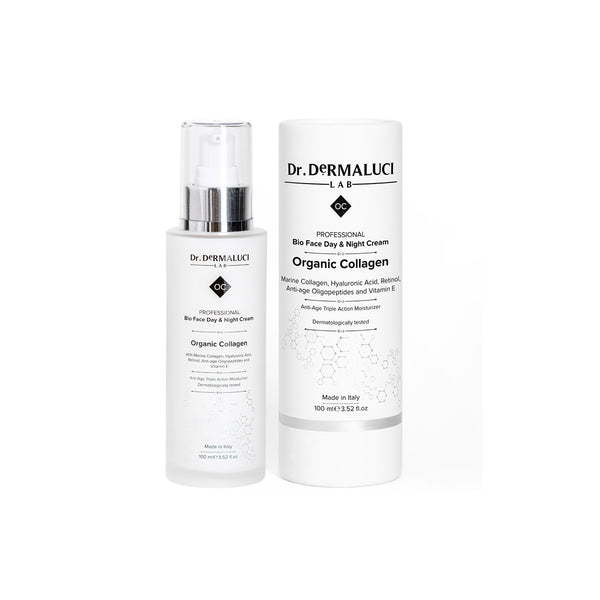
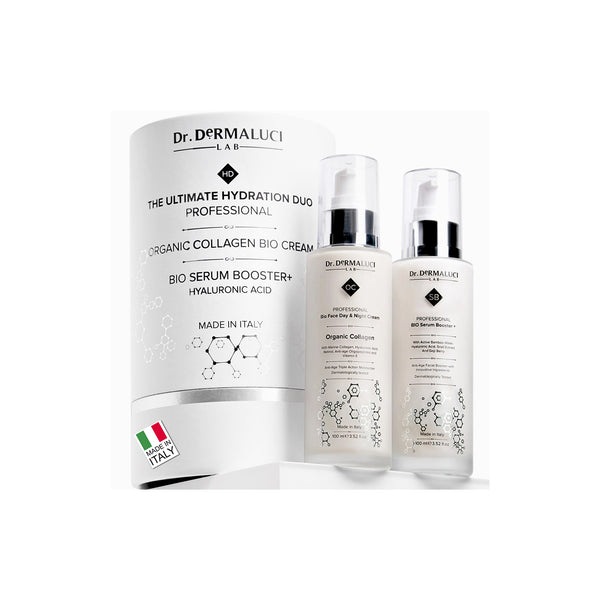
No. Collagen molecules are too large to penetrate the skin meaningfully when applied topically. What collagen creams do is hydrate the surface and sometimes deliver other useful actives in the same formula. The actives that support your own collagen production are retinoids, vitamin C, peptides, and sunscreen by preventing further breakdown.
How long should I give a new product before deciding it is not working?
Most actives need at least eight to twelve weeks of consistent use to show visible change, and retinoids can take longer. The exception is irritation: a product that is consistently stinging or causing breakouts after two to three weeks is not the right product for your skin right now.
Does what I eat actually show up on my skin at 40+?
Yes, more than it did at 25. The gut-skin axis becomes more visible with age, partly because barriers everywhere thin and partly because chronic low-grade inflammation accumulates. Lower glycaemic load, more omega-3s, and consistent fibre are the dietary patterns with the most consistent skin evidence.
Related articles
- → Complete Guide to Skin Aging: Causes, Prevention and Science-Backed Anti-Aging
- → Menopause and Skin: Peptides, Hyaluronic Acid and Adaptogens for Mature Skin
- → Sun Protection: The Number One Anti-Aging Step Backed by Science
- → Complete Guide to Retinol for Skin: Benefits, How It Works, and How to Use It Safely


