



 Verified by shop




Cortisol Face: How Chronic Stress Changes Skin Structure (And How to Calm It)

"Cortisol face" became a viral term for skin changes linked to chronic stress: puffiness, dullness, sudden breakouts, new sensitivity, and what looks like faster aging in the mirror. The phrase is informal, but the biology behind it is real. When cortisol stays elevated for weeks or months, it shifts collagen production, weakens the barrier, sustains low-grade inflammation, and slows recovery from anything the skin would normally bounce back from. Stressed skin does not just look tired — it behaves differently. Skincare can support the surface, but lasting improvement always involves the input side too.
This article is part of our Sensitive Skin pillar cluster. Foundational read: our sensitive skin cornerstone. Related: how stress affects your skin.
This article explains what cortisol is actually doing to skin structure, why topical care alone cannot reverse it, and the routine adjustments that help while the stress itself gets addressed.
What Cortisol Is and Why Skin Responds to It
Cortisol is the body's primary stress hormone, released by the adrenal glands in response to perceived challenge. In short bursts it is protective — it raises blood glucose, suppresses non-essential functions, and primes the body for action. The problem is sustained elevation. When stress becomes a state rather than an event (chronic work pressure, ongoing anxiety, sleep debt, caregiving load), cortisol stays high enough to start disrupting normal cellular function in tissues that have cortisol receptors.
Skin has plenty of cortisol receptors. Fibroblasts (collagen-producing cells), keratinocytes (barrier cells), sebaceous glands, and immune cells in skin all respond to cortisol signaling. That means chronic stress is not "in your head" as far as skin is concerned — it is a direct biochemical input.
How Chronic Stress Changes Skin Structure
1. Reduced Collagen and Elastin Synthesis
Elevated cortisol suppresses fibroblast activity. Fibroblasts produce collagen and elastin, the structural proteins that give skin firmness and elasticity. Reduced fibroblast output means slower replacement of the collagen lost daily through normal turnover. Over months, this shows up as loss of firmness, reduced density, earlier fine lines — the appearance changes people often attribute to age but that are actually accelerated by stress.
2. Weakened Skin Barrier Function
Stress reduces the production of barrier lipids (ceramides, fatty acids) in the stratum corneum. A compromised skin barrier loses water faster (higher trans-epidermal water loss) and lets irritants in more easily. The skin becomes reactive to products that were previously fine, dries out faster, and shows visible dullness. The ceramide-niacinamide-panthenol trio is the documented intervention for rebuilding a stress-compromised barrier.
3. Sustained Low-Grade Inflammation
Chronic cortisol exposure paradoxically increases inflammatory signaling in skin (the relationship is complex — short-term cortisol is anti-inflammatory, long-term is pro-inflammatory in tissue). This shows up as persistent redness, uneven texture, recurring acne flares around the jaw and chin, rosacea-like flushing, and slower recovery from any inflammatory event. Our deeper read on the cortisol effect on collagen and skin aging covers the inflammation mechanism in detail.
4. Facial Puffiness and Fluid Retention
Cortisol influences fluid balance via its effect on sodium retention and capillary permeability. The result: morning puffiness, especially around the eyes and along the jawline, that persists longer than the typical "I slept on my face" pattern. This is the visible signature most often associated with the cortisol face label.
5. Disrupted Sebum and Acne Pattern
Stress modulates sebaceous gland activity through both cortisol and increased androgen sensitivity. The result is often hormonal-pattern acne (jaw, chin, lower face) that flares with stress periods. This is part of why adult acne behaves differently than teenage acne — the input drivers are different.
Why Skincare Alone Cannot Fully Fix Stress-Affected Skin
Topical skincare cannot override chronic hormonal signaling. Good products reduce visible inflammation, support barrier repair, and slow surface aging — but they cannot stop cortisol from being secreted. If the stress source remains and sleep stays insufficient, even an excellent routine plateaus quickly. The skin is downstream of the input; treating only the output produces partial results.
This does not mean skincare is useless during high-stress periods. It means routine and lifestyle interventions need to work in parallel. Our guide on how skincare supports stress-affected skin covers the partition of what each side can realistically do.
How to Adjust Your Routine During High-Stress Periods
Simplify, Do Not Add
The common mistake is to "do more" when skin acts up. With stress-affected skin, more usually means worse. Strip the routine to a gentle cleanser, a barrier-supporting moisturizer, broad-spectrum SPF in the morning, and only one well-tolerated active at night. Cut exfoliation entirely for two to four weeks. Avoid introducing new products during stress periods — your skin's threshold for irritation is lower than usual.
Prioritize Barrier Support
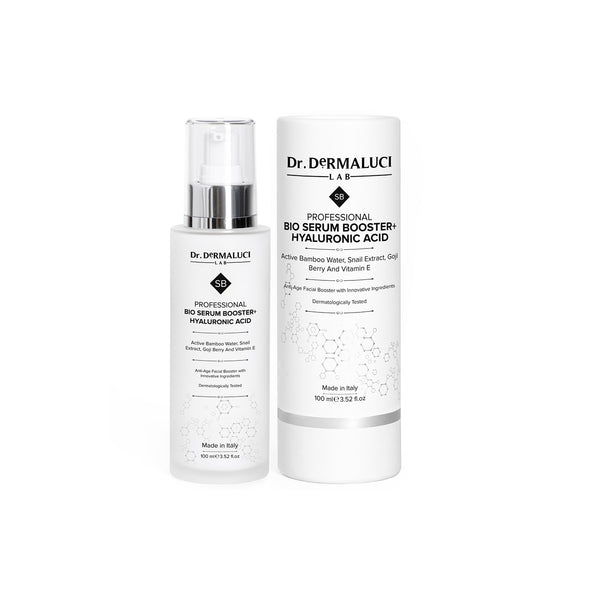
Lean into ceramides, niacinamide (5% for barrier support and gentle inflammation control), and multi-molecular hyaluronic acid. These actives help the skin rebuild its own defenses rather than pushing it harder. If barrier damage is severe, our routine reset protocol walks through the two-to-four-week stripped-back approach.
Daytime Antioxidants for Inflammation Defense
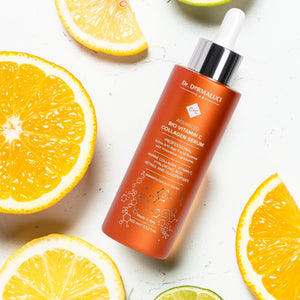
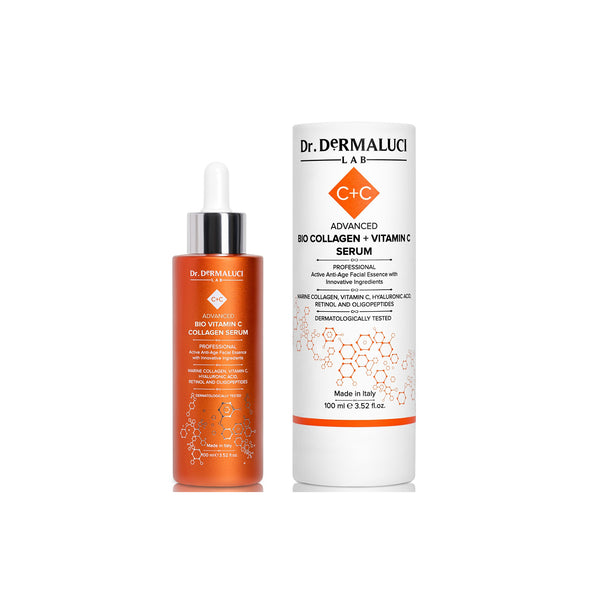
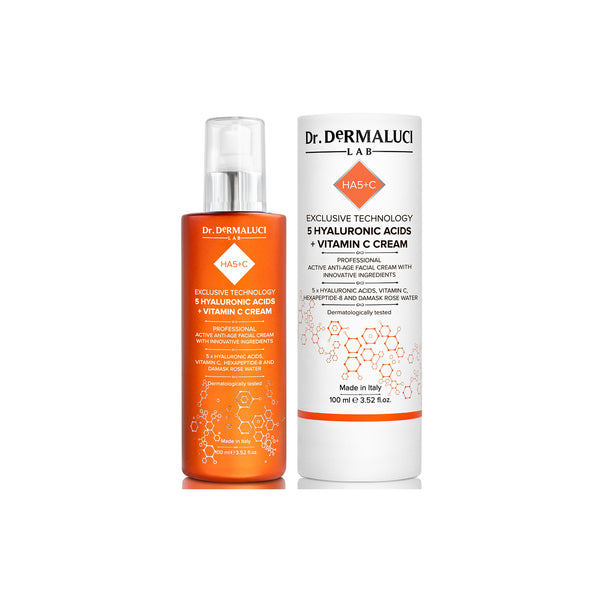
Stress-driven inflammation responds to topical antioxidants. A daily vitamin C serum in the morning helps neutralize free radicals generated by cortisol-related oxidative stress. Pair with broad-spectrum SPF for daytime protection.
Nighttime Repair Without Aggression
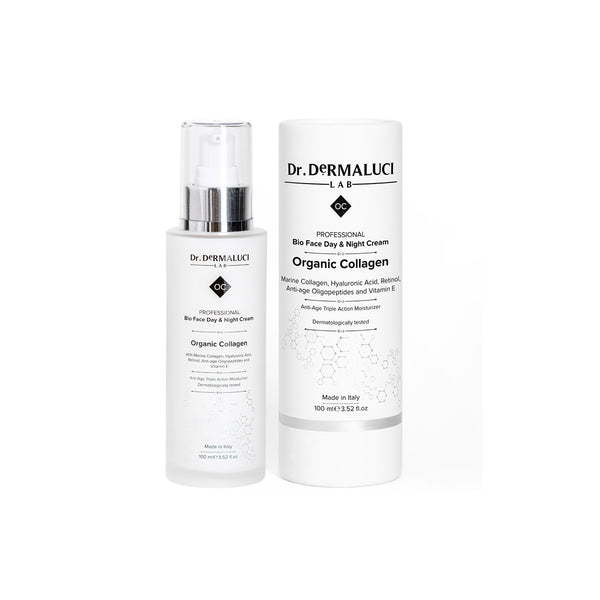
Nighttime is when skin does its repair work. Support this with a barrier-supporting cream, optionally a peptide serum for collagen support. Skip strong actives (retinol at full strength, AHA exfoliants) during peak stress periods — they ask the skin for repair capacity it does not have available.
Lifestyle Inputs That Actually Change Cortisol
The single biggest skincare upgrade for stress-affected skin is rarely a product. It is the input side:
- Sleep: Seven to nine hours consistently. Cortisol naturally drops at night; sleep deprivation prevents this drop. See our deep dive on sleep and skin.
- Movement: Daily walking or moderate exercise reduces baseline cortisol. Excessive intense exercise can raise it — moderation matters.
- Reduced caffeine and alcohol: Both elevate cortisol patterns. Sustained reduction (not necessarily elimination) shifts the baseline.
- Stress reduction practices: Whatever works for you — meditation, time outdoors, therapy, social connection, hobby time. Skin reflects nervous-system state.
- Hormonal awareness: Stress effects compound with hormonal shifts. Our guide on how hormonal shifts change product tolerance covers the interaction.
Checklist: Calming Cortisol-Affected Skin
- ✓ Simplify routine (gentle cleanser, barrier cream, SPF, one well-tolerated night active)
- ✓ Cut exfoliation for 2 to 4 weeks
- ✓ Lean into ceramides and niacinamide for barrier rebuild
- ✓ Daily vitamin C serum (morning) for antioxidant defense
- ✓ Avoid new product introduction during peak stress
- ✓ Sleep 7 to 9 hours consistently
- ✓ Reduce caffeine and alcohol pattern
- ✓ Identify and address the stress input itself
Frequently Asked Questions
Is cortisol face a real medical diagnosis?
No. It is an informal term used to describe a cluster of stress-related skin changes. The underlying biology (cortisol effects on fibroblasts, barrier lipids, inflammation, fluid balance) is well-documented, but "cortisol face" is not a clinical diagnosis. If you want medical evaluation, ask your dermatologist about chronic-stress skin patterns rather than using the social media term.
Can stress really age the skin visibly faster?
Yes. Chronic cortisol elevation reduces collagen and elastin production, sustains low-grade inflammation, and weakens the barrier — all three accelerate visible aging compared to the same person under lower stress. The visible difference between high-stress and low-stress life over five years can be the equivalent of several extra calendar years of skin aging.
Can cortisol cause adult acne?
Indirectly, yes. Cortisol increases inflammatory signaling and modulates sebaceous gland activity, particularly in combination with androgens. Stress-pattern acne is typically on the lower face (jawline, chin), recurs with stress periods, and tends to be more inflamed than comedonal teenage acne.
Does stressed skin need a completely different routine?
Not completely different, just simplified and more barrier-focused. Cut exfoliants, reduce strong actives, lean into ceramides and niacinamide, and never introduce new products during peak stress. The same products you used in calmer periods may temporarily feel too aggressive on stress-compromised barriers.
Is stress-related skin damage reversible?
Largely yes. Skin has remarkable recovery capacity once cortisol normalizes. Barrier function rebuilds in two to four weeks, inflammation calms over four to eight weeks, collagen recovery is slower (months) but happens. The reversibility depends on whether the stress input actually resolves, not on the skincare alone.
Should I avoid retinol during high-stress periods?
Reduce it, do not necessarily stop. If you have built tolerance and use a low percentage (0.10 percent or less), continue at reduced frequency (one to two nights per week instead of nightly). If you experience new irritation, pause until the barrier recovers. Our retinol guide covers tolerance management.
Why do my eyes look puffy when I am stressed?
Cortisol affects sodium retention and capillary permeability, which causes fluid accumulation in tissues with thin skin — the eye area especially. Cold compresses, sleeping with the head slightly elevated, reducing salt intake before bed, and adequate hydration all help. The puffiness usually resolves within a few hours of the stress easing.
Read Next
- How Stress Accelerates Skin Aging: The Cortisol Effect on Collagen — the deeper read on the mechanism.
- Can Skincare Help Stress-Affected Skin? — what the routine side can realistically do.
- How Sleep Quality Shapes Skin Health — the highest-leverage cortisol intervention.
- Why Skin Improvements Stall (And How to Restart Progress) — for the related read on plateau and routine reset.
Related articles


