



 Verified by shop


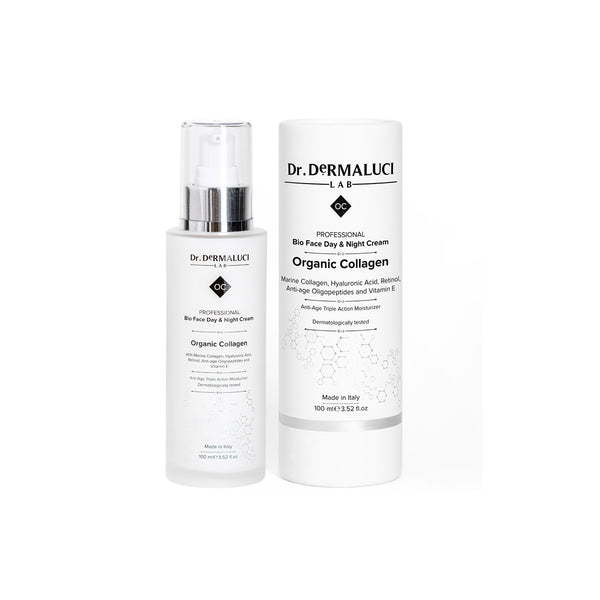
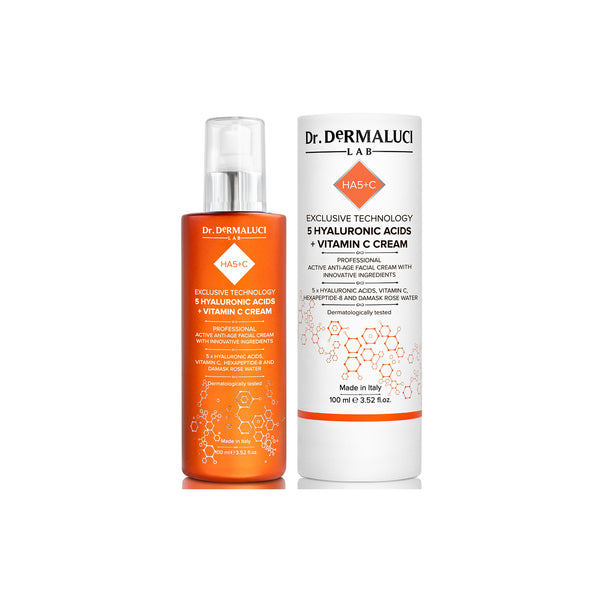
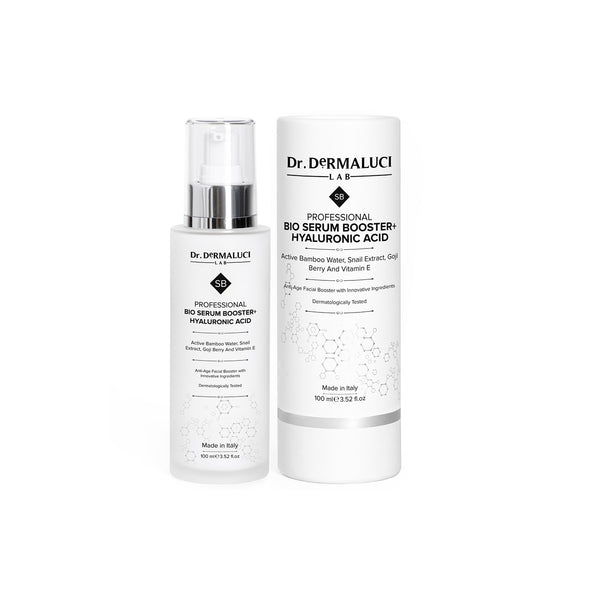
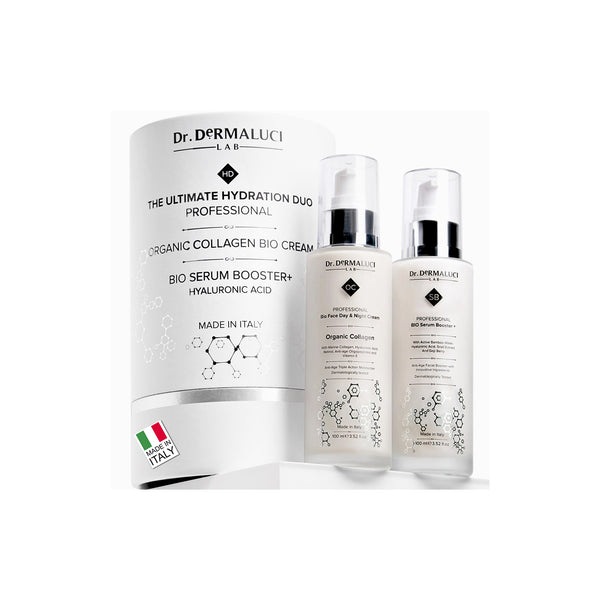


Are Organic Face Serums Better for Sensitive Skin?

Are Organic Face Serums Better for Sensitive Skin?
Sensitive skin requires careful formulation choices, but the term “organic” does not automatically guarantee better results. While organic face serums often avoid certain harsh ingredients, their effectiveness depends on how well they support the skin barrier and overall skin balance.
This article is part of our Sensitive Skin pillar cluster. For the foundational framework, see our complete guide to sensitive skin.
Understanding what makes a product suitable for sensitive skin goes beyond labels and focuses on formulation quality, ingredient compatibility, and skin tolerance.
To understand why barrier health is essential, see Why Skin Barrier Repair Is the Foundation of Every Skincare Routine.
This article is part of the guide Sensitive Skin: Causes, Triggers and How to Restore Balance, where we explore how to calm reactive skin and rebuild long-term resilience.
What Does “Organic” Mean in Skincare?
Organic skincare refers to formulations made with ingredients derived from natural sources, often certified by standards such as AIAB or COSMOS in Europe.
These products typically avoid:
- synthetic fragrances
- aggressive preservatives
- harsh alcohols
- certain synthetic additives
However, “natural” does not always mean “non-irritating,” especially for sensitive or reactive skin.
Are Organic Serums Always Better for Sensitive Skin?
Organic serums can be beneficial for sensitive skin, but only when they are formulated with stability and tolerance in mind.
Some plant-based ingredients can be soothing and supportive, while others — including certain essential oils — may trigger irritation.
What matters most is whether the formula:
supports the skin barrier
maintains hydration
respects the skin’s natural pH
avoids unnecessary irritation
To understand how pH influences skin reactivity, see The Role of pH in Skincare – Balance for Healthy Skin.
Ingredients That Matter More Than Labels
For sensitive skin, the focus should be on functional ingredients rather than whether a product is organic.
Key ingredients include:
- niacinamide to reduce inflammation and improve tolerance
- panthenol to soothe and support repair
- ceramides to strengthen the barrier
- prebiotics to support microbiome balance
These ingredients help restore stability and reduce sensitivity over time.
To explore this further, see Why Prebiotics Matter for Sensitive Skin.
When Organic Formulations Work Best
Organic serums can be particularly suitable when they are:
- free from fragrance and essential oils
- formulated with barrier-supporting ingredients
- dermatologically tested for sensitive skin
- designed to maintain hydration and skin balance
In these cases, they can provide gentle support without overwhelming the skin.
A Balanced Approach to Sensitive Skin
Rather than focusing solely on whether a product is organic, a more effective approach is to prioritize skin compatibility and barrier support.
Sensitive skin benefits from:
simple formulations
consistent routines
hydration and barrier repair
avoiding unnecessary product changes
If your skin reacts easily to products, see How to Build a Skincare Routine When Everything Irritates Your Skin.
Frequently Asked Questions (FAQ)
Are organic products safer for sensitive skin?
Not always. While they may avoid certain synthetic ingredients, some natural components can still cause irritation.
Can natural ingredients irritate the skin?
Yes. Essential oils and certain plant extracts can trigger sensitivity in reactive skin.
What should I look for in a serum for sensitive skin?
Look for barrier-supporting ingredients, minimal formulation, and products designed for high tolerance.
Is fragrance-free more important than organic?
In many cases, yes. Avoiding fragrance is often more important for sensitive skin than whether a product is organic.
Sensitive Skin Product Checklist
Choose fragrance-free formulations
Focus on barrier-supporting ingredients
Avoid overloading the skin with multiple actives
Maintain a consistent routine
Prioritize hydration and skin balance
Continue Reading in This Series
Next article → How to Build a Skincare Routine When Everything Irritates Your Skin


