



 Verified by shop


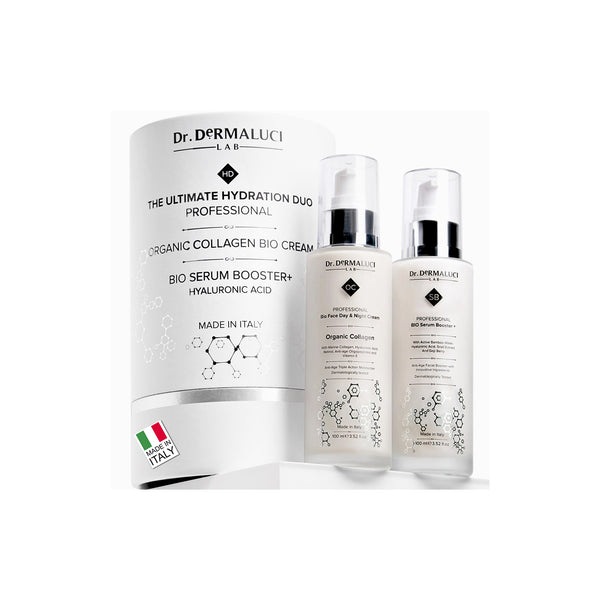


Why Hydration Matters More Than Anti-Aging Actives

Healthy skin does not begin with anti-aging actives, but with hydration. Before the skin can respond to ingredients such as retinol or vitamin C, it must be able to maintain water balance and support its barrier function.
This article is part of our Skin Aging pillar cluster. For the foundational framework, see our complete guide to skin aging.
When hydration levels are compromised, the skin becomes less resilient, more reactive, and less responsive to treatment. This is why many dermatologists prioritize restoring hydration before introducing intensive actives.
To understand why barrier function is fundamental, see Why Skin Barrier Repair Is the Foundation of Every Skincare Routine.
What Hydration Really Means for Skin
Hydration is often confused with moisture, but they are not the same. Hydration refers to the water content within the skin, while moisture relates to lipids that prevent water loss. Both are essential, but hydration is the starting point.
Well-hydrated skin appears:
- smoother
- more elastic
- more radiant
- less prone to irritation
When hydration is insufficient, the skin may feel tight, appear dull, and show increased sensitivity.
Why Anti-Aging Actives Need Hydrated Skin
Active ingredients such as retinol, exfoliating acids, and vitamin C require a stable environment to function effectively.
When applied to dehydrated skin, they can:
- increase irritation
- weaken the barrier further
- trigger redness and sensitivity
- reduce overall treatment effectiveness
Hydrated skin, on the other hand, tolerates actives better and responds more efficiently to treatment.
If your products suddenly feel less effective, hydration may be the underlying issue. See Why Skincare Suddenly Stops Working (and What to Do About It).
The Link Between Hydration, Barrier and pH
Hydration is closely connected to both the skin barrier and pH balance.
When hydration levels drop:
- the barrier becomes compromised
- water loss increases
- pH may shift toward alkalinity
- microbiome balance can be disrupted
This creates a cycle where the skin becomes progressively more sensitive and less able to repair itself.
To explore these relationships further, see The Role of pH in Skincare – Balance for Healthy Skin and The Skin Microbiome: How Bacteria, Peptides & Prebiotics Protect Your Skin.
Ingredients That Support Hydration
Effective hydration depends on using ingredients that attract and retain water while supporting the barrier.
Key ingredients include:
- hyaluronic acid for water retention
- glycerin as a humectant
- panthenol for soothing and repair
- niacinamide for barrier support
- ceramides to reduce water loss
For a deeper understanding of barrier-supporting ingredients, see Ceramides, Niacinamide and Panthenol: The Trio for Skin Barrier Recovery.
A Hydration-First Skincare Approach
Prioritizing hydration creates a foundation that allows the skin to function optimally.
A hydration-focused routine includes:
- using gentle, non-stripping cleansers
- applying hydrating serums before active treatments
- supporting the barrier with lipid-rich moisturisers
- avoiding excessive exfoliation
- maintaining daily sun protection
Once hydration is restored, the skin becomes more receptive to targeted treatments and anti-aging actives.
Frequently Asked Questions (FAQ)
What is the difference between hydration and moisture?
Hydration refers to the water content within the skin, while moisture refers to lipids that help seal in that water and prevent evaporation.
Why does my skin feel dry even after moisturizing?
This often indicates dehydration rather than lack of oil. The skin may need humectants that attract water, not just occlusive products.
Can hydration improve signs of ageing?
Yes. Proper hydration improves skin elasticity, smoothness, and overall appearance, which can reduce the visible signs of ageing.
Should I stop using actives if my skin is dehydrated?
In many cases, reducing or temporarily pausing strong actives while restoring hydration can help improve skin tolerance and results.
Hydration Checklist
Use gentle, non-stripping cleansers
Apply hydrating serums before active treatments
Support the skin barrier with appropriate moisturisers
Avoid over-exfoliation
Maintain consistent sun protection
Continue Reading in This Series
Next article → pH Drift: The Invisible Imbalance Accelerating Sensitivity and Aging.


