
 Verified by shop




Natural Acne Solutions vs Classic Treatments: What Works?
Natural Acne Solutions: How Effective Are Tea Tree, Aloe Vera & Botanicals Compared to Classic Treatments?
Acne is one of the most researched skin conditions and yet one of the most misunderstood. Social media is full of claims like “cure acne naturally” or “ditch chemicals for plants,” making many people wonder:
Can botanical ingredients truly reduce acne?
Or are classic treatments like benzoyl peroxide, salicylic acid, and retinoids still the gold standard?
The science is clear and more balanced than you might think.
Acne involves:
- Excess sebum
- Clogged pores (microcomedones)
- Inflammation
- Overgrowth of Cutibacterium acnes
- Hormonal influence
Because so many factors are involved, acne treatments must be multi-targeted. Very few natural ingredients address all acne pathways.
⭐ Evidence for Popular Natural Acne Ingredients
✔ 1. Tea Tree Oil (TTO)
Several clinical trials show tea tree oil (at ~5%) can reduce mild acne. It has:
- Antimicrobial effects against C. acnes
- Anti-inflammatory activity
- Comparable results to low-strength benzoyl peroxide in some small studies
Limitations:
- High risk of irritation if not diluted
- Not effective for moderate or severe acne
- Results are slower than benzoyl peroxide
- Oxidizes over time, increasing sensitization risk
✔ 2. Aloe Vera
Aloe is not a primary acne treatment, but:
- Reduces inflammation
- Supports wound healing
- Improves hydration
- Helps skin tolerate other acne medications
Studies combining aloe with tretinoin or salicylic acid show improved comfort and fewer side effects.
✔ 3. Botanical Extracts (Green Tea, Licorice, Centella, etc.)
Evidence shows:
- Green tea (EGCG) → sebum regulation and anti-inflammatory benefits
- Licorice extract → anti-inflammatory and pigmentation control
- Centella → reduces irritation and redness
These ingredients support acne routines—not replace medical treatments.
⭐ Natural Ingredients vs Classic Acne Treatments
✔ Benzoyl Peroxide (BPO)
- Strong antibacterial action
- Proven to reduce pimples quickly
- More effective than tea tree
- Can be irritating—especially without a soothing routine
✔ Retinoids (Adapalene, Tretinoin)
- Gold standard for comedonal acne
- Prevent clogged pores
- Improve texture and hyperpigmentation
- Not replaceable by any botanical
✔ Niacinamide
- Anti-inflammatory
- Sebum-regulating
- Supports barrier function
- Pairs extremely well with acne treatments
✔ Salicylic Acid (BHA)
- Penetrates pores to dissolve sebum
- Evidence-based for blackheads and whiteheads
So… Can You Treat Acne Naturally?
For mild acne, botanicals like tea tree, aloe vera, and green tea can help reduce redness, swelling, and small breakouts.
But:
❗ They are significantly less effective than evidence-based treatments for moderate or severe acne.
❗ They work best as supporting ingredients, not stand-alone solutions.
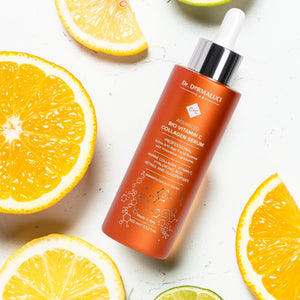
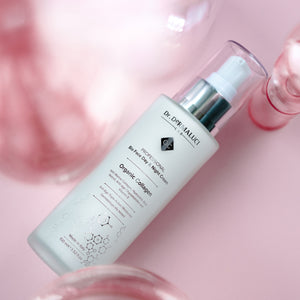
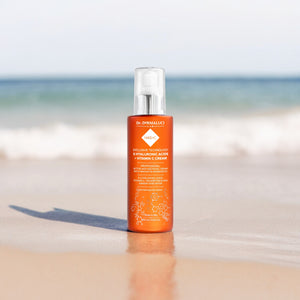
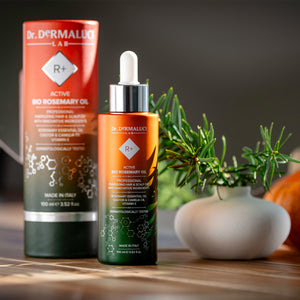
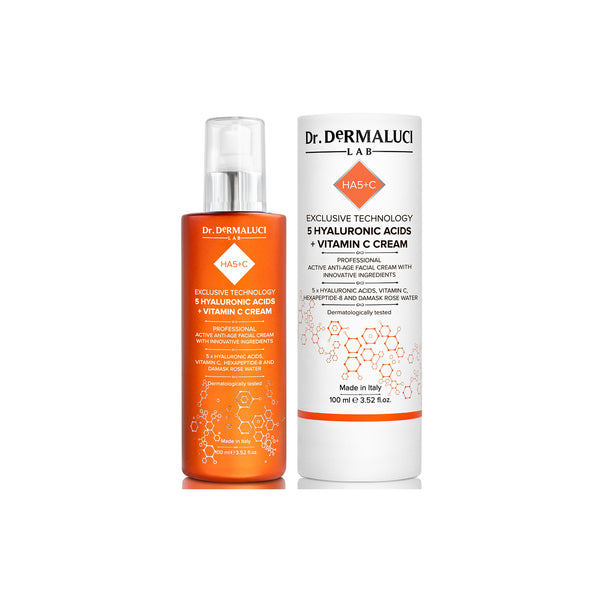
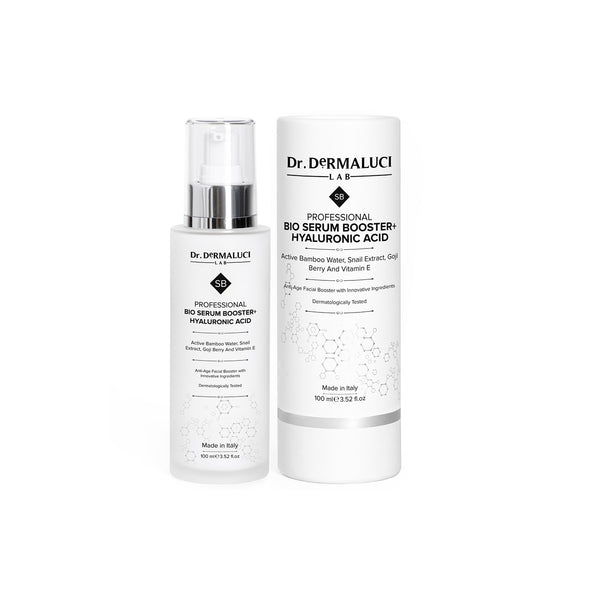
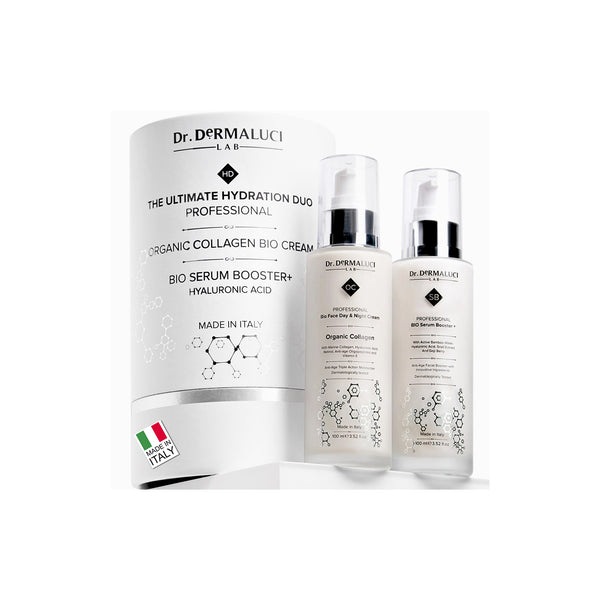
Dermalucilab’s Approach to Acne-Prone Skin
Dermalucilab focuses on:
- Niacinamide (10% max in some routines)
- Aloe & chamomile → reduce inflammation
- Multi-weight hyaluronic acid → prevent dehydration
- Peptides → support healing
- Stabilized vitamin C → helps with PIH and scars
- Nickel-tested, essential-oil-free formulations
This approach calms acne inflammation and prevents irritation—ideal for people who cannot tolerate harsh routines.
Coming next:
👉 Can niacinamide and zinc reduce hormonal breakouts?
❓ FAQs
Q: Can tea tree oil replace benzoyl peroxide?
No. It may help mild acne, but BPO is far more effective.
Q: Is aloe vera enough for acne?
No, but it improves tolerance to active treatments.
Q: Are botanicals safer?
Not always. Essential oils can irritate; some extracts cause allergies.
Q: What does Dermalucilab recommend?
A soothing, barrier-supporting routine that pairs botanicals with proven actives.
Checklist
✅ Tea tree = helpful for mild acne
✅Aloe = supports healing & reduces irritation
❗ Not replacements for BPO or retinoids
✅ Dermalucilab = gentle, botanical supported acne care
✅ Ideal for sensitive & reactive skin


