
 Verified by shop




How Often Should You Exfoliate Your Skin?
How Often Should I Really Exfoliate? The Truth About Over-Exfoliation and Skin Damage
Exfoliation is often presented as the key to glowing, smooth skin. But one of the most common mistakes in modern skincare is exfoliating too often—or too aggressively.
Many clients ask:
“Why did my skin get worse after exfoliating?”
The answer is usually not the ingredient itself, but how frequently and how intensely it’s being used.
What Exfoliation Is Meant to Do
Exfoliation helps remove excess corneocytes (dead skin cells) from the skin surface, which can:
- Improve skin texture
- Enhance brightness
- Help prevent clogged pores
- Improve penetration of skincare products
However, exfoliation should support the skin’s natural renewal cycle—not override it.
The Skin’s Natural Renewal Cycle
Healthy adult skin renews itself approximately every 28–40 days, depending on age, genetics and skin condition.
When exfoliation exceeds the skin’s ability to regenerate, the result is barrier damage, not better skin.
Types of Exfoliation—and Their Risks
1. Physical Exfoliation (Scrubs, Brushes)
- Removes cells mechanically
- High risk of micro-irritation
- Not recommended for sensitive or reactive skin
2. Chemical Exfoliation (AHAs, BHAs, PHAs)
- AHAs (glycolic, lactic): surface exfoliation
- BHAs (salicylic acid): pore-penetrating
- PHAs: gentler, larger molecules
Effective—but easy to overuse.
3. Enzymatic Exfoliation
- Uses enzymes (papain, bromelain)
- Gentler but still exfoliating
- Can cause irritation if used too frequently
Signs You’re Over-Exfoliating
Over-exfoliation often looks like:
- Stinging or burning when applying products
- Redness that doesn’t fade
- Tight, shiny skin
- Increased breakouts
- Flaking combined with oiliness
- Products that suddenly “sting”
These are classic signs of barrier disruption, not “purging.”
How Often Should You Exfoliate? (General Guidelines)
These are general recommendations—not strict rules.
- Sensitive or reactive skin: once every 10–14 days (or not at all)
- Dry or dehydrated skin: once every 7–10 days
- Normal skin: once every 7 days
- Oily or acne-prone skin: once every 5–7 days
If you use retinoids, vitamin C or strong actives, exfoliation frequency should be reduced further.
Why More Is Not Better
Excess exfoliation:
- Increases transepidermal water loss (TEWL)
- Disrupts the microbiome
- Triggers inflammation
- Worsens sensitivity and pigmentation
- Makes skin dependent on constant exfoliation
This is why some people feel their skin “needs” exfoliation more and more—it’s stuck in a damage cycle.
Dermalucilab’s Barrier-First Philosophy
Dr. Dermaluci Lab does not promote aggressive exfoliation. Instead, the focus is on:
- Supporting natural cell turnover
- Maintaining hydration
- Strengthening the barrier
- Reducing inflammation
Key supportive ingredients include:
- Multi-weight hyaluronic acid
- Niacinamide
- Peptides and collagen
- Organic aloe and chamomile
This approach helps skin renew itself without forcing it.
What to Do If You’ve Over-Exfoliated
- Stop exfoliation immediately
- Simplify your routine
- Focus on hydration and barrier repair
- Use gentle cleansers only
- Apply SPF daily
Skin recovery often takes 2–4 weeks, depending on severity.
Recommended Reset Routine
- Gentle Facial Cleanser (Aloe + Niacinamide)
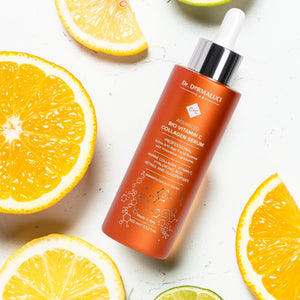
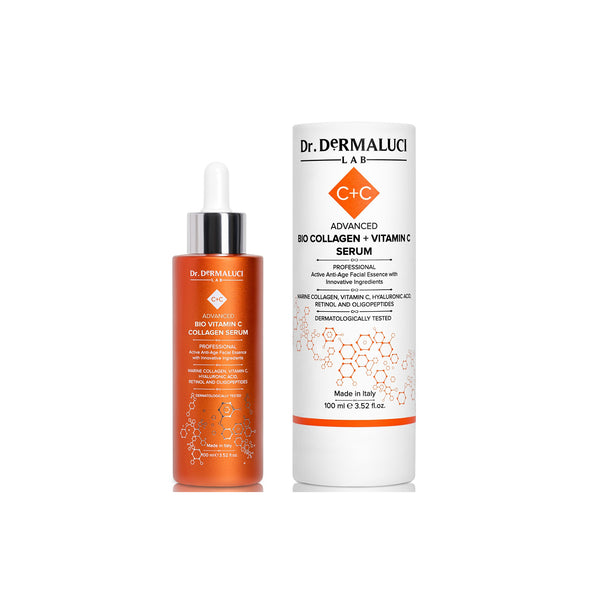
- Vitamin C + Collagen Serum (stabilized, non-irritating)
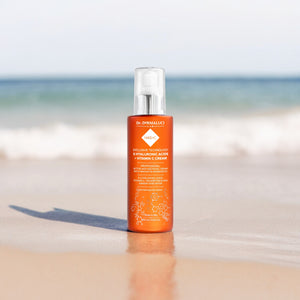
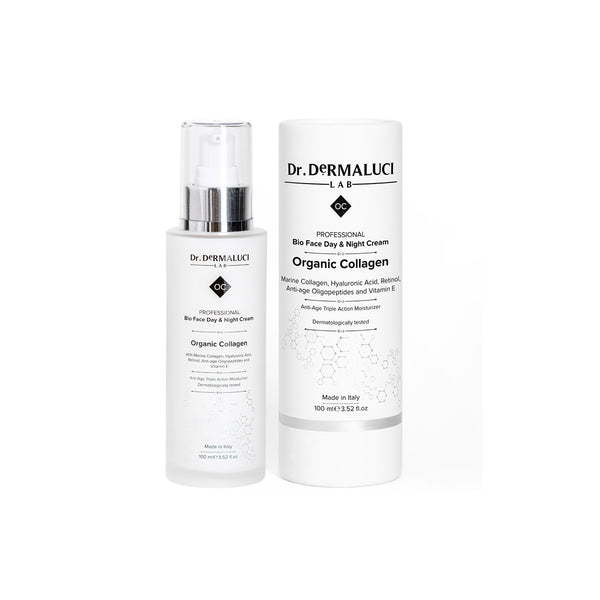
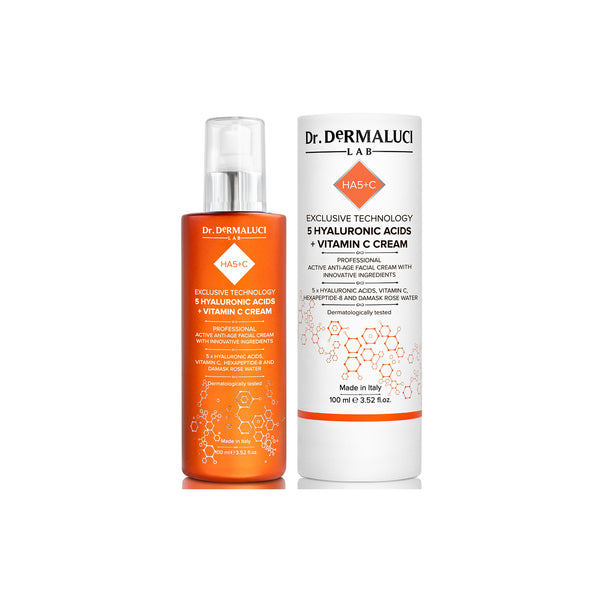
- 5x Hyaluronic Acid + Vitamin C Cream
- Daily SPF
Coming next:
❓ FAQs
Is daily exfoliation ever recommended?
No. Daily exfoliation significantly increases the risk of barrier damage.
Is tingling normal after exfoliation?
Mild tingling can occur, but burning or stinging is a warning sign.
Can exfoliation cause breakouts?
Yes. Over-exfoliation can trigger inflammation-related breakouts.
Are Dermalucilab products safe for over-exfoliated skin?
Yes. They are designed to restore comfort and barrier balance.
Checklist
✅ Exfoliation supports—not replaces—natural renewal
✅ Over-exfoliation damages the barrier
✅ Less frequent exfoliation = healthier skin
✅ Hydration and repair matter more than intensity
✅ Dermalucilab follows a barrier-first approach


