
 Verified by shop




Epigenetic Skincare: How Lifestyle & Ingredients Influence Gene Expression in Your Skin
🧬 What Is Epigenetic Skincare?
Epigenetics refers to how environmental factors influence gene activity — turning certain genes “on” or “off” without changing your DNA.
In skincare, this means that daily habits, stress, pollution, UV exposure, and certain topical ingredients can affect how your skin:
- Repairs damage
- Produces collagen
- Controls inflammation
- Manages oxidative stress
Dermatology research shows that up to 60% of visible ageing is influenced by epigenetic factors, not chronology alone. That’s why two people of the same age can look dramatically different.
🔬 The Skin’s Epigenetic Switches
Your skin cells constantly receive signals from the environment. These signals affect gene expression through:
- DNA methylation (silencing or slowing gene activity)
- Histone modification (opening or tightening DNA coils)
- microRNA changes (regulating repair + inflammation pathways)
When these processes are disrupted by free radicals, lack of sleep, UV light, or pollution, your skin shows:
- Faster wrinkle formation
- Increased pigmentation
- Slow wound healing
- Chronic inflammation (“inflammaging”)
🌿 Epigenetic-Friendly Ingredients
Several skincare actives support healthier gene expression indirectly by reducing oxidative stress and improving cellular communication:
Niacinamide
Supports barrier repair genes and reduces pro-inflammatory signals.
Vitamin C
Protects DNA from oxidative damage and activates collagen-supporting pathways.
Peptides
Act as “messenger molecules” that encourage genes linked to elasticity and firmness.
Hyaluronic Acid (multi-molecular)
Improves cellular hydration, supporting optimal cellular signaling.
These are foundational pillars of the Smart Beauty philosophy at Dr Dermaluci Lab.
💎 The Dermaluci Epigenetic Routine
Morning Routine (Defense Phase):
1️. Gentle Facial Cleanser with Aloe & Niacinamide
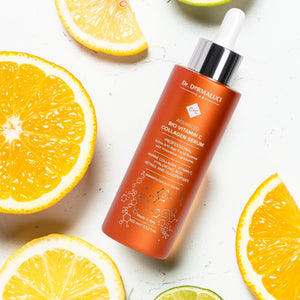
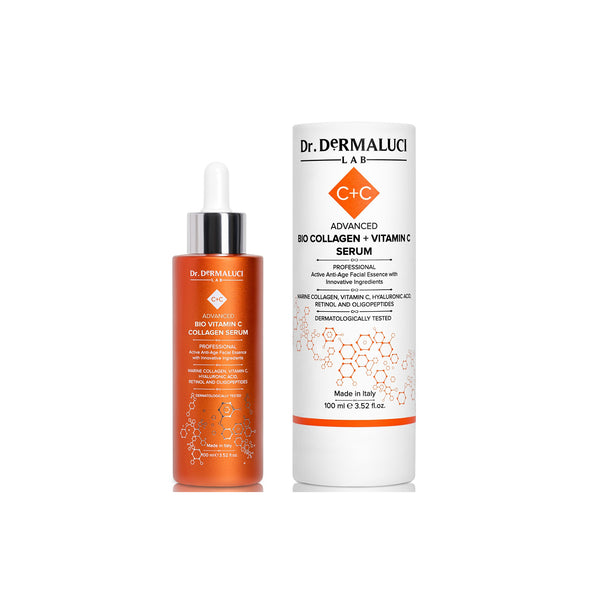
2️. Vitamin C + Collagen Serum — antioxidative epigenetic support
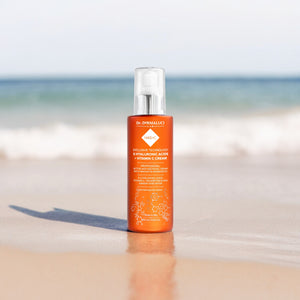
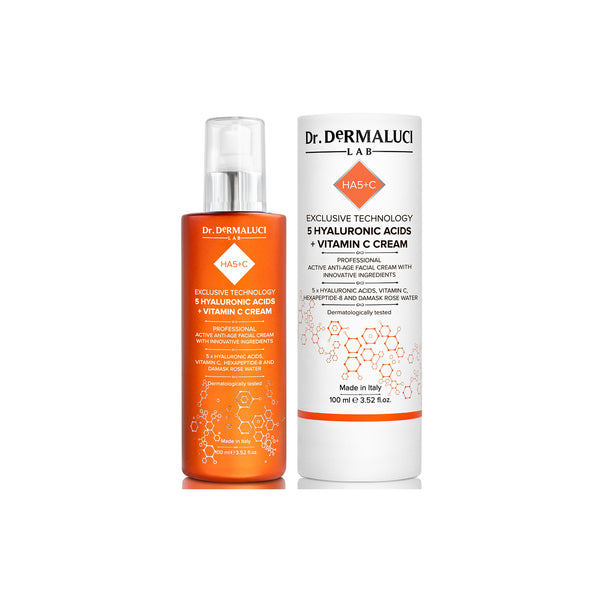
3️. 5x Hyaluronic Acid + Vitamin C Cream — hydration + cellular resilience
4️. SPF 50 Defense — essential protection from UV epigenetic stress
Night Routine (Repair Phase):
1️. Gentle cleansing
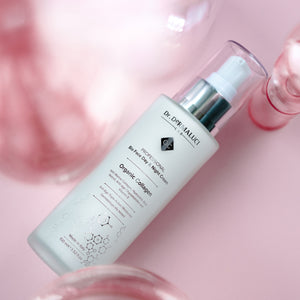
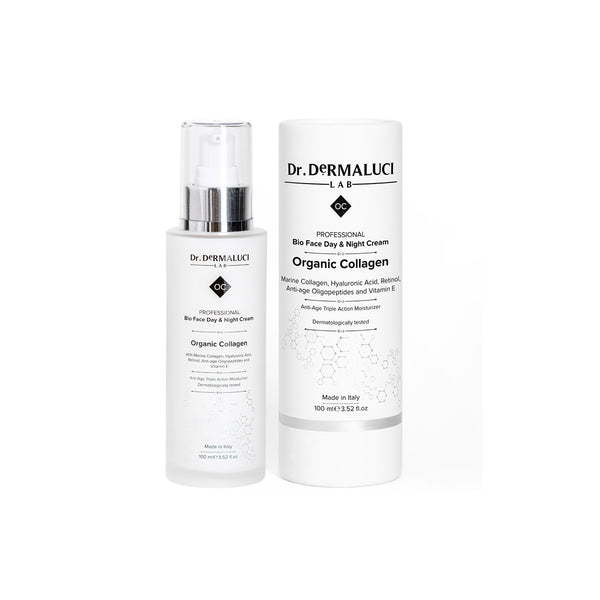
2️. Optional peptide-rich night cream
3️. Reapply 5x HA + Vitamin C Cream for overnight regeneration
❓FAQs
1. Can skincare truly affect gene expression?
Skincare doesn’t change DNA, but antioxidants and peptides support healthier gene regulation by reducing stressors.
2. Is epigenetic ageing reversible?
Partially. With consistent care, the skin can regain firmness, luminosity, and better repair responses.
3. Do lifestyle habits matter?
Absolutely — sleep, diet, UV exposure, pollution, and stress heavily influence epigenetic ageing.
✅ Benefits Checklist
☑ Supports healthier gene expression
☑ Reduces oxidative stress + inflammation
☑ Boosts collagen-repair pathways
☑ Improves firmness and radiance
☑ Protects against environment-driven ageing
🔗 Related Article
Read next: Why Skin Barrier Repair Is the Foundation of Every Skincare Routine


