
 Verified by shop




Colloidal Oatmeal for Eczema: What It Can (and Cannot) Do
Eczema & Atopic-Prone Skin: How Far Can Colloidal Oatmeal and Barrier Creams Really Go?
Eczema (atopic dermatitis) affects millions of adults and children worldwide. People with atopic-prone skin often search for more “natural” alternatives to steroid creams—especially during mild flare-ups or when dealing with everyday irritation.
One of the most recommended dermocosmetic ingredients for eczema is colloidal oatmeal, an FDA-monographed skin protectant used for decades to calm itching and restore barrier comfort. But how effective is it really? And where do cosmetics end and medicine begin?
Let’s break down what the clinical evidence actually shows.
Why Eczema Requires a Dual Approach
Atopic dermatitis involves:
- A weakened skin barrier (less ceramides and impaired lipid structure)
- Chronic inflammation
- Heightened sensitivity to irritants and allergens
- Dysbiosis of the skin microbiome (increase in Staphylococcus aureus)
This means topical steroids or prescription anti-inflammatories are essential during moderate to severe flare-ups.
But dermocosmetics play a crucial role in daily management—especially for the 90% of the time when skin is not in an acute flare.
What Colloidal Oatmeal Can Do (Based on Real Studies)
Colloidal oatmeal is rich in:
- β-glucans → soothing and film-forming
- Avenanthramides → anti-inflammatory and anti-itch
- Lipids → support barrier recovery
Clinical studies show:
⭐ OTC creams with 1% colloidal oatmeal can improve eczema severity and itching in mild-to-moderate cases.
In some trials, oatmeal-based barrier creams performed similarly to certain prescription emollient therapies when used consistently.
Documented benefits include:
- Reduced itching
- Improved hydration
- Less redness
- Better sleep quality (in pediatric studies)
- Enhanced barrier recovery
- Improved comfort in irritated, over-cleansed, or post-procedure skin
However:
➤ Oatmeal products do NOT replace corticosteroids or medical treatments for severe eczema.
The Role of Barrier Creams
Barrier creams typically contain:
- Ceramides
- Fatty acids
- Cholesterol
- Humectants like hyaluronic acid
- Occlusives to reduce transepidermal water loss (TEWL)
Their proven benefits:
- Smoother, less reactive skin
- Reduced flare-up frequency
- Better tolerance to active ingredients
- Protection against environmental irritants
Barrier care is maintenance medicine for atopic skin.
How Dermalucilab Supports Atopic and Reactive Skin
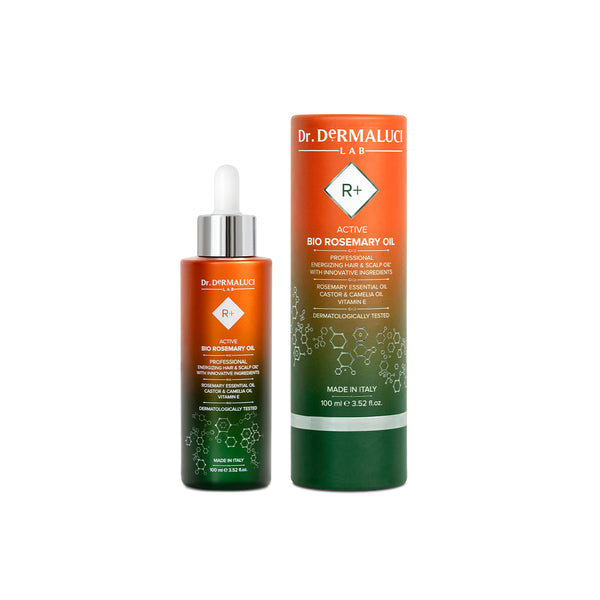
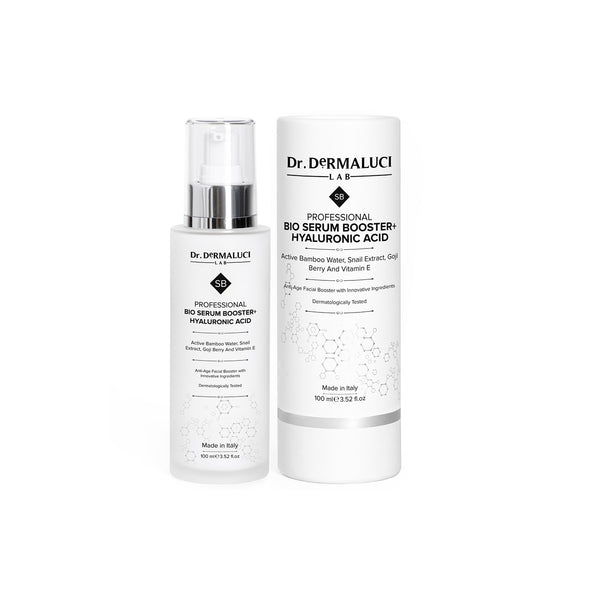
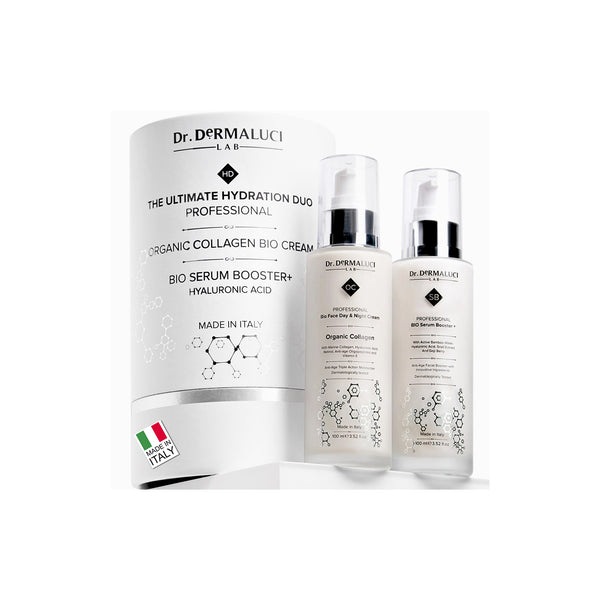
Dr. Dermaluci Lab formulas emphasize:
- Organic aloe vera & chamomile (anti-inflammatory, soothing)
- 5 molecular weights of hyaluronic acid (deep hydration without occlusion)
- Peptides & collagen (skin-repair support)
- Nickel-tested, suitable for reactive skin
- AIAB-certified organic bases, avoiding harsh surfactants and essential oils that may trigger sensitivity
While Dermalucilab does not position itself as an eczema treatment brand, its barrier-friendly routines provide daily support that aligns with dermatological recommendations for managing atopic-prone skin.
Suggested Daily Routine for Atopic-Prone Skin
-
Gentle Facial Cleanser (Aloe + Niacinamide)
Helps maintain pH balance and reduces irritation risk. -
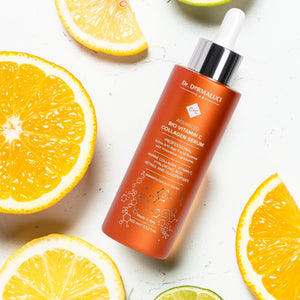
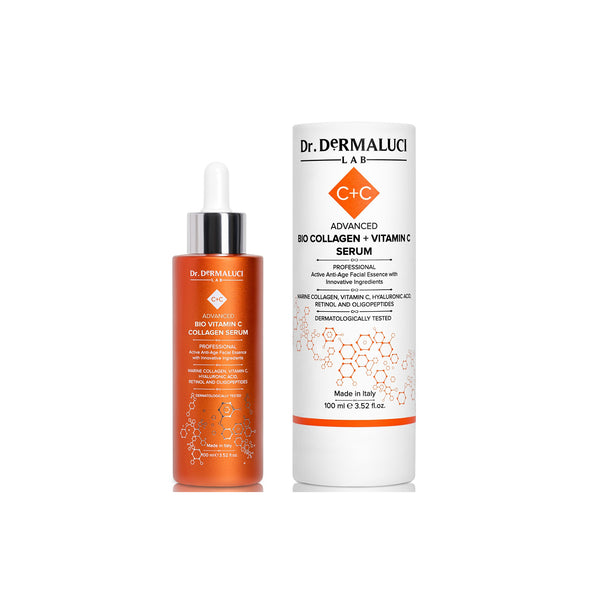
Vitamin C + Collagen Serum (AM or PM)
Enhances antioxidant defense without harsh acids; suitable for sensitized skin. -
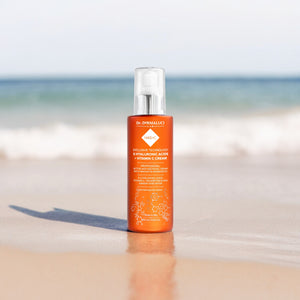
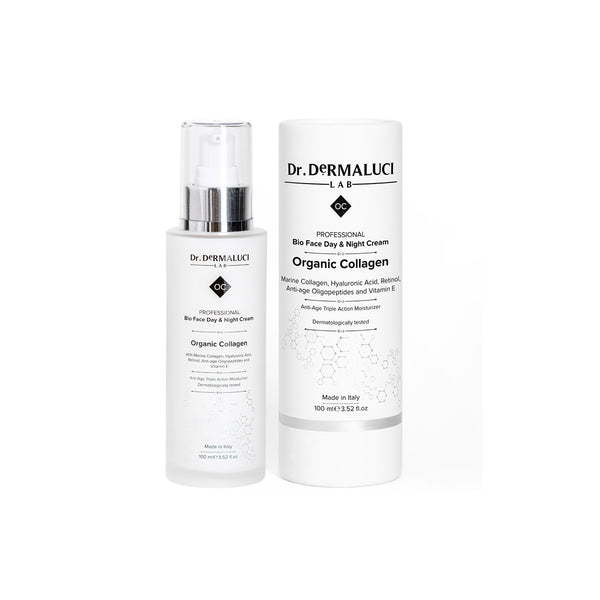
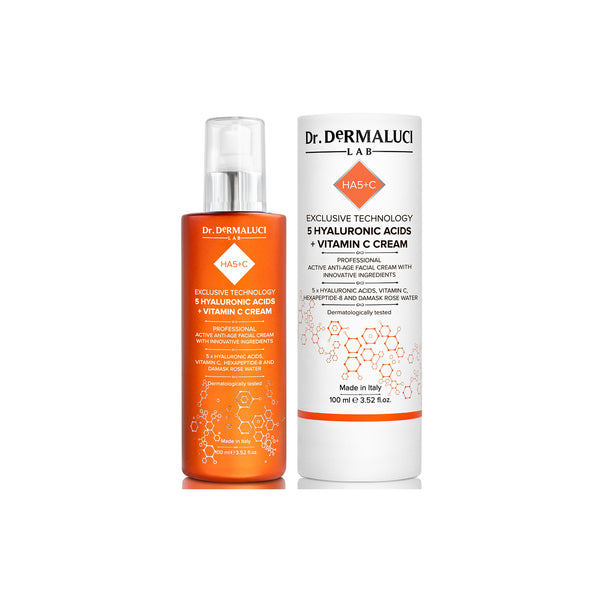
5x Hyaluronic Acid + Vitamin C Cream
Multilevel hydration supporting long-term barrier resilience. - During peak dryness: Add an occlusive balm approved by your dermatologist.
- SPF every morning, especially for skin with visible inflammation or post-eczema pigmentation.
❓ FAQs
Q: Can colloidal oatmeal cure eczema?
No. It reduces symptoms such as itching and inflammation but does not replace medical treatment during flare-ups.
Q: Are barrier creams enough for daily control?
Often yes for mild eczema; they help reduce flare frequency and restore comfort.
Q: Can sensitive skin tolerate Dermalucilab products?
Yes. Formulas are AIAB-certified, nickel-tested, and designed to support barrier resilience.
Q: Does oatmeal help with redness?
Yes—avenanthramides have proven anti-inflammatory effects.
Checklist
- ✅ Clinically supported soothing ingredient (colloidal oatmeal)
- ✅ Helps mild-to-moderate eczema symptoms
- ✅ Essential role of barrier creams
- ✅ Not a replacement for medical treatment
- ✅ Dermalucilab = barrier-first skincare philosophy
Coming next:
👉 Skin Microbiome & Probiotic Skincare – Clear, Calm Complexion


