
 Verified by shop




Basic Skincare Routine: How to Start with Smart, Science-Backed Care
🧴 What Is the Basic Skincare Routine to Start With?
If you feel overwhelmed by toners, serums, actives and trends, you’re not alone. At Dr Dermaluci Lab, we see the same question repeatedly:
“What’s the minimum routine I need to start taking care of my skin… without doing something wrong?”
Good news: your skin doesn’t need 10 steps. It needs a smart, consistent, science-based routine that respects your skin barrier and uses the right activities for your needs.
✨ The 4 Essential Steps of a Basic Skincare Routine
A beginner-friendly routine can be summarized in 4 steps:
- Cleanse – Remove impurities, SPF, pollution and excess sebum
- Treat – Target concerns with serums (spots, hydration, fine lines, oil control)
- Moisturize – Lock in hydration and support the skin barrier
- Protect (AM) – Daily SPF to prevent dark spots, redness and premature ageing
This structure works for all skin types; what changes is which formula you choose for each step.
To go deeper into why the barrier matters, we recommend the article:
👉 “Why Skin Barrier Repair Is the Foundation of Every Skincare Routine” on the Dermalucilab blog.
🧼 Step 1: Gentle Cleansing (AM & PM)
A basic routine always starts with a gentle cleanser:
- Removes sweat, pollution and SPF
- Prepares the skin so serums absorb better
- Should NOT leave your skin feeling tight or “squeaky”
Look for formulas that respect the barrier, avoid harsh sulfates and include soothing or hydrating ingredients like aloe vera or botanical extracts — aligned with Dermalucilab’s philosophy of organic, dermatologically tested care made in Italy.
💧 Step 2: Treatment Serums (Actives, But Smart)
This is where science really works for you. Serums are concentrated formulas designed to target specific needs:
-
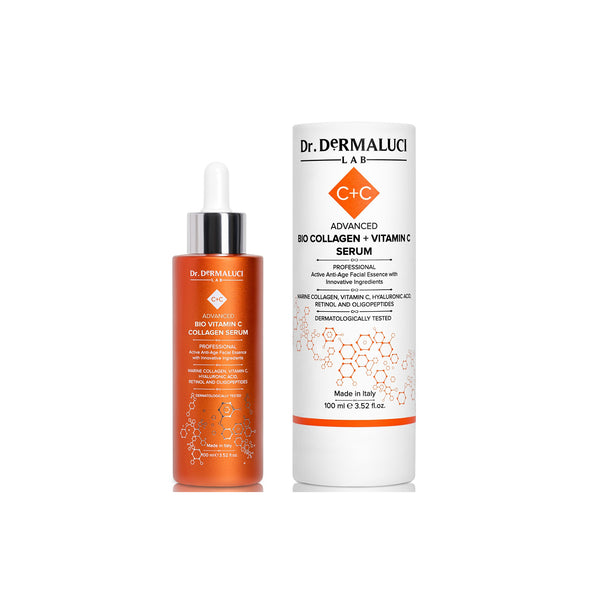
For dullness & first fine lines
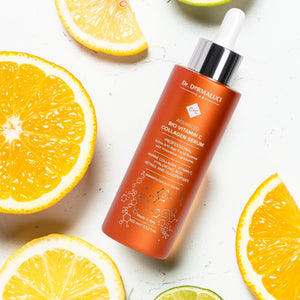
→ Vitamin C + Collagen Serum helps brighten, firm and hydrate the skin, supported by vitamin C, marine collagen and dual hyaluronic acid. -
For dehydration + early ageing
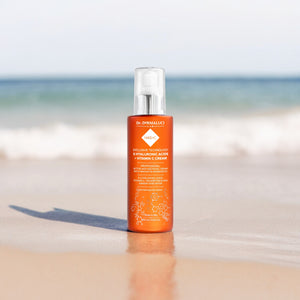
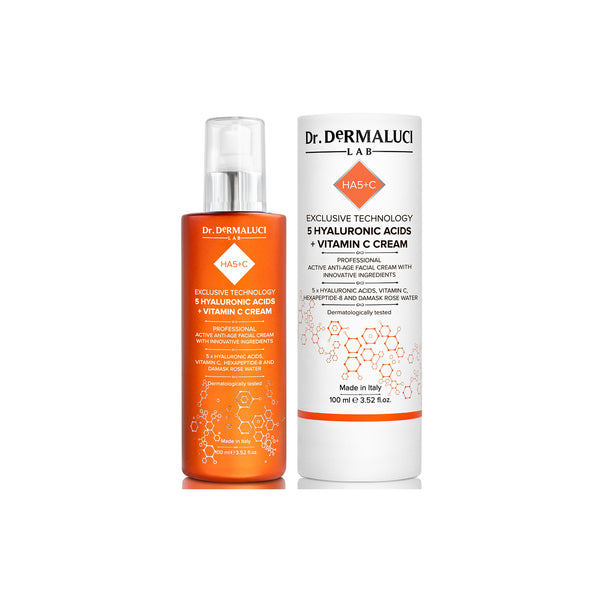
→ 5x Hyaluronic Acids + Vitamin C Active Repair Serum (5 molecular weights of hyaluronic acid + stabilised vitamin C + brightening complex) delivers multi-level hydration and radiance. -
For oily, impure or combination skin
→ Niacinamide + Zinc PCA Serum helps regulate sebum, refine pores, calm redness and strengthen the barrier, with organic aloe vera and prebiotics to support the microbiome.
Rule for beginners: start with one main serum (hydration or brightening) and, once your skin tolerates it well, you can add more actives later.
🧴 Step 3: Moisturiser to Support the Skin Barrier
After your serum, you need a moisturiser to:
- Seal in hydration
- Support barrier lipids
- Improve comfort and elasticity
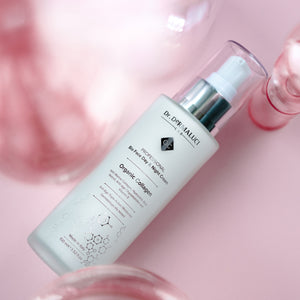
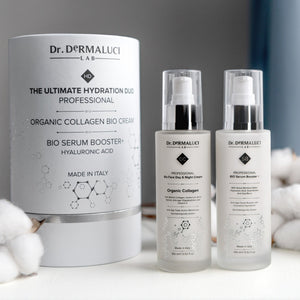
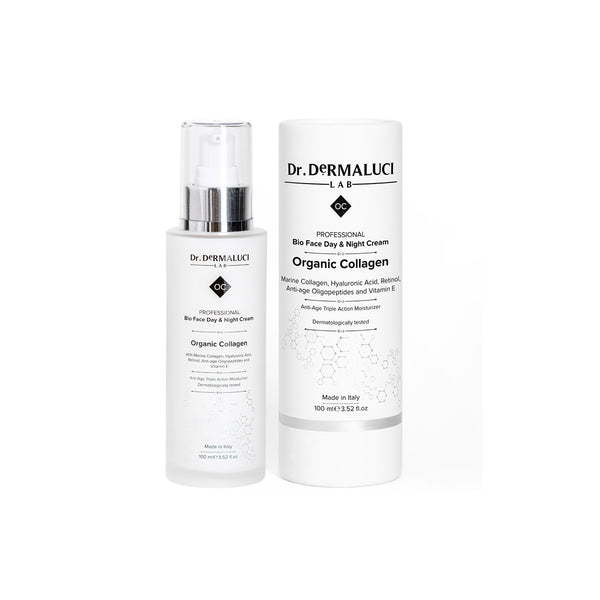
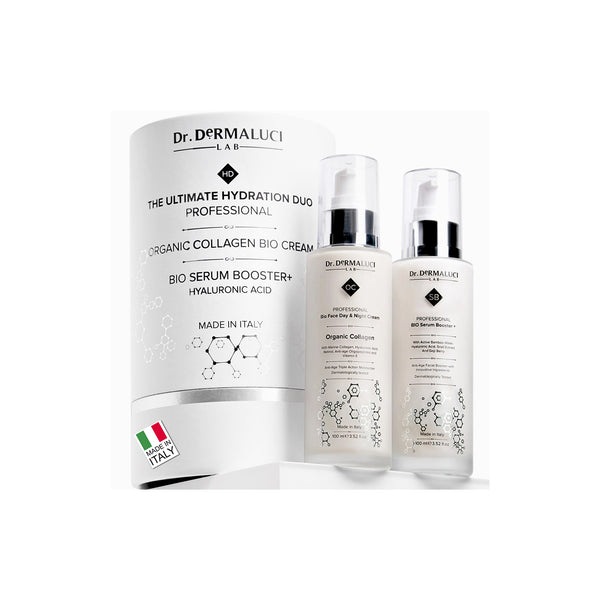
Dermalucilab face creams use multi-molecular hyaluronic acid, vitamin C, collagen and botanical oils to deliver long-lasting hydration, improved elasticity and anti-ageing benefits, while staying friendly to sensitive skin.
Choose textures according to skin type:
- Normal/dry: richer cream with collagen + ceramides/oils
- Combination/oily: lighter textures that hydrate without greasiness
☀️ Step 4 (AM Only): Daily Sun Protection
Even the best actives will do little if you skip SPF. UV radiation is one of the main accelerators of photoageing and dark spots. Dermalucilab insiste en:
- SPF every morning, even on cloudy days
- Reapply if you’re exposed to the sun for hours
- Combine SPF with antioxidants (like vitamin C) for extra protection
🧪 How to Build Your First Dr. Dermaluci Lab Routine
Here’s a simple starter routine using Dermaluci Lab favourites (adapt it by skin type):
Morning
- Gentle Cleanser
- Vitamin C + Collagen Serum (brightness + firmness + hydration)
- Moisturiser (e.g. cream with hyaluronic acid + vitamin C + collagen)
- SPF (external sunscreen of your choice)
Night
- Gentle Cleanser
- One serum according to your need:
- Dehydration + first lines → 5x Hyaluronic Acids + Vitamin C Active Repair Serum
- Oily or breakout-prone → Niacinamide + Zinc PCA Serum
- Moisturizer
Later, you can add retinol or other more advanced actives, guided by articles like “How to Safely Combine Retinol, Peptides, and Vitamin C” on the Dermaluci Lab blog.
✅Smart Beauty Starter Checklist
Beginner Skincare Checklist 📝
- I cleanse my face morning and night
- I’ve chosen one main serum for my priority (hydration, spots, oil control)
- I use a moisturizer that leaves my skin comfortable, not tight
- I wear SPF every morning
- I’ve avoided starting with too many strong actives at once
- I’ve read at least one educational article (e.g. Why Skin Barrier Repair Is the Foundation of Every Skincare Routine) to understand my skin better
❓ FAQs: Basic Skincare Routine
1. How many products do I really need to start?
For beginners, 4 are enough: cleanser, serum, moisturiser and SPF. Later, you can add exfoliants or retinol, but only when your basic routine feels stable.
2. How long until I see results?
Hydration and comfort can improve in days. For brightness, texture and fine lines, expect 4–8 weeks of consistent use, as most skin renewal cycles take around 28 days or more in adults.
3. Do I need different products for morning and night?
Not always. Many serums and creams from Dermaluci Lab are designed for day & night use.
The main difference is that SPF is only for the morning, and advanced actives like retinol are generally better at night.
4. Can I start with retinol as a beginner?
If your skin is very sensitive or your barrier is compromised, it’s safer to first build a strong base of gentle hydration and barrier repair. Then, follow Dermalucilab’s guidance on retinol layering as explained in their retinol-focused articles.
5. What should I read next if I’m just starting?
We recommend:
👉 Why Skin Barrier Repair Is the Foundation of Every Skincare Routine – to understand the base of healthy skin
👉 Dry Skin Solutions – Hydration Science from Dr Dermaluci Lab – if you struggle with dryness or dehydration


