



 Verified by shop




The Hidden Accelerators of Skin Aging

Understanding the Silent Enemies of Modern Skin
Urban life introduces a range of invisible aging accelerators — exhaust fumes, fine particles, UV rays, digital screens, temperature fluctuations, and emotional stress. These factors create oxidative stress, inflammation, and cortisol spikes, all of which silently accelerate skin aging.
This article is part of our Skin Aging pillar cluster. For the foundational framework, see our complete guide to skin aging.
When skin is exposed to pollution, free radicals attack collagen fibers, leading to:
- Fine lines
- Loss of elasticity
- Dull complexion
- Uneven tone
- Dehydration
Meanwhile, chronic stress increases cortisol levels, weakening the skin barrier and slowing cell renewal. Over time, the complexion appears tired, unbalanced, and prematurely aged.
This is part of what dermatologists now call environmental aging, closely linked to the exposome — the total environmental exposure affecting skin over time. Read also: The Exposome and Your Skin: Understanding How Modern Life Accelerates Aging.
This article is part of the Dr. Dermaluci Lab Anti-Age Science Pillar, exploring how modern environmental factors accelerate skin aging and how to protect skin using science-backed skincare strategies.
The Science of Urban Aging
Scientific studies confirm that oxidative stress caused by environmental pollutants can increase visible aging by up to 20%. These microscopic particles penetrate the outer skin layer, causing micro-damage and impairing moisture retention.
At the same time:
- Emotional stress disrupts microbiome balance
- Pollution weakens barrier function
- Blue light increases oxidative damage
- Heat exposure worsens inflammation
This combination creates chronic low-grade inflammation, also known as inflammaging. Read also: Heat-Stressed Skin: The Hidden Aging Trigger of 2025.
Dr. Dermaluci Lab’s Smart Defense Routine
To counter modern aging accelerators, Dr. Dermaluci Lab recommends a four-step Smart Beauty routine designed to strengthen resilience and restore balance.
Step 1 — Gentle Cleanser
Start with a mild, pH-balanced cleanser to remove pollution particles, sebum and impurities without stripping essential lipids.
Look for:
- Amino-acid based cleansers
- Aloe vera
- Niacinamide
- Gentle surfactants
Gentle cleansing helps protect the skin barrier, which is essential for preventing premature aging. Read also: Why Skin Barrier Repair Is the Foundation of Every Skincare Routine.
Step 2 — Antioxidant Serum
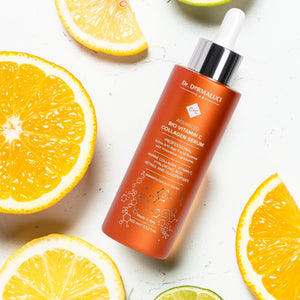
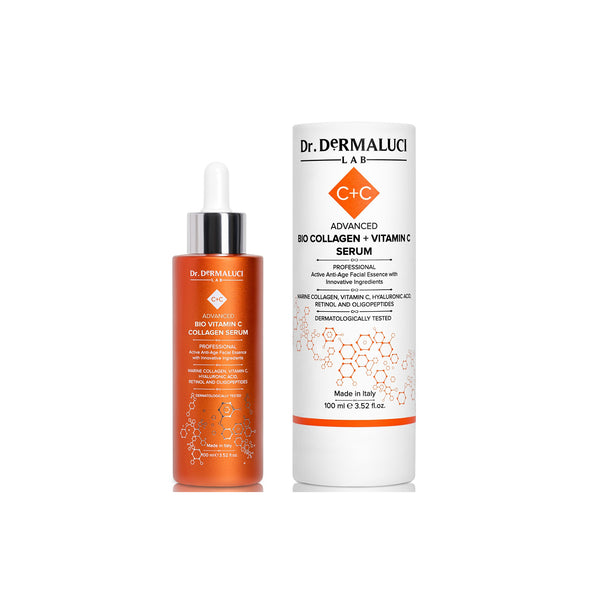
Apply a Vitamin C or Hyaluronic Acid serum to neutralize free radicals and support hydration.
Benefits:
- Boost collagen synthesis
- Improve radiance
- Reduce oxidative stress
- Support skin repair
Vitamin C is particularly effective for defending against environmental damage. Read also: Complete Guide to Vitamin C for Skin: Benefits, Uses and Skincare Routine.
Step 3 — The Hero: Niacinamide + Zinc + Prebiotics
This intelligent combination acts as a shield against pollution-induced aging.
Key Benefits
Niacinamide (Vitamin B3)
- Strengthens the skin barrier
- Reduces inflammation
- Improves texture
- Minimizes pores
Zinc PCA
- Regulates sebum
- Calms irritation
- Supports healing
Prebiotics
- Balance skin microbiome
- Improve resilience
- Reduce sensitivity
Together, these ingredients help restore calm, resilient, luminous skin. Read also: Complete Guide to Niacinamide for Skin.
Step 4 — Daily SPF Protection
Finish with broad-spectrum SPF 30+ or SPF 50.
UV exposure remains one of the biggest aging accelerators, and daily protection is essential — even indoors. Read also: Why Daily SPF Is the Most Powerful Anti-Aging Step.
Why Smart Beauty Matters
At Dr. Dermaluci Lab, Smart Beauty combines:
- Science-based ingredients
- Gentle formulations
- Skin barrier protection
- Microbiome balance
This approach helps skin adapt to modern stressors while maintaining comfort and long-term resilience.
Frequently Asked Questions (FAQ)
Can pollution really cause wrinkles?
Yes. Pollution generates free radicals that damage collagen and elastin, leading to fine lines and reduced elasticity.
How does stress make skin age faster?
Stress increases cortisol, which weakens the barrier, reduces hydration, and accelerates collagen breakdown.
Is niacinamide good for sensitive skin?
Yes. Niacinamide is well tolerated and helps calm inflammation and strengthen the skin barrier.
Can blue light from screens age skin?
Yes. Blue light increases oxidative stress and may contribute to pigmentation and premature aging.
How can I protect skin from environmental aging?
Use antioxidants, barrier-repair ingredients, SPF protection and gentle cleansing daily.
Smart Beauty Checklist
- Cleanse gently morning and night
- Use antioxidant serum daily
- Apply niacinamide + zinc for barrier support
- Protect with SPF every morning
- Support microbiome with gentle formulas
- Reduce environmental exposure where possible
Read next:
→ Morning vs Night Skincare: Understanding Your Skin’s Daily Cycle
Quick Reference: Daily Anti-Aging Protection Checklist
- ✓ Broad-spectrum SPF every morning, year-round, indoor or outdoor
- ✓ Antioxidant serum (Vitamin C, vitamin E or polyphenols) layered under SPF
- ✓ Evening double cleanse if exposed to urban pollution or makeup
- ✓ Aim for 7 or more hours of sleep for nightly collagen synthesis
- ✓ Manage stress directly — cortisol breaks down collagen faster than UV
- ✓ Limit alcohol and high-sugar foods, which accelerate glycation
- ✓ Ventilate indoor cooking and cleaning fumes — indoor pollution counts
Frequently Asked Questions
What is the biggest single accelerator of skin aging?
Cumulative UV exposure is the largest preventable factor — estimated at 80 to 90 percent of visible facial aging. Pollution, stress and inflammation are next, and they often compound the UV effect by weakening the skin's repair systems.
Can stress really age skin?
Yes. Sustained cortisol elevation breaks down collagen, slows cell turnover, and pushes the skin into a chronic low-grade inflammation state. Stress-related aging shows up as dullness, fine lines around the eyes, and slower healing rather than wrinkles per se.
Does sleep matter for skin aging?
It matters a lot. Skin does most of its repair work during deep sleep, including collagen synthesis and barrier renewal. Chronic short sleep (under six hours nightly) is associated with measurable acceleration of visible aging markers within months.
Is pollution defense actually possible through skincare?
Partially. Antioxidants applied topically (Vitamin C, vitamin E, polyphenols, niacinamide) neutralise some of the free radicals generated by pollution. They cannot replace physical barrier (cleansing pollution off at end of day) but they meaningfully reduce the damage that gets through.
Are antioxidants in food enough, or do I need them in skincare too?
Both. Dietary antioxidants protect skin from the inside via the bloodstream. Topical antioxidants protect skin at the surface where most pollution and UV damage occurs. The two work on different layers and are not interchangeable.
Is indoor pollution worse than outdoor?
Often yes. Cooking fumes, cleaning products, candles and indoor air purifiers can produce concentrations of particulate matter exceeding outdoor levels in many homes. Ventilation matters more than people realise.
How long does it take to see anti-aging results from changing skincare?
Surface improvements (hydration, glow, tone) at four to six weeks. Texture and fine line softening at three to six months. Underlying collagen and elasticity changes at six to twelve months. Skin aging is not a linear process and results show up in phases, not steadily.
→ Want a deeper look at the science of skin aging? Read our full guide to skin aging.


