



 Verified by shop


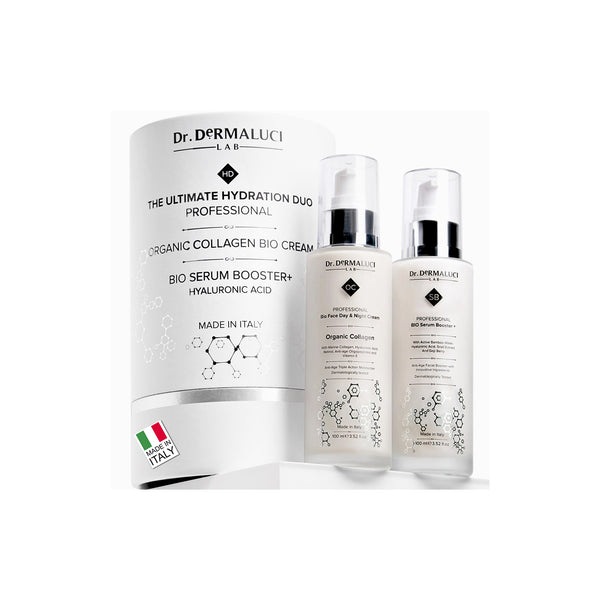


Why Dehydrated Skin Can Feel Oily

If your skin looks shiny but feels tight, reactive, or even flaky, you may be dealing with dehydration rather than excess oil alone. This is one of the most misunderstood skin concerns. Oil and hydration are not the same thing. Sebum is a lipid produced by sebaceous glands, while hydration depends on water content and the skin barrier’s ability to retain it. When the barrier is compromised, skin can lose water through transepidermal water loss while still producing oil at the surface. That is why skin can feel greasy and uncomfortable at the same time. The solution is not to strip the skin more aggressively, but to restore hydration and support barrier balance intelligently.
This article is part of our Skin Barrier pillar cluster. Foundational read: our skin barrier cornerstone. Related: skin minimalism 2.0.
Oily Skin and Dehydrated Skin Are Not the Same
Many people assume shine automatically means overactive oil production. But oily skin and dehydrated skin reflect two different biological processes.
Sebum is produced by sebaceous glands and helps lubricate and protect the skin. Hydration, by contrast, depends on:
- natural moisturizing factors
- ceramides and intercellular lipids
- hyaluronic acid
- an intact stratum corneum
A person can produce plenty of oil and still lack water in the skin.
Why Dehydrated Skin Can Look Oilier
When the barrier is weakened, transepidermal water loss increases. Skin loses water more easily, even when surface oil remains present. In some cases, barrier stress and irritation may also contribute to increased visible oiliness.
This often creates the classic dehydrated-oily pattern: shine on the surface, discomfort underneath.
What Can Trigger This Imbalance
Several common habits and conditions can push skin into this state.
Barrier Damage
Harsh cleansers, frequent exfoliation, overuse of retinoids, and environmental stress can weaken the lipid matrix that helps skin retain water.
Inflammatory Stress
When the barrier is disrupted, inflammatory signaling can affect overall skin balance and make the complexion feel more reactive.
Over-Cleansing
Stripping away too many protective lipids can create a rebound effect. Skin may feel squeaky clean at first, then become shinier and more uncomfortable later.
Signs Your Skin May Be Dehydrated and Oily
This skin pattern can be easy to miss because it is often mistaken for excess oil alone.
Common signs include:
- surface shine with a feeling of tightness
- makeup that separates or clings unevenly
- more breakouts after drying products
- fine lines that look temporarily more visible
- skin that improves noticeably when hydration is increased
Why Hydration Matters More Than Heavy Texture
Fixing dehydrated skin is not about piling on rich products. It is about improving the skin’s water-binding capacity while supporting the barrier.
Ingredients that help often include humectants and barrier-supportive lipids. Hyaluronic acid can be especially useful because it helps attract and retain water in the epidermis.
Why Molecular Size Can Matter
Different molecular weights of hyaluronic acid may support hydration in different ways.
High Molecular Weight Hyaluronic Acid
This form tends to support surface hydration and can help the skin feel smoother and more comfortable.
Low Molecular Weight Hyaluronic Acid
This form is often used to support hydration deeper within the upper layers of the skin.
Layered hydration can improve comfort and help normalize the appearance of skin that feels both oily and tight.
What Not to Do
When skin looks shiny, it is tempting to try to dry it out. That usually makes the imbalance worse.
Avoid:
- over-cleansing
- alcohol-heavy toners
- assuming shine only means excess oil
- skipping moisturizer completely
Hydration and lipid balance need to work together.
How to Support Dehydrated-Oily Skin
A smarter routine usually focuses on restoring balance rather than removing as much oil as possible.
Use a Gentle Cleanser
Choose a pH-balanced cleanser that cleans without stripping the skin.
Add Hydration Strategically
Use hydrating ingredients that support water retention without feeling overly heavy.
Reinforce the Barrier
A lightweight moisturizer with barrier-supportive ingredients can help reduce water loss.
Reassess Exfoliation
If skin feels tight or irritated, reducing exfoliation frequency may help restore stability.
Dehydrated skin can absolutely feel oily. Sebum and water are regulated through different systems, so surface shine does not always mean the skin is properly hydrated. When water is lacking, the barrier becomes less resilient, and skin may react with more visible oiliness, irritation, or breakouts. The goal is not to strip the skin further. It is to restore hydration, support the barrier, and create a healthier balance between water retention and lipid protection.
Read also: Hyaluronic Acid and Skin Barrier Hydration
FAQs
Can oily skin still need moisturizer?
Yes. Oily skin still needs hydration and barrier support. Skipping moisturizer can sometimes make imbalance more noticeable.
Does dehydration cause acne?
Indirectly, it can contribute. Barrier disruption and irritation may make breakouts more likely in some people.
How do I know if I am over-cleansing?
If your skin feels tight or uncomfortable right after washing, you may be removing too much of its protective barrier.
Is hyaluronic acid good for oily skin?
Yes. A well-formulated hyaluronic acid product can hydrate without making skin feel heavier or greasier.
Quick action checklist
- ✓ Stop using stripping cleansers — they worsen dehydration and trigger more oil
- ✓ Add hyaluronic acid serum AM and PM for water binding
- ✓ Use a lightweight moisturizer with ceramides — even on oily-feeling skin
- ✓ Reduce exfoliating acids to 1x/week max during recovery
- ✓ Drink 2L+ water daily — internal hydration matters
- ✓ Allow 4-6 weeks for skin to recalibrate after restoring hydration
- ✓ Skip mattifying products that strip surface lipids
FAQ (Frequently asked questions)
Can dehydrated skin look oily?
Yes — when the barrier loses water, skin overcompensates with sebum. The result is shine plus tightness, often mistaken for oily skin.
How do I tell if my skin is dehydrated or oily?
Dehydrated skin feels tight, flaky in some spots, shiny in others. Oily skin feels uniformly greasy without tightness. The pinch test (lightly pinch cheek — wrinkles = dehydrated) helps.
Will hyaluronic acid make oily skin worse?
No. Hyaluronic acid is water-binding, not oil-adding. It's ideal for dehydrated-feeling oily skin and helps regulate sebum over weeks.
Should I skip moisturizer if my skin is oily?
No — that worsens dehydration and triggers more oil. Use a lightweight, non-comedogenic moisturizer with ceramides instead.
How long does it take to restore hydration?
Visible improvement in 2-3 weeks of consistent hydration support. Full barrier recovery takes 4-6 weeks.
Can I use retinol on dehydrated oily skin?
Yes, but reduce to 2x/week and pair with hyaluronic acid the morning after. Daily retinol on dehydrated skin worsens both tightness and oiliness.
Related articles


