



 Verified by shop




Blue Light and Near-Infrared: How Digital-Age Light Damages Skin (And How to Defend It)

Your skin is exposed to more than sunlight. Phones, laptops, LED lighting, infrared heaters and even the warm glow of a kitchen lamp emit wavelengths that quietly reach the deepest layers of your skin. Two of them matter most for premature aging: blue light (HEV) and near-infrared (NIR). Unlike UV, neither causes a sunburn. Neither feels harmful in the moment. But both penetrate further than UV and accumulate over years.
This article is part of our Holistic Skin Health pillar cluster. For the foundational framework, see our complete guide to holistic skin health.
This article explains what these wavelengths actually do, what the research says, and how to defend against them without giving up your screens.
The Two Wavelengths That Reach Your Skin All Day
Blue Light (HEV, 400 to 500 nm)
Emitted by phone and laptop screens, LED bulbs, fluorescent office lighting, and visible sunlight. Penetrates the epidermis and reaches the upper dermis. Generates free radicals and stimulates melanin production. Dermatology research shows two consistent effects with prolonged exposure: increased hyperpigmentation (particularly on already-pigmented spots) and accelerated fine line development through oxidative stress on collagen.
Near-Infrared (NIR, 700 to 1400 nm)
Emitted by infrared heaters, hot stoves, sunlight (about 50 percent of solar radiation is NIR), and any object warmer than the surrounding air. Penetrates the deepest of all relevant wavelengths, reaching subcutaneous tissue. Reduces collagen density and elasticity over time and contributes to a deeper kind of aging that surface skincare cannot easily reverse.
The damage from both is cumulative. A single afternoon at a laptop does nothing visible. A decade of unfiltered exposure compounds into measurable changes in tone, texture and elasticity. This is the same logic as UV — the difference is that no one tells you to wear sunscreen indoors.
What the Research Actually Shows
Peer-reviewed dermatological studies over the last decade have established three main findings on visible light and infrared exposure:
- HEV blue light increases pigmentation more reliably in darker skin types (Fitzpatrick III to VI), where melanocytes are more responsive to oxidative triggers.
- NIR exposure increases matrix metalloproteinase activity, the enzymes that break down collagen and elastin in skin tissue.
- Antioxidant pretreatment (topical vitamin C, vitamin E, ferulic acid) measurably reduces these effects in controlled studies.
Nothing in this evidence base says you must avoid screens or live indoors. It says the antioxidant capacity of your skin needs to keep up with the exposure load, and most modern routines under-serve this.
How to Defend Against Digital-Age Light
Step 1: Daily Topical Antioxidants
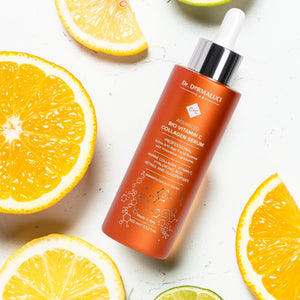
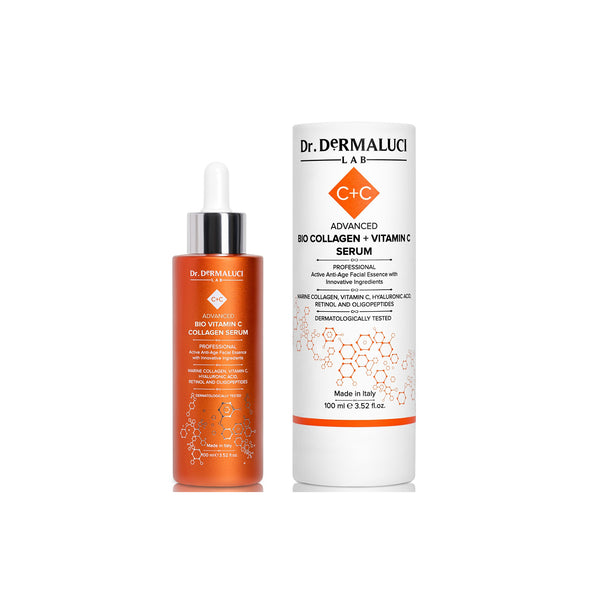
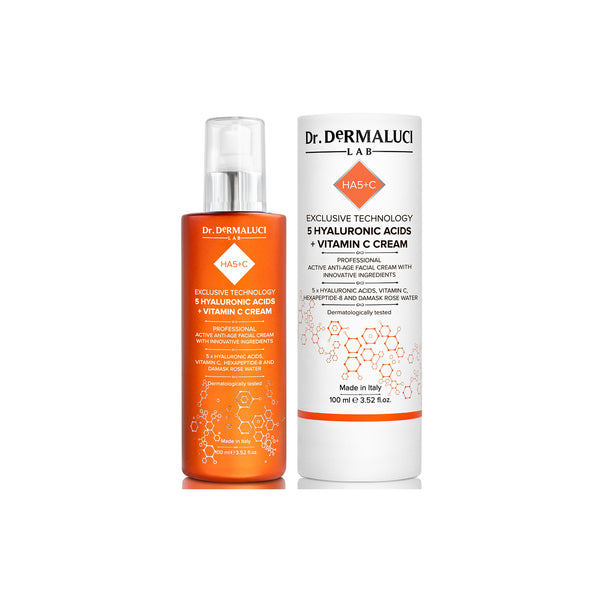
The single highest-leverage intervention is a daily vitamin C serum applied in the morning. Vitamin C neutralizes free radicals generated by both blue light and NIR exposure throughout the day. Pair it with vitamin E (tocopherol) and ferulic acid where possible — the combination is significantly more stable and effective than vitamin C alone. Our vitamin C guide covers why the stable salt forms (Sodium Ascorbyl Phosphate) work for sensitive skin without irritation. For evening, a low-strength retinol further supports collagen recovery from daytime light damage.
Step 2: Barrier-Supporting Moisture
A strong skin barrier contains its own antioxidant defenses (ceramides, fatty acids, natural moisturizing factors). When the barrier is compromised by over-cleansing, harsh actives, or chronic dehydration, light damage compounds faster. Multi-molecular hyaluronic acid and barrier-supporting niacinamide help maintain the resilience your skin needs to absorb and recover from daily light load.
Step 3: Broad-Spectrum SPF, Including Visible Light Where Possible
Standard SPF filters UV but not visible light. Mineral SPF formulas (zinc oxide, titanium dioxide) and tinted SPFs containing iron oxides offer partial protection against visible light, including blue light. Use broad-spectrum daily — yes, even when you are mostly indoors near a window or a screen.
Step 4: Reduce Exposure Where Practical
Activate blue-light filters on your devices in the evening. Dim screen brightness when you can. Position yourself so direct sunlight or strong artificial light is not constantly hitting one side of your face (this is why some people develop asymmetric pigmentation patterns). Small adjustments compound.
What This Means in Practice
You do not need a separate "blue light skincare line." You need a routine that includes strong daily antioxidants, barrier support and SPF — all of which are foundational anyway. The bio-pixel framing is useful because it reminds us that aging is not just about UV anymore, and the protective baseline should account for the modern indoor life most people live.
Checklist: Defending Skin From Bio-Pixels
- ✓ Daily morning vitamin C serum (Sodium Ascorbyl Phosphate or pure ascorbic acid)
- ✓ Vitamin E and ferulic acid pairing where possible (stability and synergy)
- ✓ Niacinamide and multi-molecular hyaluronic acid for barrier resilience
- ✓ Broad-spectrum SPF every morning, including indoor days near screens or windows
- ✓ Mineral or tinted SPF for partial visible-light protection
- ✓ Blue-light filter on devices in the evening
- ✓ Screen brightness reduced when possible; mindful positioning relative to direct light
Frequently Asked Questions
Is blue light damage proven, or is this just marketing?
The damage mechanism is proven in peer-reviewed studies — HEV blue light demonstrably increases oxidative markers and pigmentation in controlled exposure trials. The clinical relevance for typical screen use is debated. The conservative answer: real, but slower and milder than UV. Worth protecting against because the cost (a daily antioxidant plus broad-spectrum SPF) is the same routine you should have anyway.
Will SPF alone protect me from blue light?
Standard chemical SPF filters mostly UV. Mineral SPF (zinc oxide, titanium dioxide) and tinted SPF with iron oxides give partial visible-light protection by reflecting it. For comprehensive light defense, the combination of antioxidant serum plus mineral or tinted SPF is the most effective.
Can light also help skin?
Yes. Controlled red light therapy (around 630 to 660 nm) stimulates collagen and is used dermatologically for wound healing and aging support. The difference between damaging light and therapeutic light is wavelength, dose and duration. Uncontrolled exposure to blue light and NIR is the problem; controlled red light in clinical settings is a benefit.
Do I need a "blue light skincare line"?
No. A standard antioxidant routine (vitamin C serum, barrier-supporting cream, broad-spectrum SPF) covers blue light defense as a byproduct. Specialized "blue light protection" products are usually marketing repackaging of the same antioxidant ingredients.
Does NIR from infrared heaters or saunas damage skin?
Chronic high-exposure to NIR (long sauna sessions, sitting close to infrared heaters daily) has been linked to a specific aging pattern in dermatology literature. Occasional use is not a concern. If sauna use is frequent, apply antioxidant skincare before and barrier moisturizer after.
Read Next
- Skin Inflammation: The Root Cause of Aging, Sensitivity and Skin Damage — for the full antioxidant-and-inflammation perspective on aging skin.
- The Complete Vitamin C Guide — how stable salt forms protect against oxidative damage without irritating sensitive skin.
- Why Skin Barrier Repair Is the Foundation of Every Skincare Routine — barrier resilience is what lets your skin recover from daily light load.
- The Niacinamide Guide — the barrier-supporting active that compounds well with vitamin C.


