
 Verified by shop


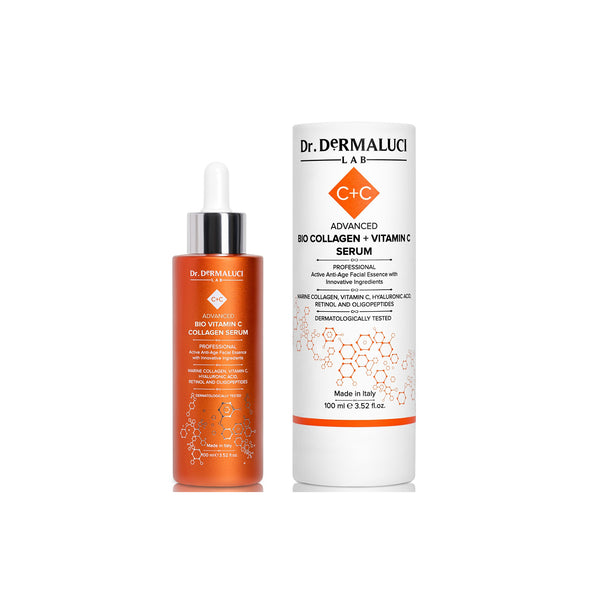
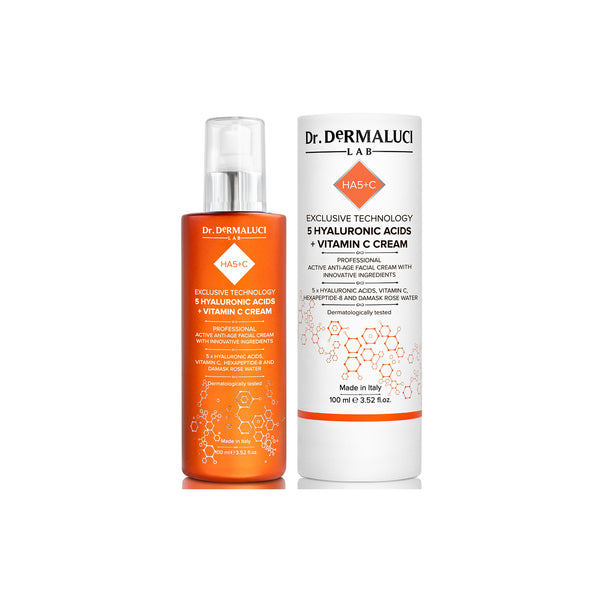
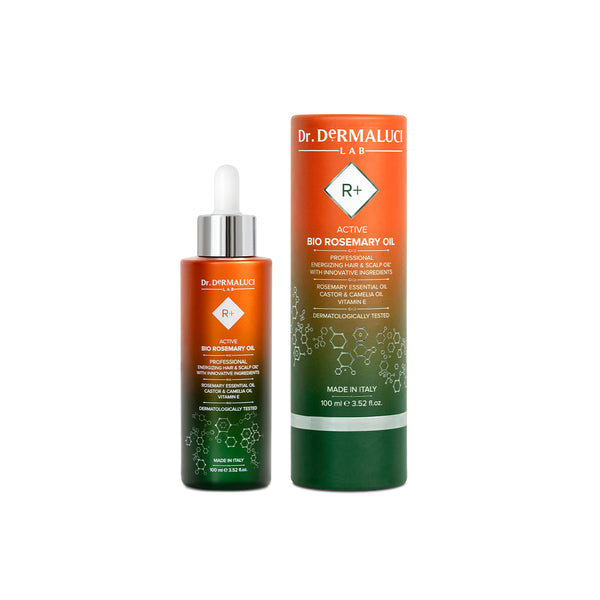
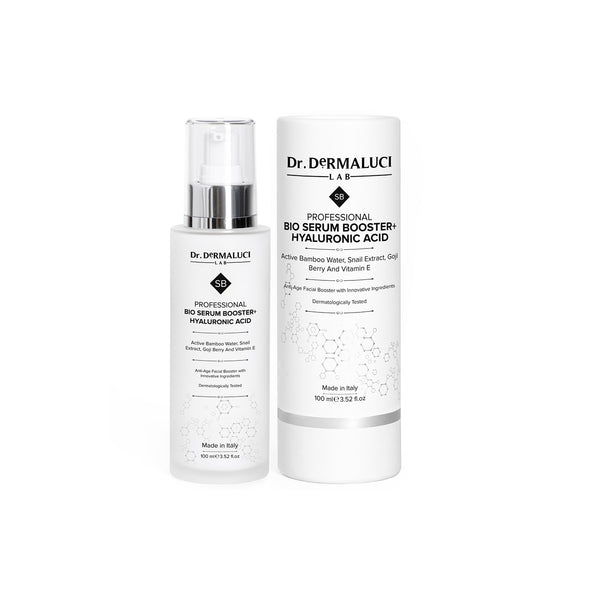
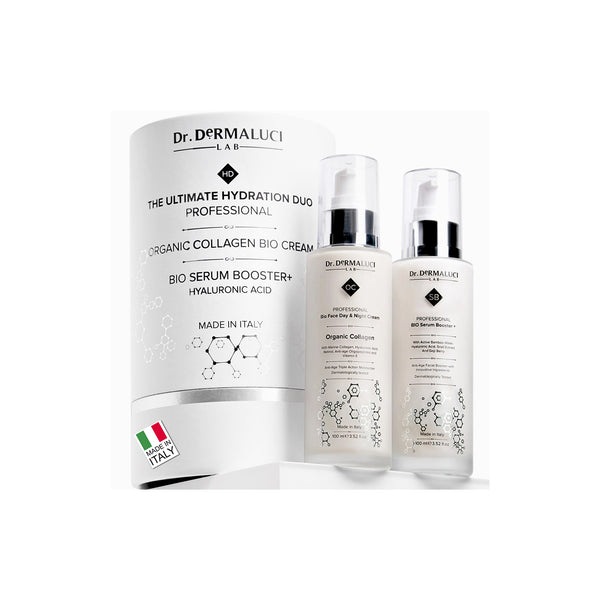


What Does Vitamin C Serum Do for Skin?

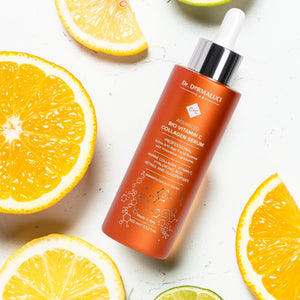
Vitamin C serum is widely used in skincare because it helps brighten the complexion, support collagen production, and protect the skin from environmental stress. As a powerful antioxidant, vitamin C helps neutralize free radicals generated by pollution, UV exposure, and daily environmental factors.
Because of these benefits, vitamin C serums are often included in morning skincare routines designed to support healthier-looking and more radiant skin.
This article is part of our Complete Guide to Vitamin C for Skin, where we explain how antioxidant ingredients support brighter and healthier-looking skin.
Why Vitamin C Is Popular in Skincare
Vitamin C is one of the most researched antioxidant ingredients used in cosmetic dermatology.
Its popularity comes from its ability to support several visible aspects of skin health at the same time.
Regular use of vitamin C serum may help improve skin brightness, support collagen production, and protect the skin from environmental stress.
Key Benefits of Vitamin C Serum
Vitamin C serums are commonly used to support several skin concerns.
Brighter-Looking Skin
Vitamin C helps promote a more radiant-looking complexion and may help improve the appearance of dull skin.
Support for Collagen Production
Vitamin C plays a role in the processes involved in collagen synthesis, which helps maintain skin firmness and elasticity.
Improvement in Uneven Skin Tone
Many skincare routines use vitamin C to help reduce the appearance of uneven pigmentation and dark spots.
Antioxidant Protection
Vitamin C helps neutralize free radicals caused by pollution and UV exposure, supporting healthier-looking skin.
When to Use Vitamin C Serum
Vitamin C is most often applied in the morning.
Using vitamin C during the day helps support antioxidant protection while the skin is exposed to environmental stress.
A typical routine may include:
- Cleanser
- Vitamin C serum
- Moisturiser
- Broad-spectrum SPF
Using sunscreen alongside vitamin C is important because antioxidants and UV protection work together to help protect the skin.
You can learn more about this routine in How to Use Vitamin C in a Morning Skincare Routine.
Is Vitamin C Serum Suitable for Sensitive Skin?
Vitamin C can be suitable for sensitive skin when used in appropriate concentrations and combined with hydrating ingredients.
Some formulations use more stable or gentler forms of vitamin C designed to improve skin tolerance.
Introducing vitamin C gradually can help reduce the risk of irritation.
Frequently Asked Questions (FAQ)
What does vitamin C serum do for the skin?
Vitamin C serum helps brighten the complexion, support collagen production, and protect the skin from environmental stress through its antioxidant properties.
Can vitamin C serum be used every day?
Yes. Many skincare routines include vitamin C serum daily, especially in morning routines.
How long does it take to see results?
Visible improvements in brightness and overall skin appearance may appear after several weeks of consistent use.
Can vitamin C serum be used with other ingredients?
Yes. Vitamin C is commonly used alongside ingredients such as peptides, niacinamide, and hyaluronic acid in balanced skincare routines.
Vitamin C Serum Checklist
✔ Apply vitamin C on clean skin
✔ Use it consistently for best results
✔ Combine with sunscreen during the day
✔ Introduce gradually if skin is sensitive
✔ Support hydration with moisturiser
Continue Reading in This Series
To better understand how vitamin C works in skincare, read:
→ How to Use Vitamin C in a Morning Skincare Routine


