


 Verified by shop




Circadian Skincare: The Science of Day-Night Skin Rhythms and Why Timing Matters

Your Skin Has a Clock — and It Matters
Your skin follows a natural biological rhythm, known as the circadian rhythm, which regulates how skin behaves throughout the day and night.
Just like your sleep cycle, your skin shifts between defense mode during the day and repair mode at night.
During the day, your skin focuses on:
- Protecting against UV exposure
- Fighting pollution and oxidative stress
- Maintaining hydration and barrier function
At night, skin switches to:
- Cellular repair
- Collagen production
- DNA repair
- Increased cell turnover
Ignoring these natural rhythms, such as using strong exfoliants in the morning or skipping nighttime repair products, can accelerate skin aging and increase irritation.
This concept connects closely with The Exposome and Your Skin: Understanding How Modern Life Accelerates Aging, where daily environmental stress increases the need for smart protection and repair.
This article is part of the Complete Guide to Skin Aging: Causes, Prevention and Science-Backed Anti-Aging, where we explore how skin biology, ingredients, and lifestyle influence aging.
The Science of Day and Night Skin Biology
Daytime: Defense Mode
During daylight hours, skin experiences the highest environmental exposure.
Daytime skin characteristics:
- Increased antioxidant enzyme activity
- Higher sebum production for barrier protection
- Increased sensitivity to UV damage
- Higher exposure to pollution and oxidative stress
Morning skincare should focus on protection and hydration.
Recommended daytime ingredients:
- Vitamin C
- Niacinamide
- Hyaluronic acid
- Antioxidants
- SPF protection
These ingredients help neutralize environmental damage and maintain skin resilience.
This protection strategy also supports long-term anti-aging goals discussed in How Stress Accelerates Skin Aging, where oxidative stress contributes to premature wrinkles.
Nighttime: Repair Mode
At night, skin shifts into recovery and regeneration.
Nighttime skin characteristics:
- Increased blood flow
- Enhanced fibroblast activity
- Peak collagen synthesis
- Increased cell turnover
- Improved ingredient absorption
Nighttime skincare should focus on repair and regeneration.
Recommended nighttime ingredients:
- Retinol
- Peptides
- Hyaluronic acid
- Ceramides
- Nourishing botanicals
These ingredients support skin repair and collagen production.
This repair-focused approach also aligns with Peptides Unveiled: The Building Blocks of Youthful Skin, where collagen signaling supports anti-aging.
Why Timing Improves Anti-Aging Results
Using skincare at the correct time improves:
- Ingredient absorption
- Skin tolerance
- Repair efficiency
- Hydration retention
- Collagen support
Circadian skincare is not about using more products — it’s about using the right products at the right time.
This smart timing also reduces irritation from strong actives like retinol and exfoliants.
The Circadian Anti-Aging Routine
Morning Defense Routine
- Gentle cleanser to remove overnight buildup
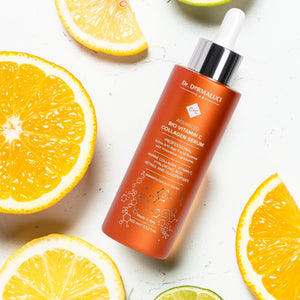
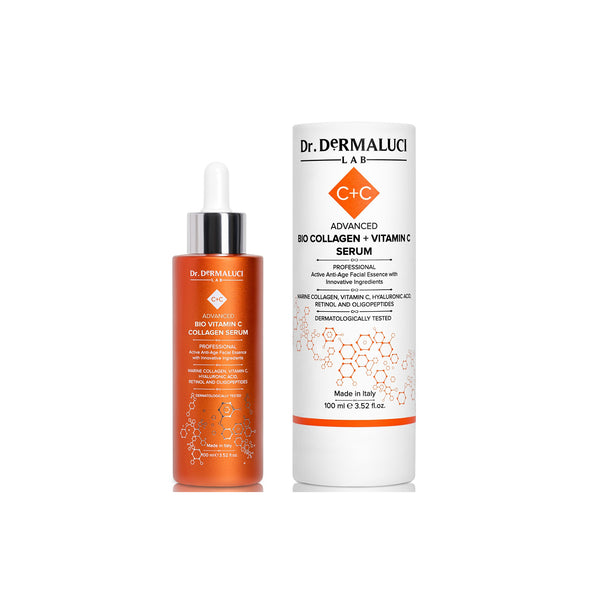
- Vitamin C serum for antioxidant protection
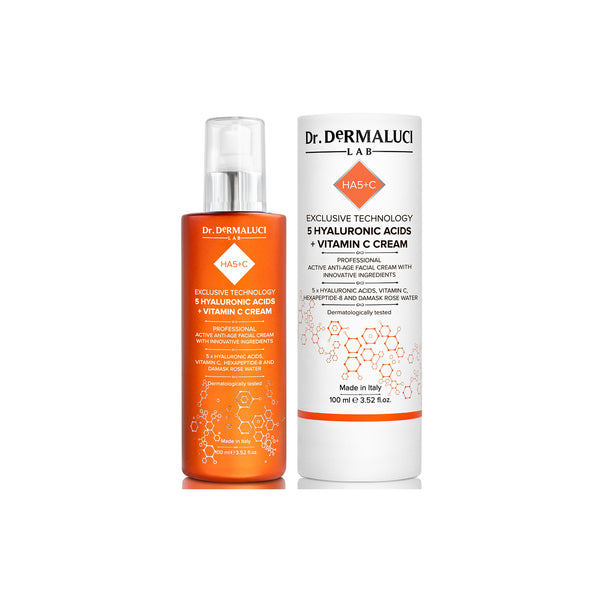
- Hyaluronic acid for hydration
- Moisturizer to support barrier
- SPF protection to prevent photoaging
Morning skincare focuses on defense and resilience.
Night Repair Routine
- Gentle cleansing to remove pollution
- Retinol or peptide serum (optional depending on tolerance)
- Hydrating serum with hyaluronic acid
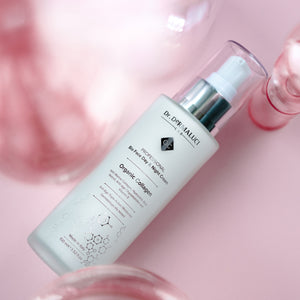
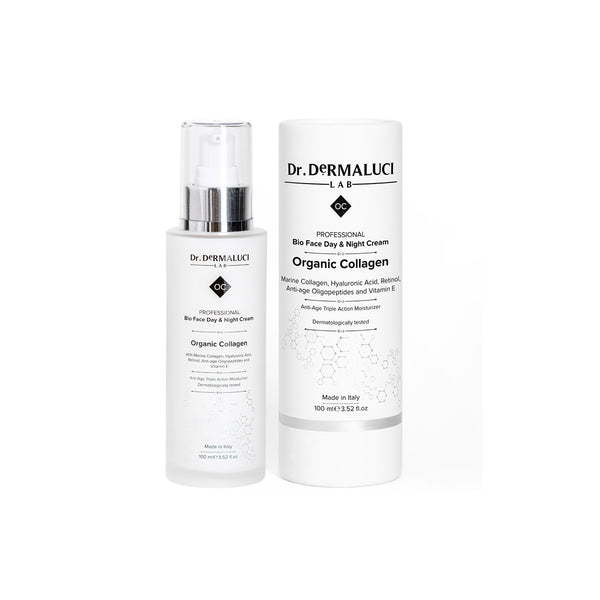
- Nourishing cream for overnight repair
Night skincare focuses on repair and regeneration.
Circadian Rhythm and Long-Term Skin Aging
When circadian rhythms are supported, skin benefits include:
- Improved hydration
- Stronger barrier function
- Reduced inflammation
- Better collagen support
- Slower visible aging
Disrupted circadian rhythms, including poor sleep and irregular routines, may accelerate:
- Wrinkles
- Dullness
- Sensitivity
- Loss of elasticity
Circadian skincare helps restore balance and long-term skin resilience.
Frequently Asked Questions (FAQ)
Why should I separate day and night skincare?
Skin performs protective functions during the day and repair functions at night, so ingredients work better when used accordingly.
Can I use retinol during the day?
Retinol increases sensitivity to sunlight, so it is typically recommended for nighttime use.
Does vitamin C work better in the morning?
Yes. Vitamin C protects against oxidative stress and supports daytime defense.
What if I work night shifts?
Your skin follows your internal sleep cycle. Adjust skincare timing based on your personal schedule.
Does circadian skincare really improve anti-aging?
Yes. Matching skincare with skin biology improves repair, reduces irritation, and enhances results.
Checklist
- Skin follows circadian rhythms
- Daytime skincare focuses on protection
- Nighttime skincare focuses on repair
- Timing improves ingredient effectiveness
- Circadian skincare supports long-term anti-aging
This Article Is Part of the Anti-Aging Science Pillar
Related articles in this pillar include: Embracing Nature’s Resilience: Adaptogenic Ingredients in Skincare
Read more


