
 Verified by shop




Why Your Skin Changes with the Weather and How to Adapt Your Routine
🧴 Why Your Skin Changes with the Weather (and What to Do About It)
Does your skin feel dry one month, oily the next, sensitive during winter, or shinier in summer?
You’re not imagining it.
Climate directly affects the skin barrier, hydration levels, sebum production, and sensitivity. At Dr. Dermaluci Lab, we see weather-related skin fluctuations as completely normal — and 100% manageable when you understand the science behind them.
Let’s break it down.
🌡️ How Weather Affects Your Skin
❄️ Cold Weather (Fall/Winter)
- Lower humidity = less moisture in the air
- Skin loses water more quickly
- Barrier becomes fragile
- Dryness, flaking, dullness, and tightness increase
🔥 Heat & Sun Exposure (Spring/Summer)
- Higher temperatures stimulate more sebum
- Pores appear larger
- Sweat mixes with oils → congestion
- More exposure to UV = higher risk of dark spots
Dermalucilab explains the importance of daily sun protection in:
👉 Beyond Summer: The Critical Need for Year-Round Sun Protection
🌬️ Windy or Changing Climates
Wind and sudden shifts affect barrier lipids → leading to redness, irritation, and inflammation.
🌫️ Humid Climates
Skin retains sebum and sweat more easily → shinier T-zone, occasional breakouts.
🌿 The Role of the Skin Barrier in Seasonal Changes
The skin barrier is your “shield.”
When humidity drops or temperatures fluctuate, the barrier struggles to retain water causing sensitivity.
Ingredients that strengthen the barrier (niacinamide, peptides, ceramides, multi-weight HA) make seasonal transitions much smoother.
For example, Dermalucilab details the multi-functional efficacy of peptides in:
👉 Peptides Unveiled: The Building Blocks of Youthful Skin
🍃 Adaptogens: Your Allies When Skin Is “Stressed” by Weather
Environmental stress = biological stress.
Adaptogenic skincare helps the skin stay balanced when climate, pollution, or sun exposure overwhelm it.
Dermalucilab lo explica en:
👉 Embracing Nature’s Resilience: Adaptogenic Ingredients in Skincare
🧪 How to Adapt Your Routine Based on Weather
❄️ Cold / Dry Months
✔ Switch to a richer moisturiser
✔ Add multi-molecular hyaluronic acid
✔ Use gentle cleansing
✔ Reduce exfoliation if sensitive
Recommended Dermalucilab actives:
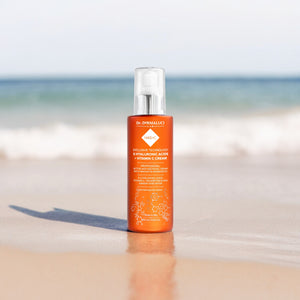
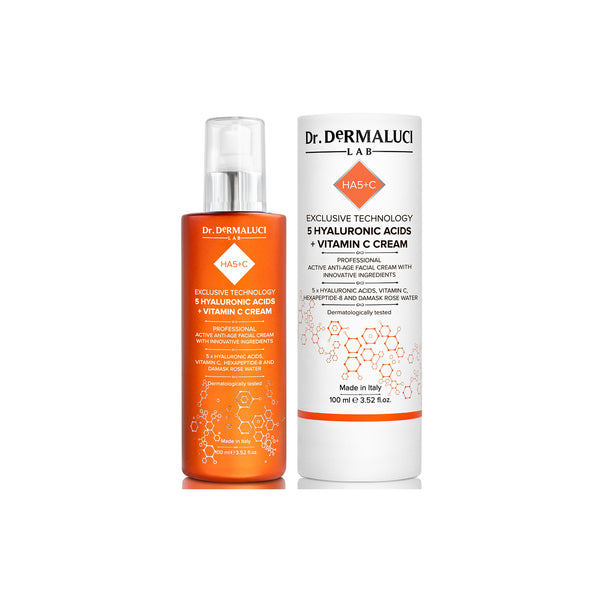
- 5x Hyaluronic Acids + Vitamin C Serum
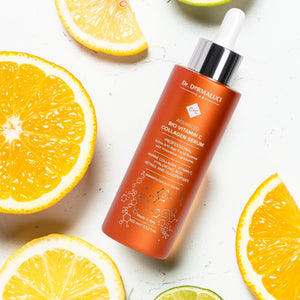
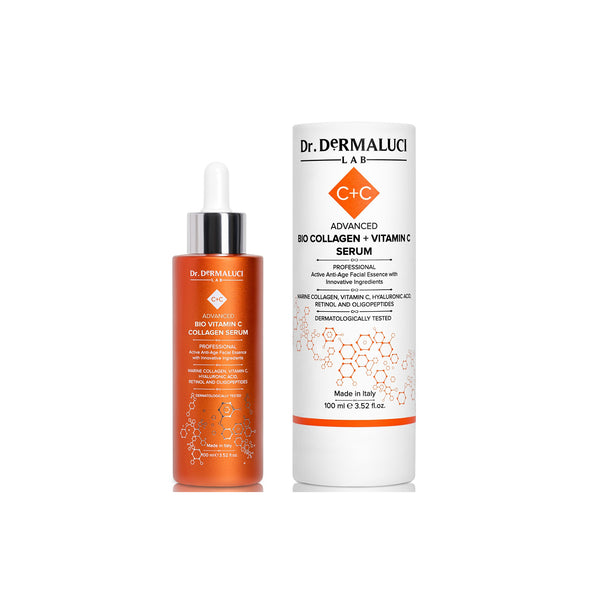
- Vitamin C + Collagen Serum (firmness + winter glow)
🔥 Hot / Humid Months
✔ Choose lightweight textures
✔ Focus on sebum-balancing actives
✔ Increase antioxidant protection
✔ Use non-comedogenic hydrators
Recommended Dermalucilab actives:
- Niacinamide + Zinc PCA Serum
- Vitamin C + Collagen Serum (antioxidant support)
🌤️ Season Transitions
✔ Introduce adaptogens
✔ Balance between hydration + oil control
✔ Support barrier function
📝 Seasonal Skin Adaptation Checklist
- I adjust textures based on humidity
- I use antioxidant serums in sunny seasons
- I strengthen my barrier in winter
- I avoid over-exfoliating in cold months
- I use SPF daily, even in winter
❓FAQs
1. Why does my skin get oilier in summer?
Heat increases sebum production and pore dilation.
2. Why does winter make my skin flaky?
Dry air strips moisture, weakening the barrier.
3. Should I change all my products?
No — keep your core routine, only adjust textures or add one targeted serum.
4. Should SPF be used in winter?
Yes. UV rays still cause damage — explained in Dermalucilab’s SPF article.
5. Does climate affect acne?
Heat + humidity increase breakouts; cold weather increases sensitivity.


